How Shea Beck grew an e-commerce brand to $1M in revenue
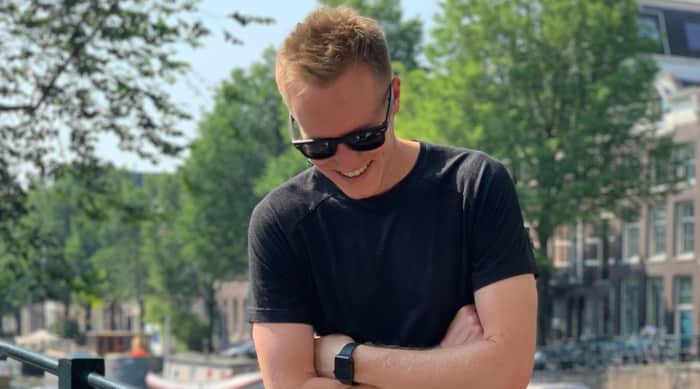
Like all founders, Shea Beck took his fair share of risks in building a business.
To grow his foldable sunglasses brand, Foldies, he navigated challenges like prototyping, cash flow, inventory, and digital marketing.
In the process, he quit his job, invested $100,000 of his own money, and took out a $20,000 loan from his wife.
It was a significant personal risk that ultimately paid off. Over 2 years, he earned more than $1 million in revenue and sold more than 21,000 shades.
Beck, who started the company as a side hustle while working full time, sold Foldies in a mid-6-figure deal in 2021. He's now working on Somewhere Sunny, an eco-friendly sun wear brand, and Rain Goat, a rain gear company.
I spoke with Beck about his journey, what he learned, and his advice for e-commerce founders.
Why’d you become an entrepreneur?
I think my number one decision was to be in control of my own destiny. I’ve been on both ends of corporate lay-offs where x% of a company gets axe. I absolutely cannot stomach that feeling when the control is out of almost everyone’s hands.
Why’d you get into e-commerce?
This is all I’ve really known. I’ve seen flashes of success with short-term companies I’ve built such as a t-shirt business, dropshipping sites, and an affiliate business — those fizzled out due to boredom.
E-commerce can be risky. How’d you navigate that?
I was confident in my ability to find another job if I really needed to. I always had the confidence that I could make the money back from my investment whether it meant just breaking even by discounting the product through off-price sites.
What’s a mistake you made when building Foldies?
Because I was bootstrapping and only working off of profits beyond the initial investment, my biggest challenge was running out of money to grow. I wasn’t really ever to go full-steam on Amazon because I would run out of product, then have to reorder inventory… but that inventory took cash.
Same thing for the .com side, if I had an ad that went viral, it would only last for a limited time because I would run out of inventory. I would use a credit card for all advertising but inventory required cash payment.
What’d you learn from that challenge?
It’s not necessarily a good idea to bootstrap a physical goods company. I like that I had 100% control but that also meant I was 100% on the hook for everything financially.
I personally would try and raise a runway one year for inventory, and continue to responsibly use credit cards for advertising, and whenever possible.
What did it feel like to make $1M in revenue?
This was fantastic and it was a goal. It was my first real feeling of validation. It’s really hard to do.
My advice is to celebrate that once you hit it — then cherish that celebration and set a new goal to go after. If you don’t set goals to personally achieve you’ll start to feel the monotony and it will seem like you’re just working.
Any advice for founders taking on risks?
The ability to take a risk on buying inventory was made possible through other investments I had, such as a 401K and a property I owned for several years.
I didn’t come from money so I did start my entrepreneurship journey later than most people read about. So being conservative on your journey is the best advice I can give. Once you find traction then you can feel a whole lot better when you start putting gas on the fire.
As a solo founder, how’d you manage time?
I kept weekly and daily task lists – this still needs major attention. I would prioritize things by: What needs to be done to keep the business running? What can increase revenue? What can increase eyeballs? Everything else was organized by what I wanted to work on.
Any advice for founders on how to spend their time?
Seriously consider what actually matters. For example, does creating a new homepage banner really provide more value to your life than going to the driving range?
Yes, there are certain things you have to do, but if you have the ability to get off of your computer and clear your mind, please do it. Again, I still need to do a better job at this. But ultimately, I think that it does more good than harm to reset for an afternoon.
On the importance of taking personal time
I wish I had taken more free time for myself. For example, on vacations, I would miss out on certain things because I felt that I needed to respond to people or monitor campaigns when I should’ve been out exploring. In the end, these missed life opportunities were not worth the 1 or 2% more sales I actually gained. I’m still working on this.
Did you encounter imposter syndrome?
Oh god yes! Everyday. I am not as bad as I once was, this actually took some sessions with people close to me to realize that entrepreneurship is a badge of pride and not something that is “my only option.”
There are stats out there about how hard it is to succeed so once you start getting some wins under your belt you are already doing better than the majority of entrepreneurs. This is where setting and celebrating goals is very important.

awesome story, taking your personal time and taking a rest and not missing out on important moments and memories in one life is amazing but its something you work on as you move on through life and arrange your priorities.
Great story! Nice to hear that Shea values his personal time too. We often can let this fall by the wayside when we are so focused on growing a business or organization.
I've never operated an e-commerce brand before but this helped renew my interest. Hearing the cash flow challenges makes sense and I'll need to think more about that