How Technology Is Making Waste Management More Efficient for Australian Businesses
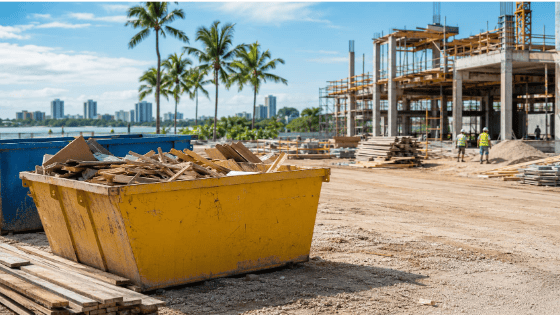
Waste management is an everyday responsibility for businesses across Australia, but it can quickly become complicated when waste volumes increase. Construction projects, office renovations, retail operations and commercial clean-ups can all produce different types of waste that need to be handled efficiently.
Technology is making this process easier. From digital booking systems and scheduling tools to data tracking and better planning, businesses can now take a more organised approach to waste management. These tools can help companies reduce delays, control costs and keep their workplaces cleaner.
Smarter Waste Planning Starts With Better Data
One of the simplest ways technology can improve waste management is by helping businesses understand their waste patterns. Instead of estimating requirements based only on previous experience, companies can record the amount and type of waste produced during different projects.
This information can help identify recurring problems. For example, a business may discover that certain projects consistently produce more packaging waste, while construction work may generate large amounts of timber, concrete, soil or general building materials.
Having better information makes it easier to plan future projects. Businesses can choose suitable containers, estimate collection requirements and avoid ordering services that do not match their actual needs.
Over time, these records can also help managers identify opportunities to reduce waste at the source.
Technology Can Improve Waste Collection
Coordinating waste collection can be challenging when a project has a tight schedule. A full bin at the wrong time can create unnecessary delays, particularly on busy construction or commercial sites.
Digital booking and communication tools make it easier to organise deliveries, collections and changes to a waste service. Businesses can arrange requirements in advance and communicate adjustments when project timelines change.
Better scheduling can also reduce unnecessary collections. If a business understands how quickly its waste containers normally fill, it can arrange collection at a more appropriate time instead of relying on guesswork.
For businesses in busy areas such as Darwin, having a reliable waste management service alongside good planning can make day-to-day operations considerably easier. Local providers such as NT Waste Away offer Darwin waste management solutions for different residential, commercial and project requirements.
Construction and Commercial Sites Benefit From Better Waste Management
Construction and renovation projects are particularly suited to a more technology-driven approach to waste management. These projects can generate significant quantities of waste in a relatively short period, while site conditions and timelines can change frequently.
Planning waste requirements before work begins can help project managers determine what types of containers may be required and where they should be positioned. This can reduce unnecessary movement around the site and help workers maintain a more organised work area.
Technology can support this planning by making it easier to record project requirements, communicate with waste providers and track collection schedules.
For a commercial renovation in Palmerston, for example, planning the required container capacity before demolition or construction begins can prevent waste from accumulating around the site. Businesses and contractors can consider local skip bin hire in Palmerston when planning waste removal for suitable projects.
Reducing Waste Through Better Monitoring
Technology can also help businesses look beyond simply removing waste. Monitoring waste volumes can reveal where materials are being unnecessarily discarded.
A company may notice that large quantities of packaging are thrown away each week or that reusable materials are regularly mixed with general waste. Once these patterns become visible, managers can consider practical changes to purchasing, storage, recycling and workplace processes.
Digital records can also provide a useful way to measure progress. A business that introduces a new waste-reduction process can compare its waste figures over several months to determine whether the change is making a meaningful difference.
This approach turns waste management into an ongoing business improvement process rather than something that only receives attention when a bin becomes full.
What Australian Businesses Can Do Today
Businesses do not need expensive technology systems to start improving their waste management. In many cases, simple planning and digital tools can make a noticeable difference.
The first step is to understand the type and volume of waste a project is likely to produce. From there, businesses can select an appropriate container and plan collections around the expected project schedule.
It is also useful to separate recyclable materials from general waste where practical and permitted. Keeping waste streams organised can make handling easier and may reduce the amount of material sent for disposal.
Businesses should also review their waste requirements when project conditions change. A renovation that takes longer than expected or a construction project that expands may require additional collections or different container capacity.
Working with a dependable local waste provider can make these adjustments easier, particularly when businesses need flexible delivery and collection arrangements.
A More Practical Future for Business Waste
Technology is changing waste management by making it easier for businesses to plan, monitor and coordinate their waste requirements. The biggest improvements do not necessarily come from complicated systems. Better information, digital scheduling and consistent monitoring can already make a meaningful difference.
For Australian businesses, combining these tools with sensible waste planning can lead to cleaner work areas, fewer disruptions and more efficient use of resources.
As technology continues to develop, businesses will have more opportunities to understand where their waste comes from and how it can be managed more effectively. The result is a more organised approach that benefits both day-to-day operations and broader waste-reduction goals.

