How Technology Is Transforming Every Stage of the Real Estate Journey
Buying or selling a property should feel simple, but the journey often becomes confusing. Buyers switch between listing websites, phone calls, emails, paperwork, and office visits before making a decision. Sellers and agents also face delays caused by scattered information and slow communication.
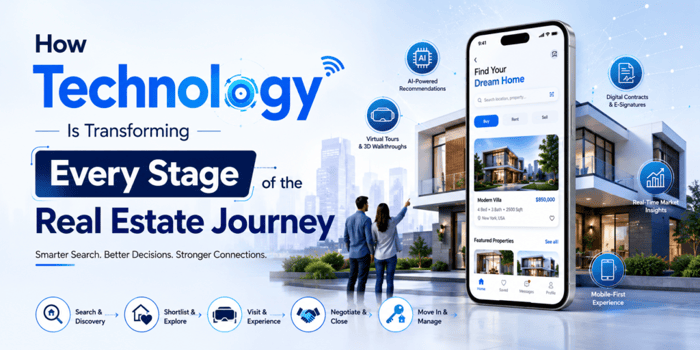
Technology is changing this experience from the very first property search to the final closing. Features like smart search, virtual tours, digital document sharing, and real-time updates help people move through each stage with greater confidence. Instead of dealing with disconnected processes, users now expect a single, seamless experience.
This shift is more than a convenience. It has become a key factor in winning customer trust and speeding up transactions. In this article, we'll explore how technology improves every step of the real estate journey and creates a better experience for buyers, sellers, and real estate businesses alike.
Property Search Has Gone Digital: The First Step in a Better Buying Experience
The property search is the first real interaction buyers have with a real estate business. That first impression often decides whether they continue exploring or leave for another platform. A smooth digital experience keeps users engaged from the very beginning.
Here are the technologies shaping modern property discovery:
Smart Search and Advanced Filters
Buyers no longer want to scroll through hundreds of listings. They expect search results that match their budget, preferred location, property type, and essential amenities. Smart filters reduce unnecessary options and help users discover relevant properties much faster.
Interactive Maps and Virtual Tours
Location matters as much as the property itself. Interactive maps let buyers explore nearby schools, hospitals, public transport, and shopping areas before planning a visit. Virtual tours add even more value by allowing users to view room layouts and property details from anywhere.
Personalized Property Recommendations
Modern platforms learn from user behavior and browsing history. They recommend similar properties based on previous searches and interests. This personalized approach keeps buyers engaged while helping them find better options without starting over.
A Better Experience Benefits Everyone
Creating these seamless experiences requires more than attractive design. It demands the right technology strategy and user-focused development. Working with a real estate app development company helps businesses build platforms that deliver faster searches, personalized recommendations, and a smoother buying journey.
When buyers find relevant properties with less effort, they gain confidence in the platform. That trust encourages them to take the next step, making inquiries and moving closer to a successful purchase.
Technology That Keeps Buyers Engaged from Inquiry to Decision
Finding the right property is only the beginning of the buying journey. The next stage decides whether buyers stay engaged or lose interest. Delayed responses and poor communication often create frustration and slow down decisions.
Businesses that build a real estate app with user-focused features can keep buyers informed and connected throughout this important phase.
Instant Communication Builds Trust
Buyers often have questions about pricing, availability, or property details. In-app chat, quick inquiry forms, and automated responses reduce waiting time. Faster communication shows buyers that their interest matters and encourages them to continue the conversation.
Easy Appointment Scheduling
Booking a property visit should not involve several phone calls or email exchanges. Integrated scheduling allows buyers to choose available time slots in minutes. Automatic reminders also reduce missed appointments and improve the overall experience for both buyers and agents.
Secure Document Sharing
During the decision stage, buyers need access to important documents. Floor plans, brochures, legal papers, and payment details should be available in one secure place. Easy access saves time and removes unnecessary back-and-forth communication.
Personalized Updates and Notifications
Real-time notifications keep buyers informed about price changes, new listings, or upcoming property visits. These timely updates help buyers act quickly when an attractive opportunity appears. They also encourage users to return to the platform regularly.
A Connected Journey Leads to Better Decisions
When every interaction feels simple and organized, buyers can focus on choosing the right property instead of managing scattered information. A connected digital experience strengthens trust, shortens decision-making, and creates a smoother path from the first inquiry to the final purchase.
Simplifying the Closing Process Through Digital Innovation
Reaching the closing stage should feel exciting, not stressful. Yet many property deals still face delays because of paperwork, manual approvals, and poor coordination. Digital tools help remove these barriers and make the final steps more efficient.
Digital Documents and E-Signatures
Managing contracts through paper documents takes time and increases the risk of errors. Digital document management keeps everything organized in one place. E-signatures allow buyers, sellers, and agents to sign important documents securely without meeting in person.
Real-Time Transaction Tracking
Uncertainty often creates unnecessary stress during closing. Real-time tracking lets buyers monitor every important milestone. They can see document approvals, payment updates, and transaction progress without repeatedly contacting the agent.
Secure Payments and Identity Verification
Digital payment solutions make transactions faster and more reliable. Secure identity verification also protects buyers and sellers from fraud. These features build confidence while ensuring every step follows the required security standards.
Better Coordination Between Everyone
Closing a property involves buyers, sellers, agents, lenders, and legal teams. A connected digital platform keeps everyone on the same page. Shared updates reduce communication gaps and help each task move forward without unnecessary delays.
A Smooth Finish Creates a Lasting Impression
The closing experience shapes how buyers remember the entire journey. A fast and transparent process leaves customers satisfied and more likely to recommend the business to others. By replacing manual work with connected digital solutions, real estate businesses can complete transactions more efficiently. This creates the seamless experience that today's buyers expect from their first property search to the final handover.
Conclusion
Technology has changed every stage of the real estate journey, from property discovery to the final closing. Buyers now expect faster searches, clear communication, secure transactions, and a smooth overall experience. Businesses that meet these expectations are more likely to earn trust and build lasting customer relationships.
Creating a connected digital journey is no longer an added advantage. It has become an important part of staying competitive in the real estate market. Every feature, from smart search to digital document management, plays a role in making the buying process simpler and more efficient.
As customer expectations continue to grow, investing in the right digital solutions will help real estate businesses deliver better experiences, close deals faster, and create long-term value for both buyers and sellers.
