How the Right Shipping Tape and Pallet Wrappers Reduce Transit Damage
Transit damage is among the costliest and most preventable issues in logistics. Even tiny packaging failures, like broken cartons or moved pallets, may result in product loss, customer complaints, and expensive returns. Selecting appropriate shipping tape and pallet wrapping is not only about closing boxes or securing loads. It is important to safeguard your reputation and bottom line throughout the entire supply chain.
Companies that invest in quality packaging materials experience fewer claims, fewer delivery hitches, and operational efficiency.
The Process of Transit Damage Occurrence
Motion, pressure, vibration, and exposure to the environment generally cause shipment damage. When the packaging materials on the outside fail to withstand real-world conditions of transit, even heavily packed goods will collapse.
When subjected to stress, weak tape may split, and the pallets wrapped loosely may shift or collapse when forklifts or trucks slam on the brakes. These risks are compounded at long distances, particularly when a business is transporting goods within or across the Greater Toronto Area.
Shipping Tape and Load Security
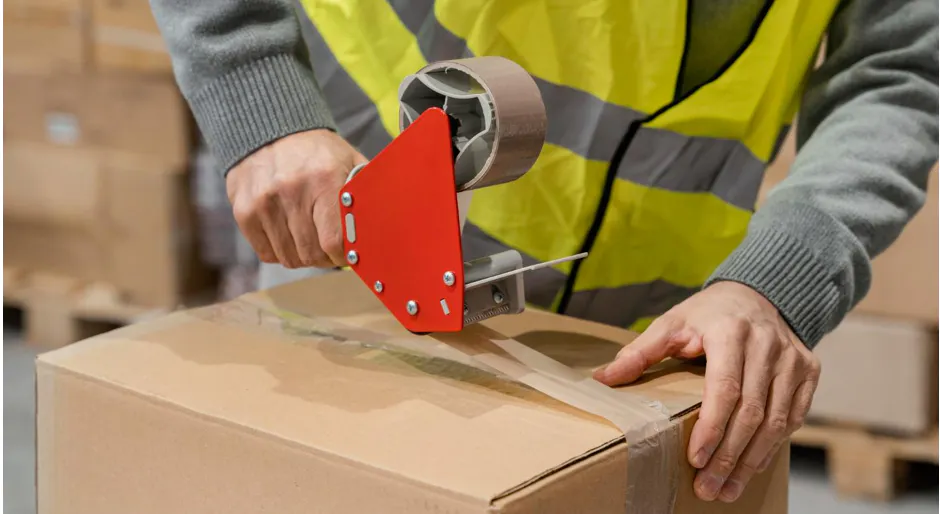
Shipping tape serves to provide the initial defence to cartons. Its task is to ensure that packages remain closed regardless of pressure changes, loading weight, and constant motion.
Selecting the Proper Strength of Adhesive
Not every tape is equal. All the adhesives, acrylic, solvent, and hot melt behave differently based on temperature, surface, and storage conditions. Poor-quality tape can initially stick but break in transit when cold warehouses or moist conditions are encountered.
High-performance shipping tape ensures that adhesion continues throughout shipping and warehouse to location to minimise the chances of the carton being opened during transit.
Avoiding Carton Failure under Pressure
The boxes can be used to stack other cartons on top of them. In case the tape tears along the seams, the whole box structure becomes weak. The use of strong, correctly positioned tape boosts the integrity of boxes and assists in the even distribution of pressure, thus minimizing crushing and tearing.
As was pointed out in the packaging research featured by Lantech, when appropriate containment materials are employed, secure unit loads greatly minimize product damage and shipping claims.
How Pallet Wrappers Shorten Load Movement
Tape is used to secure individual cartons, but pallet wrappers are used to secure the whole load. Stretch wrap is vital in avoiding shifting, leaning, and toppling during transportation.
Load Containment and Stability
Pallet wrappers secure the boxes tightly and form a stable unit. This containment makes sure that cartons will not slide off pallets in the event of a forklift or unexpected vehicle action. Well-wrapped pallets retain their forms despite vibration over extensive distances.
Moisture and Dust Resistance
In addition to stability, pallet wrap prevents dirt, moisture, and debris. This is of particular significance in the case of products that are stored temporarily outside or that are transferred between facilities. A wrapping helps in covering the products and ensuring that they arrive clean and intact.
Correspondence of Materials to Conditions of Shipping
Wrong use of packaging materials will do more harm than nothing. Lightweight tape on heavy boxes or thin stretch wrap on tall pallets forms weak areas that cannot stand up to pressure.
Compensating the Load Weight and Height
Heavy loads demand more vigorous tape and less stretchy pallet wrappers. Taller pallets benefit from additional wrap revolutions to improve load containment. Matching the material strength with the shipment size reduces damage.
Temperature and Storage Accounting
In cold temperatures, low-grade tape can become brittle, while heat can weaken adhesives. Choosing materials specifically for different seasons ensures consistent performance in warehouses and during transit.
Cost Savings Through Damage Prevention
There are those businesses that are reluctant to upgrade the packaging materials because they feel an increase in cost. The fact is that better shipping materials usually help to save the total cost by avoiding the loss of products, replacing them, and customer dissatisfaction.
Minimized damaged shipments also reduce labor expenses related to re-packing, claims, and labor expenses incurred in the form of inventory write-offs. In the long run, cost-effective packaging materials are self-compensatory in terms of efficiency and disruption.
Why Wholesale Packaged Quality Matters
Companies that buy packaging materials from trusted wholesalers have access to quality, reliability, volume packaging, and professional advice. Collaboration with a reliable supplier will help guarantee that the material has a commercial rather than consumer-grade performance.
SupplyBliss assists companies throughout the GTA by supplying enduring packing and warehouse solutions that meet the actual shipping requirements. Starting with high-strength pallet wrappers to reliable shipping tape, it is aimed at cutting transit damage at affordable costs.
Smarter Packaging Decisions
The first step to preventing transit damage is knowing the path of the shipments and where failures take place. Assessing packaging materials as a logistics strategy results in improved performance and customer relations.
The selection of pallet wrappers and shipping tape is not an upgrade. Businesses that desire stable, undamaged deliveries need it. The companies will be able to secure their shipments, minimize losses, and transport goods safely through all the miles of the transit with the help of the right materials and the professional assistance of SupplyBliss.

