How this founder used 'Jobs to be done' and 'informed intuition' to validate his startup idea
Hey everyone,
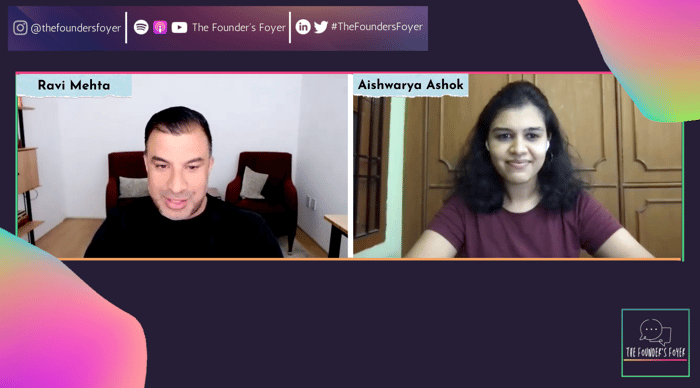
Here's the video conversation with Ravi Mehta
On my project, The Founder's Foyer, I chatted with Ravi Mehta, Co-Founder of Scale (ex-Meta, TripAdvisor, Tinder, XBox), who broke down the elements of how an early-stage founder or builder should go about focusing on the conversations with their customers, and ensure they have "informed conviction" - which then helps in making decisions in three different ways:
- really good intuitive leaps
- conversations with customers aka qualitative inputs
- quantitative benchmark data from the market
He also covered the concept of how he validated his own startup idea, Scale, by channelizing customer responses, conversations, and inner motives, and combining that with external factors.
He quotes,
"When I started exploring ideas, I put together a framework to help understand each opportunity I was considering. I needed the framework to add a dose of rationality to concepts that I got intuitively excited about."
Here are the components of Ravi’s framework to choose the right ideas to work on:
-
Fundability - How likely are VCs to fund this idea early (i.e, without traction)? In other words, how much does this tie into trends that VCs are getting behind (i.e., Blockchain) or models they really like (i.e., SaaS).
-
Time to revenue - How quickly (in months) can you go from zero to generating revenue? Given that this is one of the key signs of traction, time to revenue is a measure of the riskiest time in a startup's life)
-
Revenue opportunity size - How big is the ultimate opportunity size of this market? The idea here was to find $1B+ markets that would be attractive to VCs.
-
Ease of customer acquisition - What channels would make sense? What is the cost of those channels? How quickly do the channels scale?
-
Technical challenge - How technically difficult is the product to build?
-
Changes to technology & habits - What are the prevailing changes in technology or market behavior that this idea taps into? How strong are those changes?
Got something to add from your own experience? Keep 'em coming in the comments.
