How to Achieve Reliable Power Transformer Connections Through Hydrogen Brazing
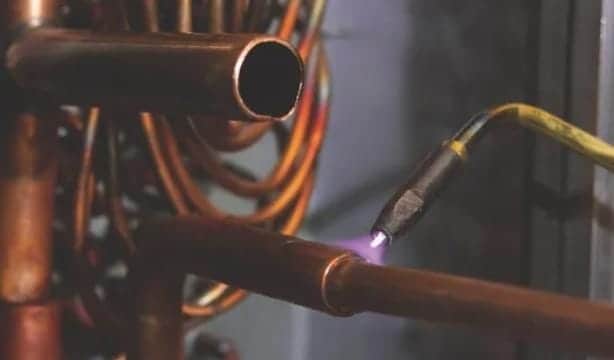
Transformers that are used to convert power are important in electrical power transmission and distribution systems. These transformers have copper conductors, terminals and connectors, which have to be bonded with high accuracy so that they can have high electrical conductivity and durability. Hydrogen brazing is one of the methods that are increasingly applied to create strong and clean joints, this is usually done by using hho gas welding, hydrogen generator brazing or oxyhydrogen generator technology.
Hydrogen-based brazing systems can provide better accuracy in the heat control, low level of oxidation, less working conditions as opposed to traditional fuels gases. This paper describes the operation of hydrogen brazing and its use in obtaining dependable connections between the transformers.
Knowing Brazing in Transformer Manufacturing
Brazing is a joining method that entails the use of a lower melting filler metal than the base metals mix. The filler runs into the joint via the capillary action when put under heat and hardens to create a strong bond.
In manufacturing of power transformers, brazing is applied in:
Copper busbar connections
Copper-to-copper terminals
Coil lead joints
Cooling tube connections
The reason why joints need to be reliable is that improper electrical connections may cause overheating, resistance, and shortened life of transformers.
The scientific study of metallic jointing, and the dependability in electrical contacts is highly debated in the engineering literature and in organizations like IEEE (Institute of Electrical and Electronics Engineers) and engineering schools with courses on transformer design.
What Is Hydrogen Brazing?
In hydrogen brazing, a flame made of hydrogen or hydrogen and oxygen gases is used. Water can be electrolyzed to produce these gases; an oxyhydrogen generator can be used in this production.
The resulting flame, usually referred to as oxyhydrogen, burns at very high temperatures and only a by-product is water vapor. The oxyhydrogen is a blend of hydrogen and oxygen gases that have most often been utilized in high temperature torches and metalworking.
New hydrogen brazing processes produce the gas as needed by electrolyzing the water. The hydrogen and oxygen streams are then fired at the tip of the torch thus creating a high temperature flame that can be used to heat the copper and other metals.
Application of HHO Gas Welding in Transformer Connection
Hho gas welding is one of the techniques that is employed in the assembly of transformers and this technique involves the use of a blend of oxygen and hydrogen gases produced through electrolyzing water.
HHO systems also produce gas in water and electricity without using external fuels in the form of acetylene or propane.
Such a method has a number of benefits in transformer production:
Flame temperature of high enough intensity to brazze copper.
Localized heating which avoids breakages of close components.
Increased reductions within copper connections.
Less polluting as combustion only gives them water vapor.
Since copper is extensively employed as a conductive material in transformers due to its excellent electric conductivity, hydrogen brazing is especially appropriate in copper to copper welds.
The way Hydrogen Generator Brazing works
The hydrogen generator brazing system normally comprises of some major parts:
Electrolysis unit- Splits the water into hydrogen and oxygen gas with the use of electricity.
Gas delivery system- This system moves the gas that is produced to the torch.
Brazing torch This combines the gases and then burns them to produce a disciplined flame.
Safety devices - They consist of flashback arrestors and pressure controls.
When required, hydrogen and oxygen gases are produced in modern systems therefore, this enhances safety in addition to doing away with gas storage tanks as is the case.
The fire generated as a result of hydrogen and oxygen combustion can be very hot and still contain in high concentration. This enables brazing alloys to have a deeper penetration into metal joints that make more solid and stronger connections.
Power Transformers Hydrogen Brazing Benefits
Transformers manufacturing has a number of technical advantages in hydrogen brazing.
Reduced Oxidation
Copper is easily oxidised at high temperature. The oxidation reduction of the flames is minimized making it reduced through hydrogen flames, which forms the atmosphere.
Lower oxidation enhances electrical conductivity and cut-off wastes on loss of further cleaning operations.
Precise Heat Control
The use of hydrogen flames offers local heating that is, the heat is directed to the joints only. This helps prevent:
Destruction of insulation materials.
Distortion of adjacent components.
A transformer assembly thermal stress.
Cleaner Work Environment
The burning of hydrogen does not generate carbon dioxide or poisonous gases like in fossil-fuels, but water vapor.
This enhances good workplace safety and minimized environmental impact.
Consistent Flame Quality
Easy processes such as oxyhydrogen generation enable automatic control over gas production and mixing in the system, which guarantees the quality of the flame and makes the brazing reliable.
Best Practices of Reliable Brazing of Transformers
In order to get good connections of a transformer using hydrogen brazing, producers usually observe a number of best practices.
Proper Surface Preparation
The copper surfaces should be clean; they should not have oils, oxidation or contaminants. When fillers are well cleaned, the flow of the fillers gets improved and so do the joint strengths.
Proper Selection of Brazing Alloy
Transformer connections are often connected using silver-based or copper phosphorus filler alloys because it has good conductivity and mechanical strength.
Controlled Heating
The flame must be spread in the complete joint area to create even heating of the filler metal as well as the correct action of capillaries.
Quality Inspection
Inspections after brazing Joints are to be inspected for:
The splicer filler is uniformly distributed.
Absence of voids or cracks
Right metallurgical bonding.
High-reliability transformer use Non-destructive testing methods can also be applied in high-reliability transformers (such as visual inspection testing or ultrasonic testing).
Hydrogen Brazing as an Industry
The Hydrogen brazing material has been extensively applied to a variety of industries in which copper joining of precision is needed.
Typical applications are:
Manufacturing of power transformers.
Rewiring and building of electric motors.
HVAC- Brazing of copper tubes.
Battery and electronic production.
Hho gas welding equipment is utilized in many industrial systems to create clean and precise joints in the systems.
Conclusion
The use of hydrogen brazing as a method of ensuring good electrical contacts in power transformers is gaining greater functionality. With the help of such technologies as hydrogen generator brazing, hho gas welding and oxyhydrogen generator, producers are able to produce robust copper connections with little oxidation and good electrical conductivity.
This method has been especially wanted by transformer production and repair because of the intense heat of the hydrogen flame, the ability to control heat decently and the cleaner combustion.
Due to the industries still focusing on the high efficiency, environmental safety and uniformity in the quality of manufacturing of electrical equipment, hydrogen based brazing technologies are most likely to be used in the production of high quality electrical equipment.

