How to Automate Affiliate Marketing with AI: Complete Guide
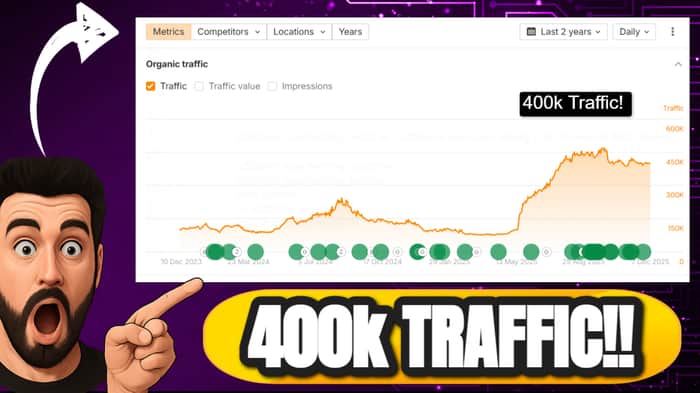
How to Automate Affiliate Marketing with AI: Complete Guide
Affiliate marketing has evolved from manual spreadsheets and guesswork into a data-driven powerhouse. With AI technologies projected to reach $1.3 trillion by 2032, affiliate marketers who embrace automation today will dominate tomorrow's landscape. This comprehensive guide reveals how to leverage artificial intelligence to scale your affiliate business without adding headcount or burning yourself out.
Watch 45 minute case study here: https://www.youtube.com/watch?v=toUArHVhvZ8
What Is AI Affiliate Marketing?
AI affiliate marketing uses artificial intelligence and machine learning to automate, optimize, and scale partnership-based promotion strategies. Unlike traditional affiliate marketing that relies on manual product selection, content creation, and performance analysis, AI-powered systems analyze massive datasets in real-time to predict customer behavior, personalize recommendations, and automatically adjust campaigns for maximum profitability. Using AI for affiliate marketing enables marketers to automate tasks such as content creation, personalization, data analysis, and SEO optimization, which helps scale efforts, improve targeting, and increase efficiency for better campaign performance.
The transformation is remarkable: approximately 79.3% of affiliate marketers now use AI in their marketing efforts, and businesses implementing automation drive 129% more leads and close 36% more deals in their first year. AI doesn’t just make affiliate marketing easier—it makes it smarter, faster, and exponentially more profitable.
Key Differences Between Traditional and AI-Powered Affiliate Marketing
Traditional Affiliate Marketing:
-
Manual product selection based on intuition
-
Generic content targeting broad audiences
-
Periodic performance reviews (weekly or monthly)
-
Time-consuming data analysis
-
Limited personalization capabilities
-
Heavy reliance on manual work for tasks like campaign optimization, testing, fraud detection, and affiliate management
AI-Powered Affiliate Marketing:
-
Data-driven product recommendations
-
Hyper-personalized content at scale
-
Real-time campaign optimization
-
Automated fraud detection
-
Predictive customer behavior analysis
-
Multi-touch attribution tracking
Why Manual Affiliate Marketing Doesn't Scale
If you’re spending hours updating affiliate links, manually tagging UTMs, or copying data into spreadsheets, you’re not running an affiliate program—you’re babysitting one. Manual workflows create three critical problems that kill ROI.
Scaling affiliate marketing effectively requires minimal manual intervention, which is only possible through automation.
1. Repetitive Tasks Kill Productivity
Consider how much time you spend on routine activities: updating product links, creating promotional content, tracking clicks, generating reports, and managing partner communications. AI can automate tasks like these, significantly reducing the manual workload and freeing up time for strategic activities. One fashion brand tracked 12 staff-hours weekly just maintaining affiliate links. After switching to automated systems, they reduced this to less than one hour while simultaneously improving accuracy.
2. Disjointed Tools Create Data Silos
When your tracking pixels live in one platform, CRM data in another, and advertising spend in a third, valuable insights get trapped. Integrating marketing tools is crucial to streamline affiliate operations and ensure all data flows seamlessly between systems. Research shows that 61% of affiliate managers lose revenue because disconnected tools hide performance problems. Data silos can wipe out 30% of monthly profit by preventing you from identifying and eliminating wasteful spend.
3. Generic Creatives Fail to Convert
Static “Save 20%” banners barely register with modern consumers. Meta reports that personalized creatives lift click-through rates by 2× on average, while video content increases purchase intent by 200% compared to static images. Manual creative production can’t keep pace with the volume and variety needed to capture attention across channels. Generating engaging social media posts is also crucial, as AI-driven content tailored for each platform can significantly boost audience engagement and affiliate marketing effectiveness.
How AI Solves Affiliate Marketing Challenges
Artificial intelligence transforms affiliate marketing from a time-intensive grind into an automated revenue engine. Automation tools powered by AI streamline affiliate marketing processes by handling repetitive tasks like campaign tracking, affiliate management, and performance analysis. Here’s how AI addresses the core challenges:
Smarter Audience Targeting
AI-powered platforms like Hyros analyze visitor behavior to rank prospects by purchase likelihood. Instead of showing the same offer to everyone, you can automatically segment audiences based on browsing history, purchase patterns, and engagement signals. Aligning your offers with the target audience is crucial to maximize conversions, as it ensures your messaging resonates with those most likely to engage. One home-fitness brand connected Hyros to their Shopify store and increased conversions by 19% in four weeks by targeting high-intent buyers with customized offers.
Automated Content Creation at Scale
AI writing tools like Jasper, Copy.ai, and ChatGPT can generate blog posts, product reviews, email campaigns, and social media content in minutes instead of hours. These tools help affiliate marketers create content efficiently and at scale, streamlining the production of high-quality marketing materials for their campaigns. For visual content, platforms like Zeely AI, Pictory, and Synthesia create professional videos without cameras, actors, or editing skills. What once took days of production now happens in under 12 minutes.
Real-Time Campaign Optimization
Advanced AI systems continuously monitor performance metrics and automatically adjust campaigns. With AI, you can manage and optimize multiple campaigns simultaneously, ensuring each campaign is evaluated and adjusted in real time for maximum efficiency. Platforms like Scaleo let you set rules such as “pause any offer where CPA rises 10%” or “increase budget when ROAS exceeds 200%.” This automated optimization happens 24/7, catching problems before they drain your budget and scaling winners faster than manual oversight allows.
Predictive Analytics and Forecasting
Machine learning algorithms analyze historical data to predict which products will convert, which affiliates will perform best, and which customer segments offer the highest lifetime value. By understanding user behavior—such as browsing and purchasing patterns—AI tools can improve predictive accuracy and tailor marketing strategies more effectively. This predictive capability lets you allocate resources strategically instead of hoping your intuition proves correct.
Best AI Tools for Affiliate Marketing Automation
Success in AI-powered affiliate marketing depends on choosing the right tools for each function. Automation covers a broad range of tasks in affiliate marketing, including tracking, reporting, and managing payments, streamlining many operational aspects. Here are the essential platforms organized by use case:
Content Creation and SEO
Jasper AI - Generates blog posts, product descriptions, and marketing copy optimized for conversions. Supports 29+ languages and learns your brand voice.
Surfer SEO - Provides real-time optimization suggestions, keyword insights, and competitor analysis as you write content.
ChatGPT/Claude - Creates outlines, rewrites content, generates product reviews, and answers customer questions at scale.
Pictory - Transforms text into professional videos using AI, perfect for creating affiliate product demonstrations.
Synthesia - Generates realistic videos with AI avatars that speak in 120+ languages without filming.
Campaign Tracking and Analytics
Hyros - Advanced attribution platform that tracks every touchpoint in the customer journey and predicts which visitors will convert.
Scaleo - All-in-one affiliate tracking software with fraud detection, automated payouts, and real-time analytics dashboards.
Google Analytics 4 - AI-powered insights identify trends, anomalies, and optimization opportunities automatically.
Affilimate - Aggregates performance data from multiple affiliate networks into one centralized dashboard.
Email Marketing Automation
GetResponse - AI email generator creates subject lines and campaign copy optimized for open rates, includes landing page and funnel builders. These tools also support lead generation by capturing potential leads and nurturing them through automated email sequences.
Mailchimp - Predictive analytics suggest the best send times and segment audiences based on engagement patterns.
ActiveCampaign - Automated sequences triggered by customer behavior, with AI recommendations for improving performance.
Partner Discovery and Management
Upfluence - AI-powered influencer discovery analyzes engagement metrics and audience demographics to match you with ideal partners. These tools help identify and connect with potential affiliates who are most relevant to your brand.
Refersion - Automates affiliate recruitment, onboarding, and management with smart matching algorithms, making it easier to discover and engage potential affiliates.
PartnerStack - Marketplace connecting brands with 115,000+ active partners across 300+ programs, providing access to a wide pool of potential affiliates.
Creative Generation and Testing
Zeely AI - Creates both static ads and hyper-realistic UGC-style video ads from product URLs in minutes. Includes automated A/B testing and direct social media publishing. Using AI-generated creatives and automated testing can help boost conversions in affiliate campaigns by optimizing ad performance.
AdCreative.ai - Generates multiple ad variations and predicts which will perform best before you launch.
Canva Pro - AI design tools suggest layouts, optimize images, and create professional graphics at scale.
Step-by-Step Guide: Automate Your Affiliate Marketing with AI
Ready to transform your affiliate business? AI can automate the entire process of affiliate marketing, from content creation and link management to performance tracking and optimization. Follow this six-step framework to implement AI automation systematically:
Step 1: Choose the Right AI Affiliate Programs
The generative AI market is expanding from $40 billion to $1.3 trillion over the next decade, creating massive opportunities for affiliate marketers. When getting started, it's essential to carefully evaluate and select the right affiliate marketing program, focusing on automation features, AI integration, and platform capabilities that can help you efficiently manage and scale your efforts. Start by evaluating programs based on these criteria:
Commission Structure:
-
Recurring commissions generate long-term value (look for 15-50% recurring rates)
-
Cookie duration matters (30-120 days preferred)
-
Tiered structures reward growth (CustomGPT offers 15% starter, 18% pro, 20% master)
-
Lifetime commissions beat one-time payouts
Product-Market Fit:
-
Promote products you’ve personally tested
-
Ensure strong demand (check search volume and competition)
-
Match your audience’s needs and interests
-
Verify quality through reviews and testimonials
Support and Resources:
-
Marketing materials (banners, email templates, social media assets)
-
Dedicated affiliate manager
-
Reliable tracking and reporting
-
Responsive support team
Top AI Affiliate Programs to Consider:
-
CustomGPT.ai (15-20% recurring, AI chatbot platform)
-
Jasper (30% recurring first year, AI writing assistant)
-
GetResponse (up to 50% recurring, email marketing)
-
Notion (50% commission first 12 months, productivity platform)
-
Synthesia (20-30% recurring, AI video creation)
Step 2: Master the Product Before Promoting
Authentic recommendations convert dramatically better than generic pitches. Product knowledge builds trust—the foundation of successful affiliate marketing. Here's how to become a product expert:
Test Personally:
-
Purchase and use the product yourself
-
Document real results with specific metrics
-
Identify strengths AND limitations
-
Compare with competing alternatives
-
Take screenshots, record demos, track outcomes
Create First-Hand Content:
-
Video demonstrations showing actual use
-
Before/after results with data
-
Tips based on personal experience
-
Honest pros and cons analysis
-
Answers to common objections
Develop Expertise:
-
Complete any available training or certification
-
Join product communities and forums
-
Connect with other successful affiliates
-
Stay updated on new features and updates
-
Build relationships with the company team
Step 3: Automate Content Creation with AI
Content fuels affiliate marketing, but manual creation doesn’t scale. AI tools accelerate production while maintaining quality:
Blog Posts and Articles:
-
Use ChatGPT or Jasper to generate outlines and first drafts
-
Run content through Surfer SEO for optimization suggestions
-
Add personal insights and unique perspectives
-
Include genuine product experiences and examples
-
Always disclose affiliate relationships transparently
Product Reviews:
Use AI templates in tools like Narrato:
-
Input product URL or specifications
-
Let AI extract features and benefits
-
Edit to add your authentic voice
-
Include comparison tables and ratings
-
Embed affiliate links naturally within content
Email Campaigns:
AI email assistants like GetResponse or Mailchimp:
-
Generate subject lines optimized for opens
-
Create personalized body copy based on segments
-
Schedule sends for optimal engagement times
-
Run A/B tests automatically
-
Track performance and refine approach
Visual Content:
Create videos without filming:
-
Zeely AI: Paste product URL, choose template, select AI avatar, generate script, render in 12 minutes
-
Pictory: Transform blog posts into videos with stock footage and music
-
Synthesia: Create professional presentations with realistic AI presenters
-
Canva: Generate social media graphics and display ads
AI tools can also generate and publish content directly to social media platforms, streamlining your affiliate marketing workflow and expanding your reach.
Step 4: Implement Smart Partner Recruitment
Finding quality affiliates consumes enormous time when done manually. AI-powered platforms automate discovery and matching:
Automated Discovery Process:
-
Connect tools like Upfluence or Influencity to your store
-
Set criteria: target niches, minimum engagement rates, audience demographics
-
Let AI scan and score candidates for relevance and potential performance
-
AI tools can also assist in analyzing industry hashtags to identify relevant influencers and affiliates based on engagement and audience fit.
-
Review shortlisted prospects with highest match scores
-
Approve top candidates and pass on poor fits
Smart Matching Algorithms:
AI platforms analyze:
-
Content quality and engagement metrics
-
Audience overlap with your target market
-
Past affiliate performance and conversion rates
-
Social media presence and reach
-
Email list size and engagement levels
One e-commerce brand using AI matching saw 50% higher earnings per click (EPC) compared to manual affiliate recruitment. The system identified micro-influencers with highly engaged audiences that outperformed larger creators with broader, less targeted followings.
Automated Onboarding:
Once partners are approved:
-
Email sequences deliver training automatically
-
AI chatbots answer common questions 24/7
-
Performance dashboards provide real-time feedback
-
Systems alert you to inactive partners needing support
Step 5: Optimize Campaigns with AI Analytics
Manual performance reviews happen weekly or monthly—AI optimization runs continuously, catching problems within minutes instead of days:
Real-Time Tracking:
Connect Google Analytics 4, Hyros, or Scaleo to monitor:
-
Click-through rates across all platforms
-
Conversion patterns by traffic source
-
Revenue attribution by content piece
-
Partner performance comparisons
-
Customer lifetime value predictions
Comprehensive performance reporting is essential for optimizing affiliate campaigns, as it provides a full-funnel view and enables accurate tracking and data-driven adjustments.
Automated Optimization Rules:
Set trigger-based automation:
-
“Pause any ad where ROAS drops below 150%”
-
“Increase budget 20% when CPA falls 10% below target”
-
“Send Slack alert when conversion rate drops 15%”
-
“Boost spend on campaigns with >30% profit margin”
A/B Testing at Scale:
AI-powered multivariate testing evaluates:
-
Multiple headlines simultaneously
-
Various CTA button colors and text
-
Different layouts and designs
-
Image vs. video performance
-
Email send times and subject lines
One DTC brand using AI-driven A/B testing discovered minimalist designs with product close-ups increased click-through rates by 35%. Traditional testing would have taken weeks to reach that conclusion—AI delivered insights in 3 days.
Predictive Analytics:
Machine learning forecasts:
-
Which products will trend next month
-
Expected conversion rates by traffic source
-
Optimal budget allocation across channels
-
Customer churn probability
-
Seasonal demand fluctuations
Step 6: Scale with Automation and Feedback Loops
Sustainable growth requires systems that learn and improve continuously:
Automated Publishing:
Tools like Ocoya and Buffer:
-
Schedule content across multiple platforms
-
Post at optimal engagement times
-
Maintain consistent presence without manual effort
-
Adjust posting frequency based on performance
Content Clustering:
AI identifies topic relationships to build content hubs:
-
Analyze top-ranking competitor content
-
Identify main topics and subtopics
-
Suggest internal linking structure
-
Create comprehensive resource centers
Studies show topical content clusters can boost traffic by up to 300% by establishing topical authority and improving site architecture.
Continuous Improvement:
Feed performance data back into AI systems:
-
Click, open, and conversion data trains models
-
Systems learn which creatives perform best
-
Algorithms automatically optimize future campaigns
-
Performance improves over time without intervention
Scaling Operations:
As revenue grows, AI allows expansion without proportional cost increases:
-
Add new products without hiring writers
-
Test additional traffic sources automatically
-
Recruit more affiliates using discovery tools
-
Launch in new markets with translation AI
Automating affiliate workflows enables efficient scaling by streamlining tasks like funnel tracking, recruitment, and onboarding, so you can grow your affiliate program without increasing manual effort.
Best Practices for AI Affiliate Marketing Success
Even the most powerful AI tools require strategic implementation. Providing strong affiliate support, including access to marketing resources and reliable tracking tools, is essential to ensure program success. Follow these guidelines to maximize results while avoiding common pitfalls:
Maintain Data Quality
Garbage in, garbage out applies to AI systems. Implement monthly audits:
-
Verify click and conversion counts match across platforms
-
Remove duplicate affiliate IDs and tracking codes
-
Standardize UTM parameter formatting
-
Spot-check currency conversions for international programs
-
Clean data regularly—one beauty brand cut wasted spend 18% with quarterly cleanups
Choose Integration-Friendly Tools
Select platforms offering:
-
Open APIs for custom connections
-
Native integrations with your existing stack (CRM, e-commerce, email)
-
Zapier or Make.com compatibility
-
Webhook support for real-time data sync
-
CSV export options for backup and analysis
Choosing affiliate software that integrates seamlessly with your other tools can significantly improve automation and efficiency in managing affiliate performance.
Balance Automation with Human Oversight
AI handles volume; humans handle nuance. Reserve 15 minutes weekly to:
-
Review new creatives for brand alignment
-
Check for traffic spikes requiring investigation
-
Verify partner payout accuracy
-
Scan for unusual patterns suggesting fraud
-
Spot-check AI-generated content quality
Prioritize Transparency and Disclosure
Maintain trust while leveraging AI:
-
Clearly disclose affiliate relationships
-
Be honest about product limitations
-
Don't over-promise results
-
Add unique insights to AI-generated content
-
Review all content before publishing
Build Feedback Loops
Create rules that trigger actions:
-
Boost spend when ROAS climbs 10%
-
Pause ads when bounce rate tops 70%
-
Alert team when EPC falls below threshold
-
Scale successful campaigns automatically
-
Archive underperforming content
One fitness app using automated feedback loops raised profit margins 22% in six weeks without increasing budget—the system continuously optimized itself.
Stay Compliant
AI makes mistakes humans must catch:
-
Review generated content for accuracy
-
Ensure claims match actual product capabilities
-
Follow FTC disclosure requirements
-
Respect cookie consent regulations (GDPR, CCPA)
-
Monitor for duplicate content issues
Combine Multiple AI Tools Strategically
No single platform does everything. Build an integrated stack: integrating other ai tools can further enhance affiliate marketing productivity by allowing you to automate specialized tasks and streamline your workflow.
-
Content creation (Jasper, ChatGPT)
-
SEO optimization (Surfer, Clearscope)
-
Video production (Zeely AI, Synthesia)
-
Email marketing (GetResponse, Mailchimp)
-
Analytics (Hyros, Google Analytics 4)
-
Project management (ClickUp, Notion)
Common Challenges and How to Overcome Them
AI adoption isn’t without obstacles. Having a robust affiliate marketing strategy is essential to overcome these common challenges and ensure your automation efforts are effective. Here’s how to navigate the most common challenges:
Challenge: AI-Generated Content Sounds Generic
Solution: Use AI for first drafts and structure, then add:
-
Personal anecdotes and experiences
-
Specific examples and case studies
-
Unique data or research
-
Your distinct voice and perspective
-
Original insights competitors can't replicate
Challenge: Tool Overload and Integration Issues
Solution: Start with one or two core tools, master them, then expand gradually. Prioritize platforms with strong integration capabilities and choose tools that complement each other rather than duplicating functionality. Evaluate similar tools to avoid redundancy and ensure efficient integration of AI-powered platforms for tasks like content creation, outreach, partner matching, and fraud detection.
Challenge: High Initial Investment Costs
Solution: Many AI tools offer free tiers or trials. Start with free options like ChatGPT, then invest in paid tools as you prove ROI. Leveraging free AI tools can minimize upfront costs while you test automation strategies for affiliate marketing. Calculate break-even points—if a tool saves 10 hours monthly at your hourly rate, even expensive subscriptions pay for themselves.
Challenge: Maintaining Authenticity
Solution: Never fully automate relationships. Use AI for scale but inject personality in:
-
Personal email touchpoints with top affiliates
-
Custom content for high-value promotions
-
Video content featuring you directly
-
Community engagement and conversations
Challenge: Keeping Up with Rapid AI Evolution
Solution:
-
Follow AI marketing newsletters and blogs
-
Join affiliate marketing communities
-
Test new tools quarterly
-
Attend industry conferences
-
Subscribe to tool update notifications
Measuring Success: Key Metrics to Track
You can’t optimize what you don’t measure. Monitor these essential KPIs:
-
Click-through rate (CTR)
-
Conversion rate
-
Cost per acquisition (CPA)
-
Return on ad spend (ROAS)
-
Affiliate sales: Track the number and value of affiliate sales to measure the direct revenue generated by your automated affiliate marketing efforts.
Revenue Metrics
-
Total Affiliate Revenue: Overall earnings from affiliate commissions
-
Revenue Per Click (RPC): Total revenue divided by total clicks
-
Average Order Value (AOV): Average purchase amount through your links
-
Lifetime Value (LTV): Total revenue per referred customer over time
Performance Metrics
-
Click-Through Rate (CTR): Percentage of viewers who click affiliate links
-
Conversion Rate: Percentage of clicks that result in sales
-
Earnings Per Click (EPC): Average commission earned per click
-
Return on Ad Spend (ROAS): Revenue generated per dollar spent on promotion
Efficiency Metrics
-
Cost Per Acquisition (CPA): Marketing cost to acquire one customer
-
Time Saved: Hours reclaimed through automation
-
Content Production Volume: Pieces created per month
-
Partner Acquisition Rate: New affiliates joining per month
Quality Metrics
-
Refund Rate: Percentage of sales returned (lower is better)
-
Customer Satisfaction: Reviews and feedback from referred customers
-
Brand Safety: Compliance and quality of partner promotions
-
Attribution Accuracy: Percentage of conversions correctly tracked
Future Trends in AI Affiliate Marketing
Stay ahead by preparing for these emerging developments:
AI-powered analytics are increasingly shaping the future of affiliate marketing by enabling deeper audience data analysis, performance tracking, and predictive insights for campaign optimization.
Advanced predictive AI will allow marketers to anticipate trends, personalize offers, and automate more complex decision-making processes. This means affiliate marketers who embrace these technologies early will have a significant competitive advantage.
Voice and Visual Search Optimization
As consumers adopt voice assistants and visual search, optimize content for:
-
Natural language queries
-
Image-based product discovery
-
Voice-activated shopping
-
Visual similarity matching
Optimizing for voice and visual search can significantly improve your discoverability in search engines, as AI tools help adapt your content to new search behaviors and trends.
Hyper-Personalization
AI will enable 1:1 personalization at scale:
-
Dynamic landing pages customized per visitor
-
Individualized product recommendations
-
Personalized video content
-
Adaptive pricing and offers
Blockchain and Transparent Tracking
Cryptocurrency and blockchain may revolutionize:
-
Instant commission payments
-
Transparent attribution
-
Fraud prevention
-
Decentralized affiliate networks
Advanced Predictive AI
Next-generation systems will:
-
Forecast market trends months in advance
-
Identify emerging products before competitors
-
Predict customer lifetime value at first click
-
Automatically rebalance entire portfolios
Regulatory Evolution
Prepare for:
-
Stricter disclosure requirements
-
Enhanced data privacy regulations
-
AI-generated content labeling mandates
-
Cookie-less tracking solutions
Conclusion: Your AI Affiliate Marketing Action Plan
The affiliate marketers who embrace AI automation today will dominate the landscape tomorrow. Here's your roadmap to getting started:
Week 1: Foundation
-
Audit current affiliate performance and identify bottlenecks
-
Research AI affiliate programs aligned with your niche
-
Sign up for free trials of 2-3 core tools (one for content, one for analytics)
Week 2-3: Implementation
-
Test selected products personally and document experiences
-
Create 3-5 pieces of AI-assisted content (blog posts, emails, videos)
-
Set up tracking and analytics infrastructure
Week 4: Optimization
-
Analyze initial performance data
-
Implement automation rules based on results
-
A/B test different content formats and promotional strategies
Month 2-3: Scale
-
Expand to additional AI tools as budget allows
-
Automate partner recruitment and onboarding
-
Build content clusters around top-performing topics
-
Implement predictive analytics for strategic planning
Month 4+: Refine
-
Review and optimize tool stack quarterly
-
Double down on what works, eliminate what doesn't
-
Share learnings with affiliate communities
-
Test emerging AI technologies early
Remember: AI amplifies your efforts but doesn't replace authenticity. The most successful AI-powered affiliate marketers blend machine efficiency with human creativity, using automation to handle repetitive tasks while reserving strategic thinking and relationship building for themselves.
Start small, test thoroughly, and scale systematically. The future of affiliate marketing is automated, intelligent, and incredibly profitable for those who act now.
Frequently Asked Questions
Can affiliate marketing be fully automated with AI?
Affiliate marketing can be partially automated but cannot be completely hands-off. AI tools excel at automating repetitive tasks like content creation, link management, email campaigns, and performance tracking. However, strategic decisions, relationship building with partners, quality control, and maintaining authenticity still require human oversight. The most successful approach combines AI automation for scalability with human judgment for strategy and relationships.
What are the best AI tools for affiliate marketing beginners?
Beginners should start with these accessible AI tools: ChatGPT or Claude for content creation (free to start), Canva Pro for graphics ($13/month), Mailchimp for email marketing (free up to 500 subscribers), and Google Analytics 4 for tracking (free). As you grow, add Jasper for advanced copywriting, Hyros or Scaleo for attribution tracking, and Zeely AI for video content creation. Focus on mastering one tool at a time rather than overwhelming yourself with too many platforms.
How much does it cost to implement AI affiliate marketing automation?
Costs vary based on scale and tool selection. Budget $50-200/month for basic automation (AI writing tool, email platform, basic analytics), $500-1000/month for intermediate setups (advanced attribution, video creation, comprehensive analytics), or $2000+/month for enterprise solutions with full automation and predictive analytics. Many tools offer free tiers or trials, allowing you to prove ROI before major investment. Calculate break-even by comparing tool costs against time saved multiplied by your hourly rate.
How do I choose profitable AI affiliate programs?
Evaluate programs using these criteria: commission structure (prioritize 20-50% recurring over one-time payments), cookie duration (30-120 days preferred), product quality (test personally before promoting), market demand (verify with keyword research), support resources (marketing materials, dedicated manager), and payment reliability (check reviews from existing affiliates). Focus on products you genuinely use and would recommend without compensation—authenticity drives conversions more than high commission rates.
Will Google penalize AI-generated affiliate content?
Google does not penalize AI-generated content automatically. Their guidelines focus on content quality and user value, not creation method. However, thin, duplicate, or low-quality AI content can be penalized. To stay safe: always review and edit AI-generated content, add unique insights and personal experiences, ensure accuracy and originality, include proper disclosures, and provide genuine value to readers. AI should enhance your content process, not replace your expertise and authenticity.
How long does it take to see results from AI affiliate marketing?
Timeline varies based on strategy and niche, but expect: 1-2 months to set up systems and create initial content, 2-3 months to start generating consistent traffic and conversions, 3-6 months to optimize and refine successful approaches, and 6-12 months to achieve substantial, scalable income. AI acceleration reduces these timelines by 30-50% compared to manual methods. However, success depends on quality execution, not just speed—focus on building sustainable systems rather than chasing quick wins.
What's the difference between AI affiliate marketing and traditional affiliate marketing?
Traditional affiliate marketing relies on manual processes: hand-picking products, writing content individually, periodic performance reviews, and gut-feel decisions. AI affiliate marketing automates these processes: algorithms recommend high-converting products, tools generate content at scale, systems optimize campaigns in real-time, and data drives decisions. AI doesn't change affiliate fundamentals (promoting products for commission) but dramatically increases efficiency, scalability, and profitability by handling repetitive tasks while humans focus on strategy.
How do I prevent fraud in AI-automated affiliate campaigns?
Implement these fraud prevention measures: use platforms with built-in fraud detection (Forensiq, Scaleo), monitor for unusual patterns (sudden traffic spikes, abnormal click-to-conversion ratios, geographic anomalies), set up automated alerts for suspicious activity, verify affiliate identities during onboarding, implement conversion delays to catch refund fraud, use AI attribution tools to identify invalid traffic sources, and regularly audit your affiliate network. One tech retailer reduced fraud from 15% to 1.5% in six months using AI detection tools.
Can I use AI to manage multiple affiliate networks simultaneously?
Yes, centralized dashboards like Affilimate, Scaleo, and PartnerStack consolidate data from multiple networks into one interface. These platforms track clicks, conversions, and commissions across all programs, automate reporting, identify top-performing networks, and streamline payment reconciliation. This multi-network management saves hours weekly and provides strategic insights impossible to see when data is siloed. Most platforms charge $50-500/month based on transaction volume but pay for themselves through improved efficiency and optimization.
What skills do I need to succeed with AI affiliate marketing?
Essential skills include: basic understanding of AI tools and prompts (learnable in days), content marketing fundamentals (SEO, copywriting, email marketing), analytical thinking to interpret data and optimize campaigns, relationship building with affiliate partners and merchants, and ethical marketing practices including proper disclosures. You don't need technical programming skills—modern AI tools are designed for marketers, not developers. The most important skill is willingness to test, learn, and adapt as technologies and strategies evolve.
How do I scale an AI affiliate business without losing quality?
Maintain quality while scaling by: creating detailed style guides and brand guidelines for AI tools, implementing human review processes for all content before publishing, building template libraries for consistent output, using AI for first drafts while adding unique insights manually, focusing on depth in fewer niches rather than breadth across many, investing in training and onboarding for any team members, and regularly auditing output quality with customer feedback. Remember that AI enables scale, but quality comes from strategic oversight and maintaining your authentic voice.

Interesting!
Most people automate affiliate marketing the wrong way — they automate output, not intent.
AI isn’t powerful because it writes faster. It’s powerful because it lets you align content, offers, and timing with actual buyer behavior. When you combine automation with conversion psychology, you stop “posting more” and start making every touchpoint persuasive on autopilot.
Founders who get this scale.
Founders who don’t just end up with prettier dashboards.
Solid post — this conversation needs more of this angle. 🚀
Great roadmap. One practical gap I see is reliable cross channel attribution. Do you prefer server side events and a single event schema or using a tool like Hyros/Scaleo to stitch clicks and remove discrepancies?