How to balance multiple projects without losing focus?
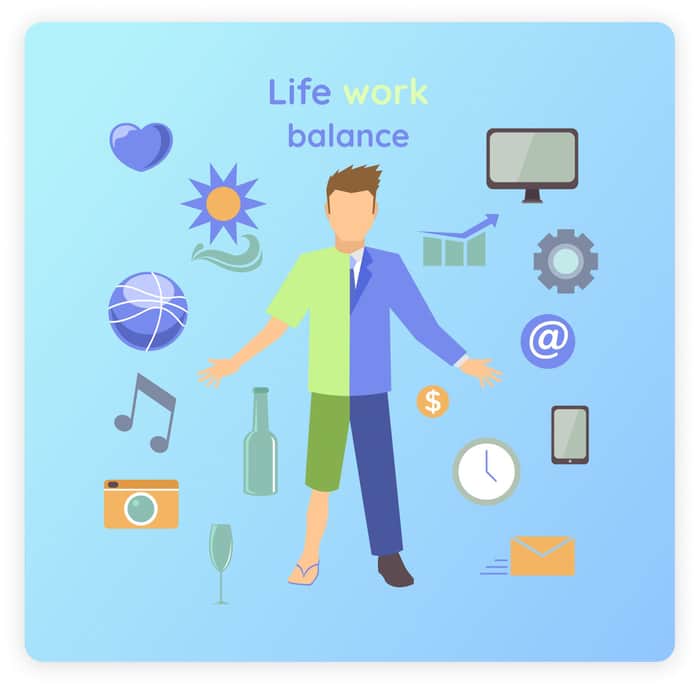
Balancing multiple projects is something I’ve struggled with personally. The constant need to switch between tasks, clients, or even entire contexts often left me feeling tired and unfocused. Context switching, in general, is a silent productivity killer, as it forces your brain to reset each time you change focus, leading to fatigue and decreased efficiency. Here, I want to share how I’ve learned to manage these challenges and save my mental energy for what truly matters.
The cost of context switching
When working on multiple projects, each task requires attention to unique details. Switching between these contexts isn’t just a mental adjustment—it’s a cognitive load. Research shows that it can take up to 25 minutes to regain focus after an interruption, which means you lose critical time and momentum every time you switch context.
For me, juggling various projects led to moments of burnout, especially when I tried to manage everything manually or without a proper system in place. Tasks would pile up, deadlines would blur, and the quality of my work would suffer as a result.
Strategies for maintaining focus across projects
Here are the strategies I’ve adopted to manage multiple projects without losing focus:
Prioritize and Schedule: Using a task management system to prioritize tasks based on deadlines and importance has been useful for me. Scheduling blocks of time dedicated to specific projects helps minimize context switching.
Leverage Technology: Tools that automate workflows or provide intelligent task management ensure I stay on top of priorities with minimal manual input.
Adopt the Right Mindset: I’ve learned to embrace the idea of working smarter, not harder. Focusing on delivering quality work in fewer but well-planned hours has reduced my stress significantly.
Automate Repetitive Tasks: Automating repetitive tasks like scheduling meetings or sending reminders has saved me countless hours, allowing me to focus on the creative and strategic aspects of my projects.
Take Regular Breaks: Although it’s tempting to power through, I’ve found that stepping away from work briefly recharges my mind and improves overall productivity.
Using technology to get the balance
When I started feeling overwhelmed by the large number of tasks, integrating technology into my workflow was a good point. I highly recommend reading this blog post, Using Technology to Achieve Balance in Your Professional and Personal Life, for actionable insights on how to use digital tools for better work-life balance. It dives deep into strategies for leveraging technology to minimize disappointment and increase productivity.
Tools for freelancers and entrepreneurs
Freelancers and entrepreneurs like me often juggle multiple projects. That’s why I rely on AI-driven task management tools designed specifically for people in our field. If you’re curious about how to streamline your workflow, check out this resource for freelancers. These tools help by reducing the cognitive load of managing tasks, allowing you to focus on high-impact work.
Conclusion
Balancing multiple projects doesn’t have to mean sacrificing your peace of mind. By adopting smart strategies, leveraging technology, and using the right tools, you can maintain focus and deliver quality results across all your endeavors. Whether you’re managing a small business, freelancing, or growing a startup, the key lies in working smarter, staying organized, and making technology your ally.

What do you think about brain dumping style GTD?