How to Choose an E-Bike That Actually Fits Your City Lifestyle
As urban commuting becomes one of the most consistent—and most draining—parts of daily life, the role of electric bikes is quietly changing. They are no longer just a way to get from point A to point B. For many riders, an e-bike now affects how time is managed, how energy is distributed, and how commuting feels day after day.
That shift has also changed how people think about choosing a bike. The question is no longer whether an e-bike is useful, but whether a specific design truly fits how someone rides daily.
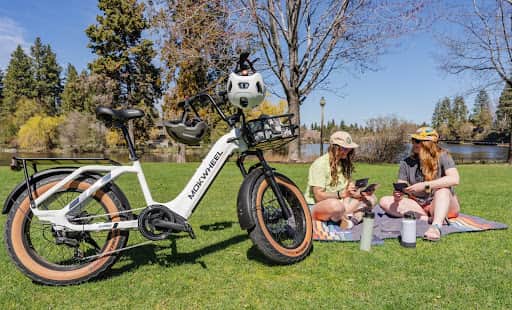
When Commuting Sets the Pace: Why Speed Is Really About Consistency
For riders with longer commutes or tighter schedules, efficiency naturally becomes the top priority.
In real city traffic, what matters most isn’t top speed on paper, but the ability to maintain a steady rhythm through stoplights, mild climbs, and continuous riding without constant effort.
This is where faster commuter-oriented designs begin to stand out. Models like the Tarmac and Asphalt series are built around high-frequency urban riding, operating within the legal 28 mph limit while offering enough power headroom to keep acceleration smooth and predictable. That combination helps riders avoid losing momentum in start-and-stop traffic.
Within the same logic, Basalt and Basalt ST extend that balance of speed and adaptability even further. With stronger power output and wider tires, they maintain efficiency while remaining capable on less predictable surfaces. These designs tend to appeal to riders who mix weekday commuting with longer or more varied weekend rides.
In this context, a faster ebike isn’t about riding aggressively—it’s about arriving on time, consistently, without feeling rushed or drained.
When Riding Becomes Routine, Weight Starts to Matter More Than Expected
One of the most common surprises for new e-bike riders is realizing that a bike isn’t only used while riding.
It also needs to be pushed, lifted, parked, and stored—often in apartments, elevators, offices, or shared spaces.
As riding frequency increases, overall weight becomes a daily consideration rather than a technical detail. That’s why lighter designs have gained more attention among urban riders.
The FLINT series is a good example of this approach, balancing assist performance and everyday usability while keeping weight in a more manageable range:
FLINT PRO: ~31 lbs
FLINT ST PRO: ~35 lbs
FLINT ST: ~40 lbs
FLINT: ~36 lbs
Within the 30–40 lb range, bikes are noticeably easier to carry up stairs, maneuver indoors, and handle during short walks. Over time, that convenience often determines whether a bike is used daily or only occasionally.
Many long-term riders eventually realize that the real value of a lightweight electric bike shows up in a simple question: Do I feel like riding it today?
Budget Isn’t About Spending Less—It’s About Avoiding Regret Later
For riders entering the e-bike space, price is always part of the conversation. But a realistic budget isn’t about choosing the lowest number—it’s about choosing a setup that continues to feel right months and years down the line.
From that perspective, the FLINT lineup reflects a balanced approach.
With ranges typically between 50 and 70 miles and peak motor output in the 500–550W range, these bikes comfortably cover most city commutes and everyday errands without excess complexity.
For riders who want to keep entry costs reasonable without compromising daily usability, this balance often translates into better long-term satisfaction.
In that sense, “Best budget” doesn’t mean buying the cheapest option—it means buying a bike you’ll still want to ride regularly well into the future.
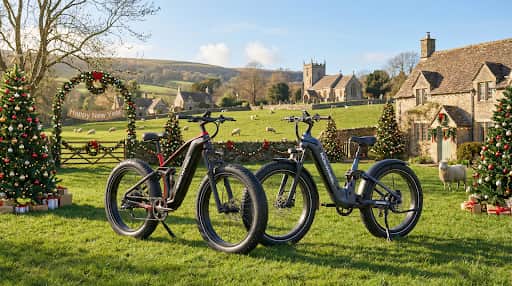
Choosing a Bike Is Really Choosing a Lifestyle
Different riding habits naturally point toward different design priorities. Riders with faster-paced schedules and longer commutes may gravitate toward models like Tarmac, Asphalt, or Basalt, where maintaining momentum and efficiency matters most.
Those who prioritize easy mounting, lighter handling, and storage convenience often find lightweight options like the FLINT series more aligned with everyday urban life.
The decision isn’t about winning a comparison chart—it’s about matching a bike to the realities of daily movement.
The Right Bike Fits Into Life, Not the Other Way Around
A well-chosen electric bike shouldn’t require constant adjustment or compromise. Whether the focus is speed, weight, or budget, the outcome is the same: a bike that feels natural enough to become part of everyday routine.
When riding no longer feels like a task—and instead becomes just another predictable part of the city day—the choice starts to make sense.


Found this while browsing and wanted to add my two cents: one thing I wish I’d checked earlier was how easy it is to carry the bike up stairs or fit it in small elevators. Weight and foldability mattered way more than I expected. Anyone here recently switch models or find a good lightweight option that still has decent battery life?
I ended up choosing an e‑bike mostly based on how easy it was to store and how far I could ride without stressing over the battery, but I was surprised by how much peace of mind I got once I added cyclist liability to cover those awkward moments where a small bump could turn into a big bill. It made commuting feel way less tense, especially in busy urban traffic.