How To Reduce Churn In SaaS [2024 Edition]
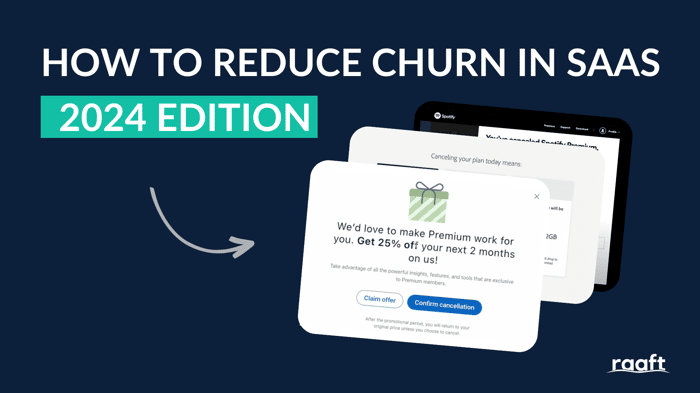
When I'm discussing how to reduce churn in SaaS, it's crucial to emphasize that retaining existing customers is often more cost-effective than acquiring new ones. Churn, the rate at which customers stop using your service, can significantly impact your revenue and growth. Therefore, implementing strategies to minimize churn should be a top priority for any SaaS business.
Understanding How To Reduce Churn In SaaS
If I'm focusing on churn reduction, the first step is to understand why customers leave. Common reasons include poor user experience, lack of value, inadequate customer support, and competitive alternatives. By addressing these issues, you can create a more compelling and sticky product.
My 6 Tips On How To Reduce SaaS Churn
1 - Improve Onboarding Experience
I've always believed that the onboarding experience sets the tone for the customer’s entire journey with your product. A smooth, intuitive onboarding process helps new users quickly realize the value of your service. In my opinion, personalized onboarding, including tailored tutorials and proactive customer support, can significantly reduce early churn.
2 - Monitor Customer Engagement
For me, keeping a close eye on customer engagement metrics is vital. Low engagement often indicates that users are not finding value in your product. From my perspective, utilizing tools like Raaft can help you monitor these metrics effectively. Raaft provides detailed insights into user behavior, allowing you to identify at-risk customers before they churn.
3 - Provide Exceptional Customer Support
Whenever I'm considering churn reduction strategies, I emphasize the importance of exceptional customer support. Prompt, helpful, and personalized support can turn a frustrated customer into a loyal advocate. I recommend investing in a knowledgeable and responsive support team and leveraging support technologies such as live chat and AI-driven FAQs.
4 - Regularly Gather and Act on Feedback
I think you should continuously seek feedback from your customers to understand their needs and pain points. Conducting regular surveys, user interviews, and utilizing feedback tools can provide invaluable insights. I've found that acting on this feedback to improve your product and services demonstrates that you value your customers' opinions, which can enhance customer loyalty.
5 - Offer Flexible Pricing & Contracts
I usually advise SaaS companies to offer flexible pricing plans and contract terms. Customers appreciate having options that fit their budget and needs. Introducing features like monthly subscriptions, usage-based pricing, or discounts for long-term commitments can make your product more accessible and reduce churn.
6 - Foster A Community & Engage With Customers
I like to create a sense of community among users. Building a community through forums, social media, and user groups can foster customer loyalty and provide a platform for users to share their experiences and tips. Engaging with your customers regularly through newsletters, webinars, and events also helps keep your product top-of-mind.
Using Raaft to Minimize Churn
Sure, I’m a little biased but I always recommend Raaft because of its comprehensive approach to churn reduction. Raaft's platform is designed to help SaaS businesses identify at-risk customers and implement retention strategies effectively. With features like automated follow-ups, detailed churn analytics, and personalized retention campaigns, Raaft can significantly enhance your efforts to keep customers engaged and satisfied.
Implementing Data-Driven Retention Strategies
From my perspective, data-driven strategies are essential for effective churn reduction. Utilizing the analytics provided by tools like Raaft, you can segment your customer base, identify patterns, and implement targeted retention efforts. This proactive approach allows you to address issues before they lead to churn.
Final Thoughts
In my opinion, reducing churn in SaaS requires a multifaceted approach. By improving the onboarding experience, monitoring engagement, providing exceptional support, gathering feedback, offering flexible pricing, fostering community, and utilizing tools like Raaft, you can create a loyal customer base. I've found that these strategies not only reduce churn but also enhance overall customer satisfaction and long-term business success.
The best bit? Raaft is free. Use Raaft today to begin reducing SaaS user churn.

Good list — one angle that's often missing from churn reduction guides is involuntary churn (payment failures), which can account for 20-40% of total churn.
The tricky part: unlike voluntary churn, the customer often didn't mean to leave. Their card expired, hit its limit, or the bank flagged a foreign transaction. If you do nothing, Stripe cancels them after a few retries and they quietly disappear — without ever intending to churn.
The fix is simple in theory: reach out immediately after a failed invoice with a direct link to update their payment method, and follow up on Day 3 and Day 7. Most customers who update their card will stay.
What I've found surprising: the timing matters more than the copy. Day 1 recovery emails get ~50% open rates because the failure is fresh in their mind.
Worth adding "monitor and recover failed payments" as tip #7 to this guide — it's the easiest win on this list.
Great insights, Miguel! Your focus on improving onboarding and using data-driven strategies like Raaft hit the mark. Personalized onboarding and proactive customer engagement are game-changers for reducing churn. Thanks for sharing such actionable tips—I'll certainly implement these!
Great piece. The very first step is understanding the reasons for churn.