How to Repurpose Your Blog Posts (6 Powerful Strategies)
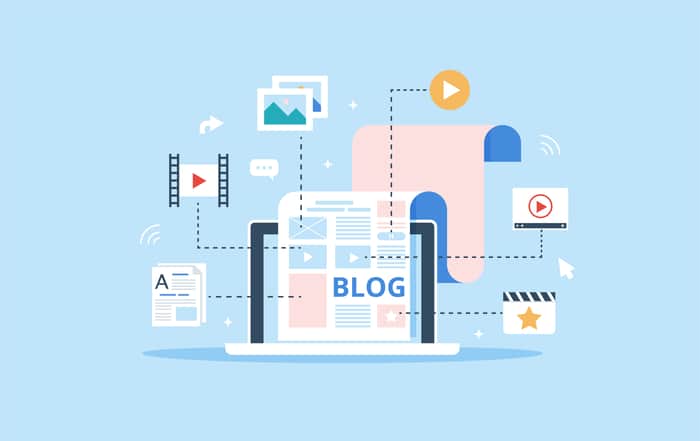
If you're a business owner on a tight schedule (aren't we all!), getting the most out of your content is crucial to your success.
I've done a lot of testing, tracking, and learning over the years, and I've found one sure way to maximize the value of my content, and that strategy is repurposing. Essentially, content repurposing involves taking existing content and remodeling it into new and exciting formats.
When done correctly, this strategy not only breathes new life into your content but also allows you to reach people who may prefer to consume information in different ways. While there are plenty of ways to repurpose all of your marketing content, your blog is the most efficient way to mix up what you've already created and start seeing benefits fast.
Today, I'm going to show you 6 powerful ways I've been repurposing content over the last several years. I'm confident that with the right mindset and drive, you, too, can easily turn your blog into a virtually endless collection of unique and compelling content.
Let's dive in!
Compile Content into Lead Magnets
Lead magnets are valuable resources offered to potential customers in exchange for their contact information, typically an email address. These tools are pivotal in content marketing and can help you grow your email list, which can affect every other aspect of your business.
For context, I currently run over 20 brands, and we use lead magnets on every single one of our sites because they work.
You can find potential lead magnet opportunities within your content by identifying pieces that have performed exceptionally well. Since people are already naturally drawn to this content, it makes sense that switching up how the information is presented can have a noticeable impact on engagement and conversion.
The best way to turn your content into compelling lead magnets is to repackage them into new formats such as eBooks, checklists, or exclusive reports. My advice is to make sure your lead magnets are not just valuable but also concise and easily digestible. Include new insights, images, and other details that make your lead magnet even more impressive than the content it's based on.
Drive Engagement with Email Newsletter Summaries
Next, let's discuss how to adjust your blog posts for newsletters. Email newsletters serve a crucial role in digital marketing because they keep your audience informed, engaged, and interested in what your brand is up to.
In my experience, repurposing posts for newsletters is one of the easiest ways to put a unique spin on your work and drive more traffic to your site. The key lies in effective summarization. Start by trimming your content down to the most interesting points and statistics. This will ensure that the summary captures readers' attention and convinces them to check out the full post.
If you want this strategy to work, personalization is key. Around 80% of shoppers say they're far more likely to engage with an email if the content inside is relevant to their interests. So, make sure to ask your audience what matters to them so you can segment them into a list that aligns with their goals and needs. We do this by asking new subscribers to fill out a brief questionnaire.
Statistics show that 27% of shoppers in the U.S. regularly turn to email newsletters for online shopping suggestions, so don't forget to include an exclusive discount to draw people back to your site.
You can jumpstart your email marketing campaigns by sending a bi-weekly or monthly newsletter where visitors can see what you've recently published on your site.
Create Video Versions of Your Blog Posts
Did you know that 77% of people visit blogs regularly? Imagine boosting those visits by adding videos! Placing a video version of your post at the top can significantly increase dwell time, which will keep readers engaged.
The reason I like this strategy is that videos offer a dynamic way to consume content, which means they appeal to those who prefer watching over reading. So, if someone visits your website and decides they don't have time to read your article, they can choose to listen to a video version instead.
My advice is to start with your most popular blog posts. These articles have already proven their value, making them ideal candidates for video adaptations. We like to take the original article and turn it into a script. The content is a little more conversational and includes extra examples.
Over time, you'll want to come up with a workflow that includes creating videos for each new post. This approach not only diversifies how your content can be consumed but also strengthens your connection with your audience, so don't miss this super-effective repurposing strategy.
Craft Compelling Social Media Threads
Brands across all industries use sites like X (Twitter), Instagram, YouTube, Facebook, and other sites to build rapport with their target audience while boosting brand awareness. If you're not already repurposing your posts for social media, you're missing out on a major marketable moment.
Some of the other tips I'll share below also involve repurposing for social, but for now, let's talk about creating engaging social media threads. Social threads are conversations that take multiple posts to share. They allow you to distill your content into bite-sized, shareable pieces that can generate buzz and keep people interested in what you have to say.
Start by examining your blog posts, pulling key points and statistics out, and arranging them so they flow smoothly and naturally. For example, if you have an article on the best lead generation strategies, you can make a 10-post thread highlighting each tip.
While you're posting, encourage interaction by asking questions or inviting opinions. This sparks dialogue and keeps your audience invested in the conversation.
You may be shocked to learn that 82% of social media marketers repurpose website content. I believe this highlights that there is value out there for everyone on these sites. So, capitalize on this tactic to start saving time, building engagement, and boosting your online presence.
Embrace Webinars and Live Video
Visual content, especially through platforms like YouTube and other video-oriented social sites, offers benefits that are hard to find anywhere else. For one thing, it gives you an opportunity to talk to your audience face-to-face and live. This interaction helps to build social proof, which essentially means people are more likely to trust your brand.
I'm also a big fan of webinars because I think it's a good chance to provide your audience with something of value without asking for anything in return. Once people realize that you genuinely want to improve their lives and aren't constantly going for the hard sell, they're more likely to spend time engaging with your brand.
To convert your written content into captivating videos or webinars:
- Start by identifying the core message and most engaging points of your articles.
- Use these as the foundation for your video script or webinar outline.
- Incorporate stories or case studies to make your content relatable and memorable.
Let's go back to the article on lead generation that I mentioned earlier. A marketer could take that article and turn it into an interactive webinar where they show attendees practical ways to generate leads. Most of the script for this presentation is already in the blog post. So, not only will you save time with this strategy, but you'll also reach people who may have never heard of your brand.
With 91% of marketers reporting an improvement in traffic and 87% witnessing a boost in sales from video content, it's hard to deny the benefits of this content repurposing strategy!
Educate with Online Courses
If going live feels daunting, diving into the world of online courses is another video option that's a little more easygoing. You don't need to worry about putting on a show in front of people in real-time. Instead, you'll record your videos and organize them into one (or many) online courses.
Under the right circumstances, online courses are fantastic for distilling your expertise into structured, digestible content, which will allow your audience to learn at their own pace.
To repurpose your content into online courses, start by grouping your posts or articles by theme. For example, if you run a marketing blog, pull all of your best articles on email marketing. Each theme can serve as a course module, where you delve deeper into the subject, offering actionable advice, practical exercises, and real-world examples.
I suggest including quizzes with your courses to make them both more educational and engaging. You can also incorporate other interactive elements like downloadable resources and forums for discussion.
By transforming your existing content into online courses, you not only reinforce your position as an industry expert but also offer valuable knowledge in a way that's structured, accessible, and engaging.
Conclusion
As you can probably tell by now, there are a ton of ways to repurpose your blog posts into interesting, engaging new content. The strategies outlined above have helped us grow multiple brands over the last decade. I believe if you're willing to adopt these tips into your marketing plan, you'll begin to see a steady increase in traffic, engagement, subscribers, and, before long, sales.

Absolutely, Syed, your approach to repurposing content is spot-on. From running a design agency, I've found that people invest in solutions that save time or money, so content that meets these needs can greatly simplify marketing and boost engagement. Your strategies for adapting content into various concise and actionable formats are sure to maximize reach and impact.