How to Start a Skincare Business: A Founder's Step-by-Step Guide
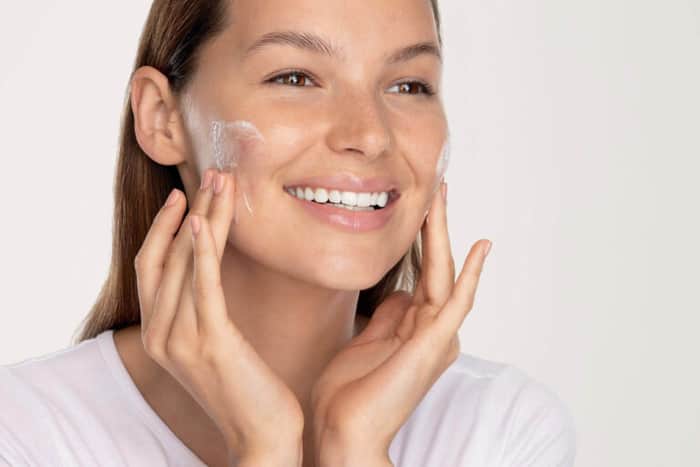
To start a skincare business in 2026: pick a specific niche, validate demand with paying customers before mass production, follow labeling and safety regulations, decide between handmade and contract manufacturing, build consistent branding, price for profit, and grow through content and community. Start small and let reputation compound.
Skincare is one of the most resilient consumer categories people buy soap, cleanser, and moisturizer through every economy. That makes it attractive to founders, but it's also crowded. The brands that break through in 2026 aren't the ones with the biggest budgets; they're the ones with a sharp niche, a real story, and disciplined execution.
Is Starting a Skincare Business Worth It in 2026?
Yes skincare remains a large, steadily growing market with strong repeat-purchase behavior. But success depends on differentiation. Generic products fail; focused brands solving a specific problem for a specific customer win.
Why Should You Start With a Niche, Not a Product?
The biggest mistake new founders make is trying to serve everyone. "Skincare for all skin types" is invisible. "Handmade soaps for sensitive, acne-prone skin" is a business. A tight niche makes your marketing cheaper, your messaging clearer, and your first hundred customers far easier to find.
How Do You Validate a Skincare Idea Before Investing?
Confirm people actually want what you're making before spending on inventory:
- Sell small test batches at local markets
- Run a pre-order page
- Offer samples to a target group and collect honest feedback
Validation isn't a compliment from a friend it's a stranger paying money. Learn from brands that started small and grew on reputation; Ghar Soaps, for instance, built a following around natural, handmade formulations for specific skin concerns before expanding. Studying how sellers position themselves on marketplaces like Zillybuy is a fast, free way to understand what resonates.
What Regulations Do Skincare Businesses Need to Follow?
Skincare is regulated, and ignoring that can sink you. Depending on your market you'll need to follow labeling laws, ingredient safety rules, and possibly product registration or safety assessments. Document your formulas, batch numbers, and suppliers from your very first sale it's far cheaper than a recall later.
Should You Make Products Yourself or Use a Manufacturer?
Both are valid it depends on your stage:
- Handmade: cheap, flexible, fast to iterate, and gives you a story and better margins
- Contract manufacturing: consistency and scale for higher volume
Just know which stage you're in and don't scale faster than your quality control can handle.
How Important Is Branding and Packaging in Skincare?
In skincare, packaging is the product experience. Your label, ingredients story, and visual identity sell before anyone feels the product. Bootstrappers don't need expensive design they need consistent design and a clear promise. Decide what you stand for (natural ingredients? sensitive skin? sustainability?) and repeat it everywhere.
Where Should You Sell Your Skincare Products?
You have three broad channels:
- Your own store best margins and customer data
- Marketplaces built-in traffic and trust
- Local retail and markets community and direct feedback
Most successful small skincare brands use a mix a home base you own, plus marketplace reach for discovery.
How Do You Price Skincare Products for Profit?
Price for profit, not just to compete. Calculate your full cost ingredients, packaging, labor, shipping, fees then set a price that leaves healthy margin for marketing and growth. Underpricing is a common bootstrapper trap; premium, natural positioning can support premium pricing if your branding backs it up.
How Do You Market a Skincare Brand on a Small Budget?
You don't need big ad spend to start:
- Show your process and teach skincare basics
- Share real customer results and before-and-afters
- Publish ingredient explainers and honest reviews
- Encourage early customers to share their experience
Word of mouth is the most powerful and cheapest growth channel in skincare.
How Do You Manage Cash and Inventory?
Physical products tie up cash in stock. Order conservatively, track what sells, and reinvest profits rather than over-ordering on hope. Cash-flow discipline is what keeps a bootstrapped product business alive through its first two years.
Frequently Asked Questions
How much does it cost to start a skincare business?
You can start small handmade batches and a simple online store can launch on a modest budget. Costs rise with manufacturing, certifications, and inventory as you scale.
Do I need certifications to sell skincare?
It depends on your region, but most markets require compliant labeling, ingredient safety, and sometimes product registration. Research your local rules before selling.
What's the most profitable skincare niche?
Niches solving a specific problem sensitive skin, acne, natural/organic, or clean ingredients tend to command loyalty and higher margins than generic products.
How do skincare brands get their first customers?
Through validation channels: local markets, samples, social content, and marketplaces. Early reviews and word of mouth drive the first hundred sales.
Key Takeaways
Starting a skincare business in 2026 comes down to focus and execution: pick a real niche, validate with paying customers, respect regulations, build a consistent brand, price for profit, and grow through content and community. Start small, keep quality high, and let reputation compound.
