How to Stay Safe in Online Dating: A Practical Guide for US Users
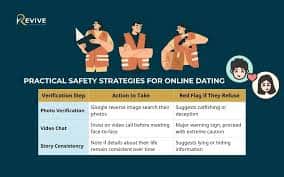
Online dating has become an integral part of modern relationships, especially in the US. While it offers exciting opportunities to meet new people, it also comes with risks, including scams, fake profiles, and deceptive behavior. Navigating this digital dating world safely requires awareness, practical strategies, and the right verification tools.
In this guide, we’ll walk you through essential steps to protect yourself, along with a practical tip to verify online profiles with Teachecker.
Why Online Dating Safety Matters
Online dating provides convenience and accessibility, but the anonymity of the internet can attract bad actors. Fake profiles, phishing attempts, and even identity theft are real threats. For example, in 2022, the Federal Trade Commission reported that Americans lost over $600 million to online romance scams.
Being cautious doesn’t mean you can’t enjoy online dating—it simply means using the right strategies to stay protected.
Practical Tips for Safe Online Dating
1. Verify Profiles Before Engaging
One of the simplest ways to protect yourself is by verifying who you’re talking to. Tools like Teachecker allow users to check the authenticity of profiles, ensuring you’re not engaging with someone using fake information. Before meeting anyone in person, take a moment to verify their online presence. It can save you from potential scams or unsafe encounters.
Real-Life Tip: If someone claims to work for a company, try searching their name and workplace online. Inconsistencies are red flags.
2. Keep Personal Information Private
Avoid sharing sensitive information like your home address, financial details, or personal ID numbers. Even seemingly harmless information, such as your workplace or vacation plans, can be used to manipulate or scam you.
Example: One user shared their vacation dates on a dating app, only to later receive phishing emails claiming to be from the hotel they were staying at. Simple caution could have prevented this.
3. Use Safe Communication Channels
Whenever possible, keep conversations within the dating platform until trust is established. Avoid moving to personal messaging apps too quickly, as this reduces the platform’s ability to monitor suspicious activity.
4. Watch Out for Common Red Flags
Certain behaviors often signal potential scams or deceit:
Rapid declarations of love or intense emotional attachments early on.
Requests for money or financial help.
Inconsistent stories or refusal to meet via video call.
If you notice these warning signs, proceed with caution or end the communication.
5. Meet in Public Places
When transitioning to an in-person meeting, always choose a public location. Inform a friend or family member about your plans and consider using ride-sharing services instead of going alone.
Pro Tip: Arrange your first few dates in familiar areas, such as a coffee shop or busy park, to minimize risk.
How Teachecker Can Make a Difference
Verification tools like Teachecker play a crucial role in today’s dating environment. By checking the authenticity of profiles, you can reduce exposure to scams and deceptive behavior. It’s not just about avoiding danger—it’s about gaining peace of mind and enjoying dating with confidence.
Using Teachecker is simple: enter the profile details, and the tool provides insights to verify legitimacy. Many US users have found this step helpful, giving them an extra layer of security before forming deeper connections.
Final Thoughts
Online dating doesn’t have to be risky. By following these tips—verifying profiles, protecting personal information, communicating safely, and meeting in public—you can navigate the dating world confidently. Tools like Teachecker provide practical support, making your online experience safer and more enjoyable.
Remember, vigilance and smart choices are your best allies in building meaningful, authentic connections online.


One of the most interesting things about modern dating apps is how much of the ecosystem now revolves around safety, verification, filtering, catfishing prevention, etc.
Feels like a sign that digital dating created incredible access, but also a pretty deep trust deficit at the same time.