How to write magic copy that converts (without being a copywriter)
Good website copy is smart, it explains well. Great website copy is magic, it sells for you.
You’re probably good, but let’s make your website copy great.
"Make it simple. Make it memorable. Make it inviting to look at. Make it fun to read." said Leo Burnett, the namesake founder of the biggest creative agency in the world.
Here's the thing: website copy should be about guiding your visitors towards a specific goal, whether it's signing up for your newsletter, downloading an ebook, or making a purchase.
Let's break it down step-by-step:
1. Know your audience
Before you write a single word, you need to understand who you're writing for.
- Who is your customer? (think pain points, desires, motivations)
- Where do they hang out online? (think what kind of language the use)
- What are their objections to buying your product or service? (barriers to purchase)
The more you know here, the better you can tailor your copy to resonate with them.
Pro Tip: Trial & error is a waste of time and dollars. Get user research done for you. Use people.fish or saasup.agency (only for SaaS).
2. Craft and nurture your headline
Your headline is the first (and sometimes only) thing people will read. It needs to grab their attention and make them want to learn more.
Here are a few formulas to think:
a. Problem/Solution: "Struggling with [problem]? [Your product] can help."
b. Benefit-Driven: "Get [benefit] with [your product]."
c. Question: "Are you tired of [problem]?"
d. Intriguing Statement: "The future of [industry] is here."
Example:
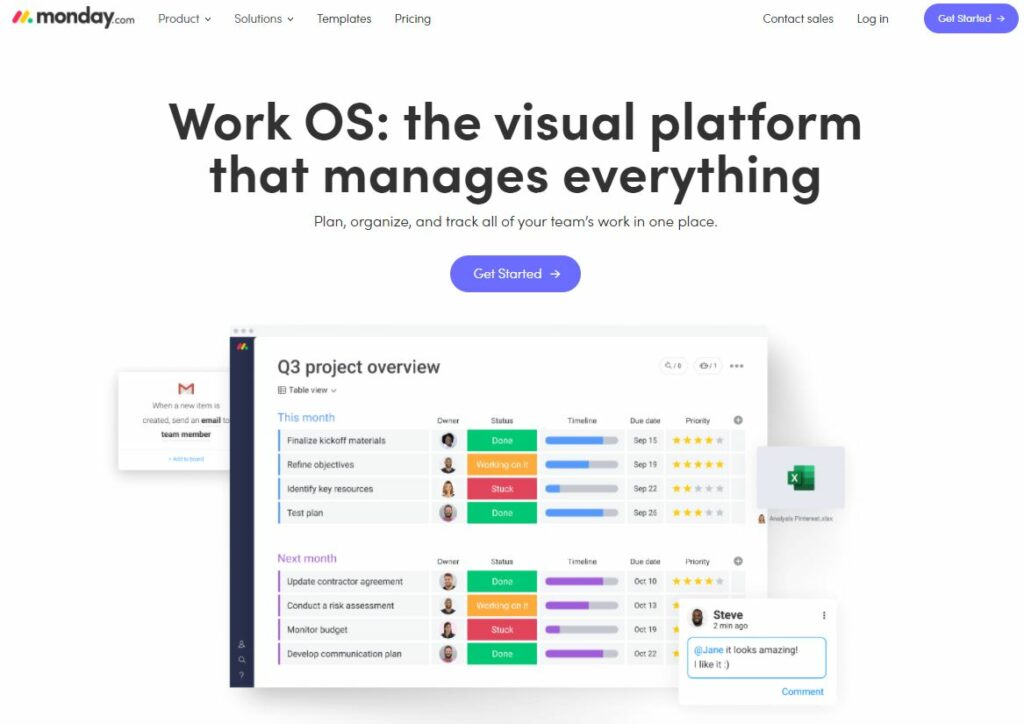
Instead of: "Introducing our new project management software"
Try: "Finally, a project management tool that actually makes your life easier."
3. Don't neglect Subheadings
Subheadings are explainers that also break up your text. Making your website easier to scan. Always reinforce your headline and provide context to the reader.
Pro Tip: Use numbers or factual claims to make your subheadings stand out.
4. Think benefits over features
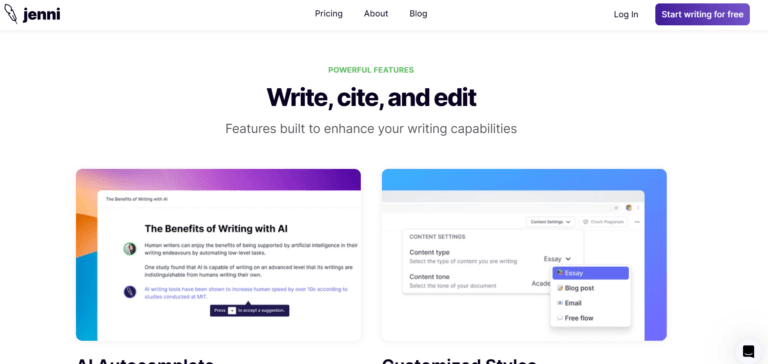
Hard pill to swallow but people don't care about your product's features. They care about what it can do for THEM.
Example:
Instead of: "Our software has a built-in calendar and task manager."
Try: "Never miss a task, or a meeting. Always on time."
5. Re-think your CTAs
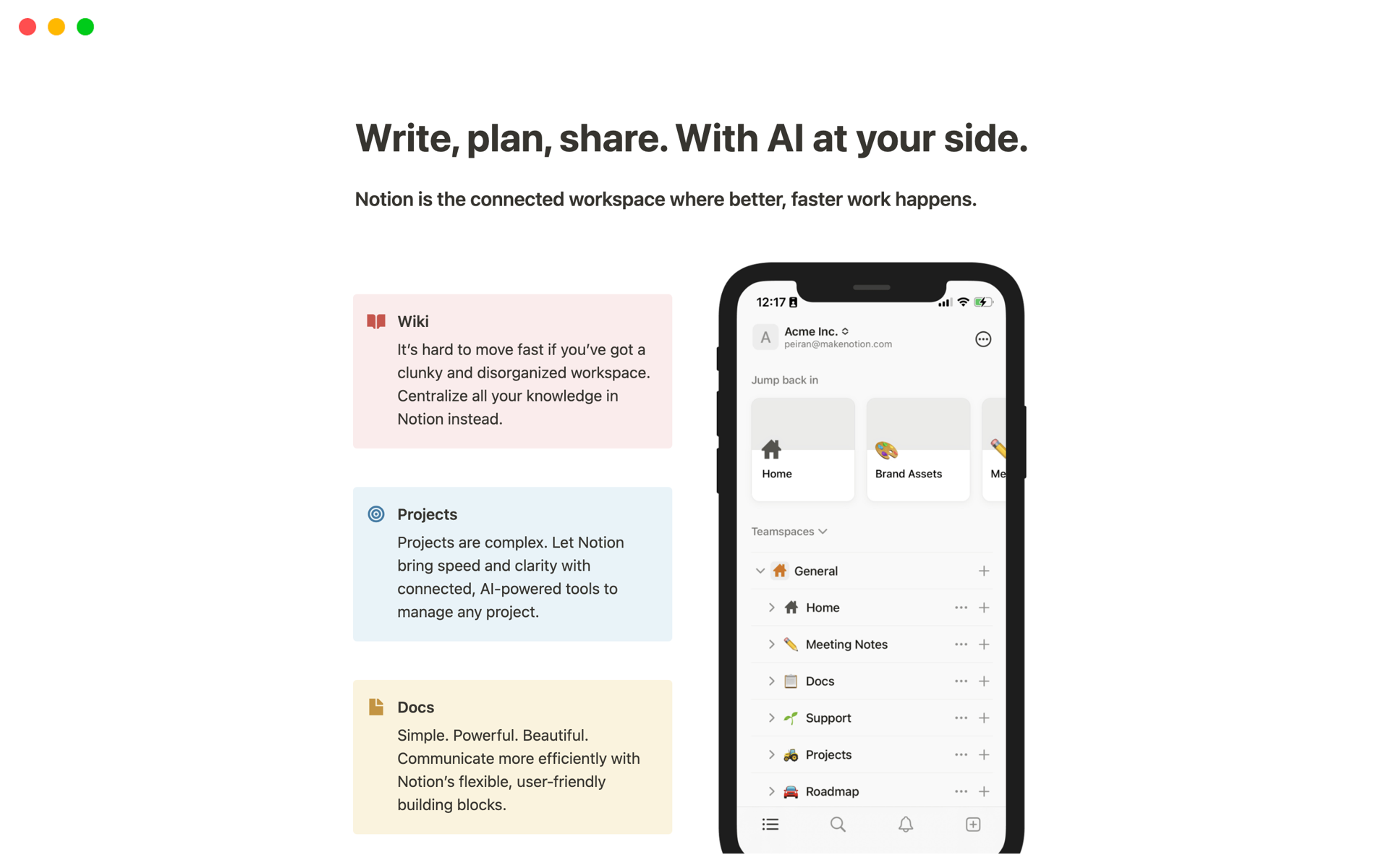
Action is important, but a call to value converts even better.
Instead of: "Try KrispAI" try "Remove Background Noise"
Pro Tip: Identify the biggest barrier for action at the CTA, then add surrounding text to counter the barrier to clicking (e.g. Take a Test Drive CTA followed by No documents required)
6. Make A/B tests your best friend
Any marketer who tells you they know what’s best is lying to you. Always go for marketers who want to A/B test everything.
a. Test your headlines, subheadings, calls to action, and even your images.
b. Use tools like Google Optimize or Optimizely to run your tests.
c. Analyze your results and make data-driven decisions.
7. KISS - Keep it simple, stupid
For the love of god, avoid jargon as if your life depends on it. Think of all the reasons a visitor came to your website and did not buy from you. You don’t want “big, fancy words were intimidating” to be on there, do you?
So, I repeat, avoid jargon, technical terms, and long, convoluted sentences. Your copy should be easy to read and understand.
Pro Tip: Read your copy out loud to make sure it flows naturally. Or rap it?
8. Remember, rules are made to be broken
Oftentimes, the best copywriting breaks the rules.
Experiment with different styles. But never compromise on a high conversion rate.
If copywriting seems hard, do not waste thousands on ChatGPT prompt writers. Spend 60 minutes with a copywriter on Unstuckd.com - bring them through your website, tell them what you know, watch them create magic in front of you.
Phew, I wrote my heart out - thanks for reading you smart fellas!
For quick marketing tips or my rants about indiehackers, follow me on X @stratgmate
