How Trichoderma harzianum Protects Tomato Plants from Fusarium Wilt Disease
Crisis in the Tomato Fields
Fusarium wilt disease has been causing devastating fields over the years in the midst of a large tomato-producing area. The farmers would find their formerly healthy green plants wilting, turning yellow and collapsing abruptly and the roots have brown streaks all over them. However hard it was working, the fungicide spray and the resistant tomatoes, tomato production dropped, and the money earned in the area dropped. This country-dwelling foe claimed the lives of many families who lost whole seasons.
The magnitude of the crisis overwhelmed them; some growers approached agricultural extension officers and crop researchers in a bid to get a long-term solution to the fusarium wilt control. Their discussions were all shortly narrowed down to one good line of prospect: biological control by powder of Trichoderma harzianum and more advanced formulations that would not damage the soil or the crop, and would outwit the pathogen.
Learning to live with the Enemy: Fusarium Wilt in Tomatoes
Fusarium wilt, which is a disease caused by Fusarium oxysporum f. sp. lycopersici, is insidious as it propagates by soil and water and introduces infection into tomato roots and plugs into the vascular system of the plant. The results? Slow growth, yellowing of leaves, patchy drying and quick death of the plants. Chemical fungicides and resistant ones are often not enough; the fungus becomes adapted, and residues have got consumer and regulatory problems.
That made innovators and farmers with an organic mind inquire: Is there a better and more sustainable solution that nature can offer?
The Biocontrol Science: Trichoderma harzianum in Practice
Research in the field of biocontrol has shown that Trichoderma harzianum is not any other good fungus, it is a potent enemy in the struggle against plant pathogens such as Fusarium. When used as a powder as trichoderma harzianum or a drench of the soil, it inhabits the root surface and surrounding soil of the root zone.
Here’s how it works:
• Direct Antagonism: The trichoderma harzianum secret triggers the enzymes and secondary metabolites that destroy the cell walls of Fusarium and inhibit its infection and spread.
• Competition between Nutrients and Space: The healthy fungus grows very quickly and easily fills the root zone displacing Fusarium.
• Induced Systemic Resistance: When it is developed, Trichoderma activates the immune system of a tomato plant and, as a result, it becomes more difficult to attack by Fusarium and other pathogens.
Lab to Farm: HarzShield in Play
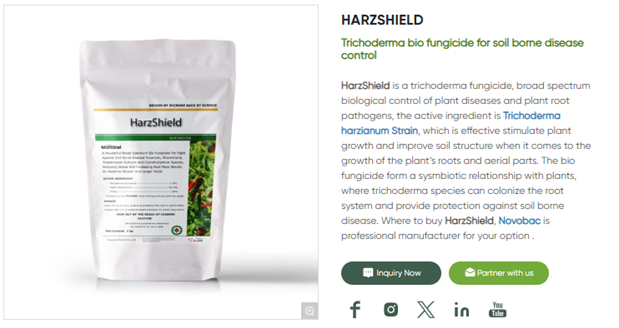
HarzShield is one of the dominant commercial biofungicides that are of interest. It has a powerful, highly-active strain of Trichoderma harzianum, which is specifically designed to be used in the field consistently. This Trichoderma fungicide for soil disease control is available as a convenient wettable powder which can be incorporated into the mix and drenched at the time of planting or at the important growth stages.
The disease symptoms are reduced significantly when HarzShield is applied but overall plant vigor, fruit set and yields were enhanced significantly compared to controls which were not treated.
A Farmer Story: Fighting the Rut of Grief
Rajesh is a second generation tomato farmer who tells how biocontrol has boosted his farm:
Last year Fusarium killed almost a half. The soil had been diseased so much that no chemical could match. Following the advice of our extension officer, I began using Trichoderma harzianum, first in a crude homemade powder and then in HarzShield. The transformation was drastic, wilt was held back, plants recovered, and I was now able to produce a healthy, salable crop.
Trichoderma Products to control Fusarium Wilt
Preparation: Shake trichoderma harzianum powder or HarzShield with clean water, according to label rates.
• Use: To apply at transplantation or to the established tomatoes, place the product in irrigation water.
• Best Practices: Co-compost, resist the use of harsh chemical fungicides, which may kill beneficial microbes, and plant the soil with cover crops to enhance the health of the soil.
• Continued Application: Use when the crops are at important developmental stages and immediately after the heavy rains since they are the most favorable times when Fusarium spreads.
Better Benefits and Long-lasting Prosperity
Biocontrol using fungicide trichoderma does not reduce fungal plants such as Fusarium, but also enhances root condition, soil condition and general plant defiance as opposed to chemical fungicides. Greener foliage, reduced cases of disease outbreak, and even the enhanced resistance to other soil pathogens are reported by farmers.
Importantly, such products as HarzShield are listed in the OMRI and will fit perfectly in the organic and integrated production systems, helping to ensure profitability in the long term and the demand of consumers towards the residue-free products.
Conclusion: Biological Control to Go
It is apparently working where old remedies have failed by the adoption of trichoderma harzianum powder or developed fungicide trichoderma preparations and the solution of the Fusarium wilt problem is being achieved where none among the old methods was working. HarzShield with the help of field research and true stories of farm recovery is the first to introduce the healthier and more resilient way of growing tomatoes. Growers who want to avoid the Fusarium cycle should not see biocontrol as a fad, it is the success of nature using its own means.
