How We Built a Matter-Powered Cold Storage Monitoring System to Prevent Costly Inventory Loss
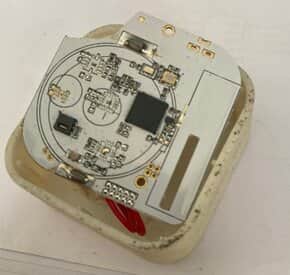
Cold storage failures are expensive.
During this world there was a problem of whether or not the weather was hot and cold. A small temperature deviation can spoil food inventory, damage pharmaceutical products, and create compliance issues worth thousands of dollars. There was a big problem with temperature monitoring and lack of problems faced by cooking industries and food industries. Most facilities still rely on manual checks or legacy monitoring systems that often fail to provide real-time visibility.
We recently built a Cold Storage Monitoring System using Matter Protocol and ESP32 hardware to solve this problem. This system is only built for monitoring temperature like cold temperature. This system is able to send alert SMS in user devices when the cold temperature is not set in the temperature limit.
The Problem
Our client needed:
- Real-time temperature monitoring
- Humidity tracking
- Instant alerts for threshold breaches
- Remote dashboard access
- A scalable solution for multiple cold storage units
- Vendor-independent architecture
Traditional systems were expensive, fragmented, and difficult to scale.
Our Approach
Instead of building another proprietary IoT platform, we chose Matter Protocol.
Matter provides:
- Cross-platform interoperability
- Secure device communication
- Vendor independence
- Future-proof architecture
- Easier integration with existing IoT ecosystems
The system continuously monitors environmental conditions and immediately alerts operators when readings move outside safe operating ranges.
Tech Stack
- Hardware
- ESP32
- Temperature Sensors
- Humidity Sensors
- Custom Embedded Firmware
Software
- Matter Protocol Stack
- Cloud Dashboard
- Alert Management System
- Data Logging & Analytics
Connectivity
- Wi-Fi
- Matter Communication Layer
- Remote Monitoring Infrastructure
Key Features
- Real-time temperature monitoring
- Humidity tracking
- Instant threshold alerts
- Remote dashboard access
- Historical data logging
- Multi-device synchronization
- Warehouse-scale deployment support
The platform was designed to scale from a single storage room to large warehouse deployments.
Results
https://youtu.be/RG6idFNABHE
The final system delivers:
- Continuous environmental monitoring
- Faster incident response
- Reduced spoilage risk
- Improved compliance reporting
- Real-time operational visibility
Temperature deviations that previously went unnoticed for hours can now trigger alerts within seconds, allowing operators to act before inventory is damaged.
Lessons Learned
One of the biggest takeaways was that interoperability matters just as much as sensor accuracy.
By using Matter instead of a proprietary protocol, the system remains flexible, scalable, and easier to integrate with future smart building and industrial IoT infrastructure.
What's Next?
We're exploring:
- Predictive maintenance
- AI-based anomaly detection
- Energy optimization
- Expanded cold-chain analytics
Building real-world IoT systems is rarely about flashy hardware. It's about solving expensive operational problems with reliable technology.
If you're developing industrial IoT products, connected sensors, or smart monitoring systems, working with an arduino programmer can significantly reduce development time, improve hardware reliability, and accelerate deployment of custom embedded solutions.
Organizations looking to build reliable IoT and monitoring solutions can benefit from working with a hire arduino programmer to accelerate development, improve system reliability, and reduce time-to-market.
