How WebAR Is Transforming Modern Marketing Campaigns
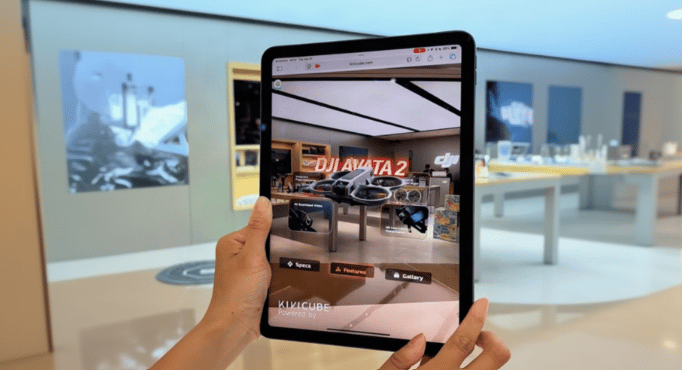
The way people interact with brands is changing rapidly. Traditional advertising methods can still generate awareness, but modern audiences increasingly expect interactive, personalized, and memorable experiences. This is where WebAR is creating new opportunities for businesses. By combining augmented reality with the accessibility of web technology, brands can give customers immersive experiences without requiring them to download a dedicated mobile application.
Web-based augmented reality allows users to access interactive 3D content and virtual experiences directly through a web browser. A customer can simply scan a QR code, click a link, or open a compatible webpage to begin an AR experience. This reduced friction makes the technology particularly attractive for marketers looking to engage audiences across digital and physical channels.
What Is WebAR?
WebAR refers to augmented reality experiences that operate through a web browser rather than requiring users to install a separate application. It can work across smartphones, tablets, and other compatible devices, making AR more accessible to a broader audience.
For brands, this accessibility is one of the biggest advantages. An app-based AR experience may require customers to search for an application, download it, create an account, and grant permissions before they can interact with the content. Each additional step creates an opportunity for users to abandon the experience.
With WebAR, businesses can make the process much simpler. Users can move from a marketing message to an interactive experience in just a few moments. This can be especially valuable for campaigns designed to capture attention quickly, such as product promotions, packaging activations, retail displays, events, and social media campaigns.
Why Interactive Experiences Matter
Consumers encounter countless advertisements every day. As a result, simply presenting another static image or promotional message may not be enough to create a lasting impression. Interactive experiences encourage users to participate rather than passively consume information.
AR can allow customers to visualize products, explore virtual environments, interact with branded objects, discover additional information, or experience creative storytelling. Instead of merely telling customers why a product is interesting, brands can allow them to experience that message.
This interaction can also strengthen brand recall. When customers actively engage with a campaign, the experience can become more memorable than a conventional advertisement. The combination of visual content, movement, and user participation gives marketers additional ways to communicate their message.
WebAR and Product Visualization
One particularly useful application of WebAR is product visualization. Businesses can use augmented reality to help customers understand what a product could look like in their own environment.
For example, a furniture company could allow shoppers to preview a virtual chair or table inside their home. A beauty brand could provide an interactive way to explore different product options. Retailers could use AR to display additional product information when customers scan packaging or promotional materials.
These experiences can help bridge the gap between online browsing and physical product interaction. Customers gain more information before making a purchasing decision, while businesses can create a more engaging path to conversion.
The Growth of Augmented Reality Marketing Campaigns
As AR technology becomes more accessible, marketers are finding creative ways to integrate it into broader promotional strategies. Successful augmented reality marketing campaigns can connect physical advertising with digital experiences, creating a seamless journey between the two.
A printed poster, product package, business card, billboard, or retail display can become an entry point to an interactive digital experience. A simple QR code can invite users to scan and discover AR content, transforming an otherwise static marketing asset into something dynamic.
AR can also support event marketing. At conferences, exhibitions, and product launches, brands can use interactive experiences to attract visitors and provide memorable demonstrations. These experiences can encourage people to spend more time engaging with a brand and can create opportunities for social sharing.
Making AR Campaigns More Accessible
One of the most important considerations for marketers is ease of use. Even an impressive AR experience may struggle to perform if customers find it complicated to access.
WebAR addresses this challenge by reducing the technical barriers associated with traditional app-based experiences. Marketers can focus on creating a simple customer journey: attract attention, provide an easy entry point, deliver an engaging experience, and guide users toward the next action.
However, accessibility should remain a priority throughout campaign development. AR content should load efficiently, work well on supported devices, and provide clear instructions. The experience should also offer genuine value rather than using augmented reality simply because the technology is available.
The Future of WebAR Marketing
As digital marketing continues to evolve, immersive technologies are likely to become increasingly important. WebAR gives brands a practical way to experiment with augmented reality while keeping the customer journey relatively simple.
The technology can support everything from product demonstrations and interactive packaging to experiential advertising and virtual storytelling. More importantly, it allows marketers to rethink how customers interact with campaigns. Instead of treating advertising as a one-way communication channel, brands can create experiences that invite customers to participate.
For businesses looking to differentiate themselves in competitive markets, WebAR represents an opportunity to combine creativity, technology, and accessibility. When thoughtfully designed, browser-based AR can turn ordinary marketing touchpoints into engaging experiences that customers remember.
The most effective campaigns will ultimately be those that put the audience first. Technology alone does not guarantee engagement. The strongest WebAR experiences will use augmented reality to solve a customer need, communicate a compelling story, or make an interaction more useful and enjoyable. As brands continue exploring these possibilities, WebAR is positioned to become an increasingly valuable part of the modern digital marketing toolkit.

