Hydradermabrasion Compares with Microdermabrasion | How Each Treatment Works
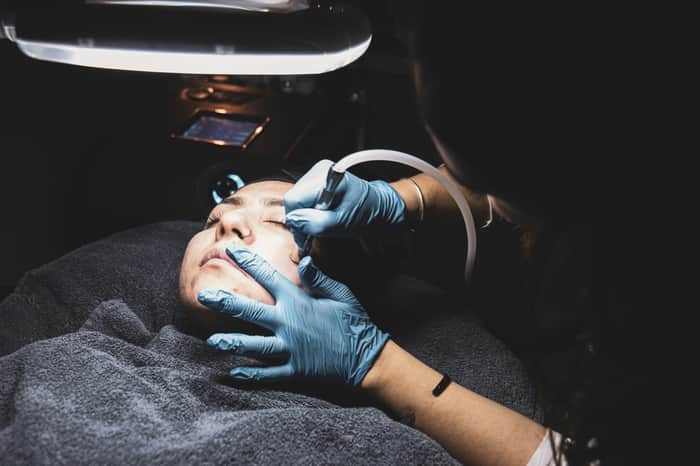
Choosing a skin treatment can feel overwhelming, especially when two options sound almost identical. Hydradermabrasion and microdermabrasion are both popular facial treatments, both work on the skin's surface, and both promise smoother, cleaner skin. But they are actually quite different in how they work and what they deliver. When hydradermabrasion compares with microdermabrasion, the gap between the two becomes easy to understand once you know the basics.
What Is Microdermabrasion?
Microdermabrasion is one of the most well-known skin treatments in the beauty industry. It has been around for decades and has helped millions of people improve their skin texture and tone.
The treatment uses a handheld device with either a diamond-tipped wand or tiny crystals to physically scrub away the outer layer of dead skin. At the same time, a suction mechanism pulls the loosened debris away from the skin.
It is a purely mechanical process. No serums, no moisture, no added ingredients. Just controlled exfoliation that removes dull, dead skin cells and encourages the skin to renew itself.
Who It Works Best For
Microdermabrasion suits people with oily skin, mild sun damage, uneven texture, or superficial acne scars. It is also good for congested pores and dull-looking skin.
However, because it uses physical abrasion, it can feel slightly harsh. People with sensitive or dry skin sometimes find it uncomfortable, and the skin can feel tight or look a little red for a day or two after the treatment.
What Is Hydradermabrasion?
Hydradermabrasion is a newer and gentler approach. It takes the core idea of exfoliation and builds on it by adding hydration and nourishing serums at the same time.
The device uses a spiral-shaped tip that exfoliates the skin while simultaneously infusing it with water and active ingredients. These ingredients can include hyaluronic acid, antioxidants, or targeted serums chosen based on your skin type and concerns.
So instead of just removing dead skin, hydradermabrasion also feeds the skin while cleaning it. That combination is what makes it feel so different from traditional microdermabrasion.
Who It Works Best For
Hydradermabrasion is suitable for almost every skin type, including sensitive and dry skin. Because it adds moisture during the treatment rather than stripping the skin, most people leave with skin that feels soft, plump, and refreshed rather than raw or tight.
It works well for dehydration, fine lines, uneven tone, oily and acne-prone skin, and general dullness. The results are often visible after just one session.
How the Two Treatments Differ
The most important difference is simple. Microdermabrasion only removes. Hydradermabrasion removes and replenishes.
Microdermabrasion is more aggressive and better suited to people who need stronger exfoliation or have tougher, oilier skin. It can deliver solid results for surface-level concerns but it does come with a short recovery period.
Hydradermabrasion is gentler, more comfortable, and suitable for a wider range of people. Because it hydrates the skin during the process, there is little to no downtime and most people can go about their day immediately after.
In terms of cost, microdermabrasion tends to be slightly more affordable. Hydradermabrasion can cost a little more because of the serums and the technology involved, but many people feel the added comfort and hydration make it worth it.
Which One Should You Choose?
It really comes down to your skin type and what you are trying to achieve.
If your skin is oily, thick, or resilient and you want a straightforward exfoliation treatment, microdermabrasion is a solid option. If your skin is sensitive, dry, or combination and you want both cleansing and hydration in one go, hydradermabrasion will likely suit you better.
The best advice is always to speak with a qualified skin therapist before booking. They can look at your skin, understand your goals, and recommend the right treatment for you.
Both treatments have their place, and both can deliver real results when used correctly. Knowing the difference between these two options puts you in a much better position to make the right choice. So before you book your next facial, take a moment to consider what your skin actually needs — because when hydradermabrasion compares with microdermabrasion side by side, the right answer for your skin becomes a lot clearer.
