Hydraulic Shop Presses: Heavy Pressing Power for Australian Workshops
A Tool for the Toughest Pressing Jobs
In engineering shops, mines, and heavy vehicle workshops across Australia, some jobs simply demand enormous, controlled force. Pressing a bearing onto a mining truck axle, straightening a bent shaft, or removing a seized bush is beyond hand tools and even beyond many smaller presses. A 150 tonne electric hydraulic shop press delivers that force with precision, and an electric pump removes the slow, tiring work of hand pumping. Understanding how the press works helps an operator use it safely and get accurate results.
How a Hydraulic Shop Press Works
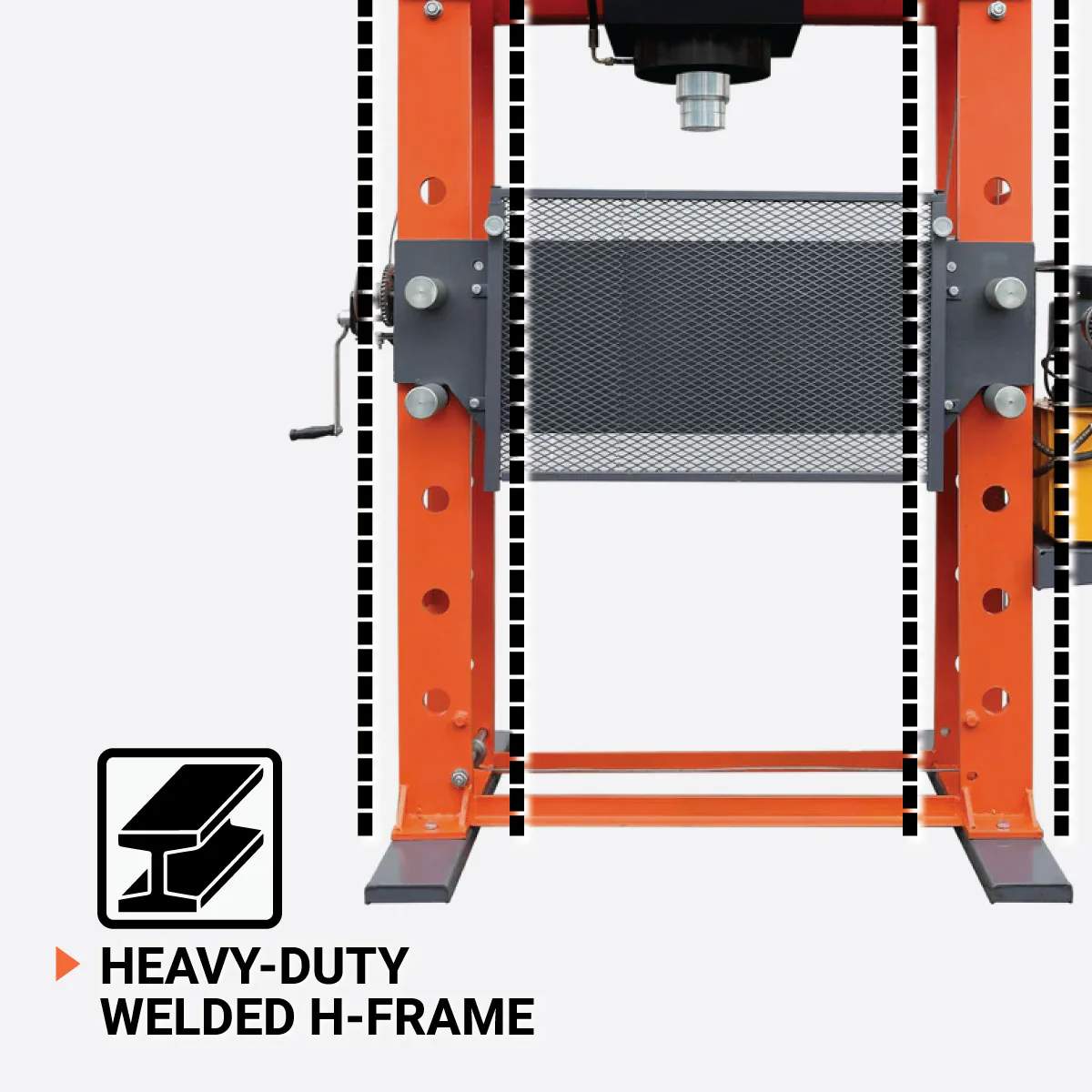
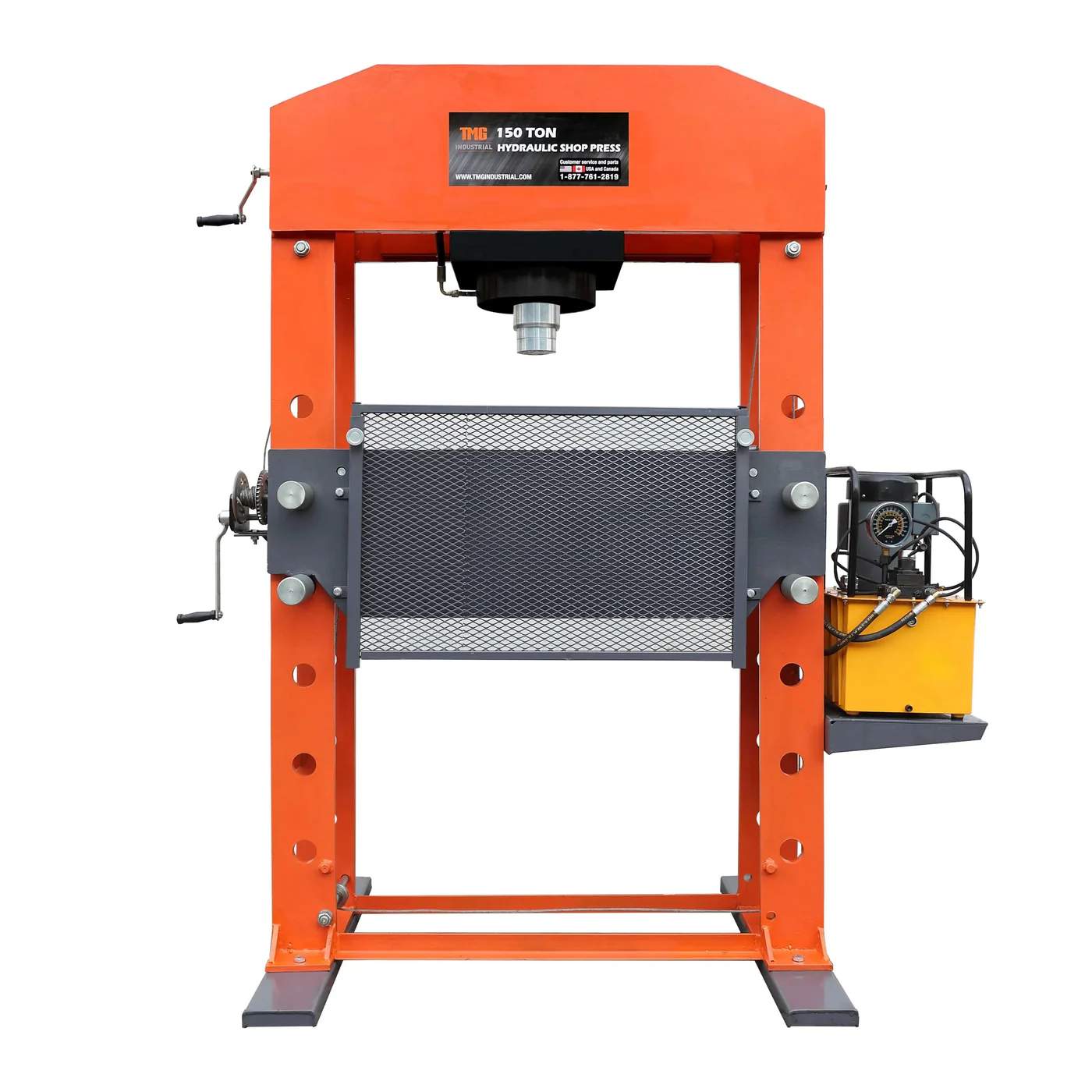
A shop press uses hydraulics to multiply force. An electric pump drives oil into a large cylinder, and because the trapped oil cannot compress, it pushes a ram down onto the workpiece with tremendous, steady force. The frame, a heavy welded steel structure, resists that force and holds the work between the ram and a movable bed. On a press of this capacity, an electric pump supplies the volume of oil needed to drive the ram quickly and to hold pressure without the operator labouring at a handle.
The bed height adjusts to suit the workpiece, and the ram is positioned over the point where force is needed, so the press can handle anything from a small bearing to a large structural component within its capacity.
Efficiency, Safety, and Control
The value of a heavy press lies in controlled force, not just raw power. Several factors decide how well it performs:
A frame rated well above the working load for safety
An electric pump sized to drive the ram efficiently
A pressure gauge to apply force precisely and avoid damage
Proper support and alignment of the workpiece on the bed
Adequate stroke and daylight for the components being pressed
A heavy vehicle workshop near Newcastle pressing worn bushes from a suspension component applies force gradually, watching the gauge, so the part moves under control rather than letting it release suddenly under load. Reading the gauge also tells the operator when something is wrong, because a part that will not move under expected pressure usually points to a seized fit or a misaligned setup that should be corrected before more force is added.
Safe Operation and Maintenance
The forces a press generates are dangerous if mishandled. A short routine keeps the work safe:
Wear eye protection, as parts can shatter or fly under load
Use a press guard or shield where one is fitted
Centre and support the workpiece before applying force
Stay within the rated capacity at all times
Inspect the pump, hoses, and seals for leaks regularly
What Buyers Should Weigh
Selecting a shop press is a value decision. Buyers should match the tonnage to the heaviest work they expect, confirm the frame and bed suit the size of their components, and look for an electric pump and a reliable gauge for controlled work. Build quality at the frame welds and cylinder determines service life, and local support within Australia shortens downtime when a repair cannot wait.
Where Workshop Equipment Is Heading
As Australian industry maintains an ageing fleet of heavy machinery and equipment, powerful, precise presses remain essential to repair and rebuilding work. Matched to the workload and used with care, a heavy hydraulic press earns its place among the broader range of workshop machinery that operators across the country rely on.

