I almost sued someone. Here's what it taught me about contracts.
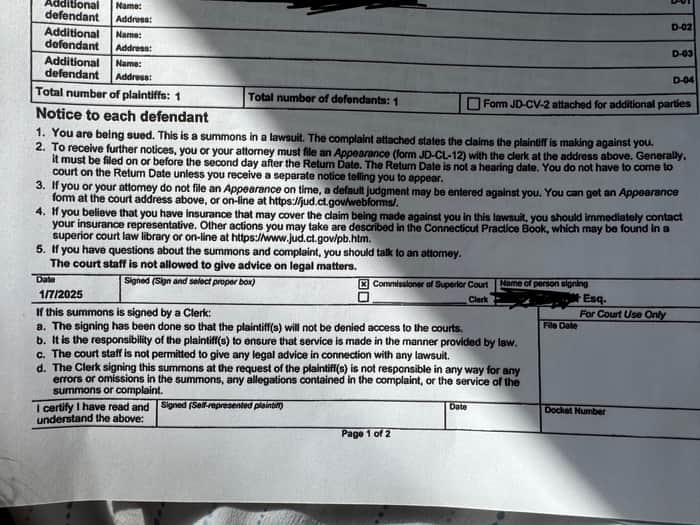
I almost sued a company.
We completed close to six figures worth of work for an IT firm. A full year. Delivered everything. Then came time to get paid.
Suddenly they needed a W-9. Then proof of certain things. Then the address wasn't acceptable. Then the bank account wasn't right. Every time we submitted what they asked for there was a new reason why payment couldn't be processed.
Two years of this.
The firm was paying its own employees out of pocket the entire time. Absorbing costs for work already completed and delivered. Chasing a company that had gone completely silent.
Year three we hired a lawyer. Paid a $3,000 retainer. Prepared the lawsuit. Then sent a notice that we were filing.
They replied within the day.
Two years of silence ended the moment they knew the law was coming.
That taught me two things.
First, always have a contract. Every single time. A verbal agreement is just a memory and memories are convenient for the person who owes you money.
Second, a contract doesn't just document what you agreed to. It holds people to it. People act differently when they know the consequences are real. That's not a threat. That's just how accountability works.
We paid $3,000 in legal fees to collect money already earned. Spent two years absorbing payroll out of pocket. All of it could have been avoided with a contract signed on day one.
That's a big part of why I built Claustar.
Instead of handing you a blank template and wishing you luck, Claustar asks about your situation before writing a single clause. Who are you hiring, what are they delivering, what state are you in, what happens if things go sideways. Then it builds the contract around your answers. Attorney-reviewed templates under the hood. Plain-English output you can actually read & edit manually (if needed) before sending.
Professional contracts without the $3,000 lawyer bill.
Has anyone here been through something similar? How did you handle it?

contracts are one of those things nobody thinks about until they get burned. i learned this lesson the cheap way — a client promised to pay after delivery, then ghosted. $0 lost but a week of work wasted. now i lead with payment upfront or a clear written scope before any work starts. even for small jobs. what kind of contract issue was it — scope creep, non-payment, or IP dispute?
The contract issue was just that they were refusing to pay for the services. I thought I had entered this contract situation on the basis of a verbal contract. Ultimately, after threatening to send a lawsuit, they flipped. But that's partially why I then built my service, Claustar. Learning from the experiences like those making it easy to build a contract for consumers.