I built a better eraser because the alternatives were overkill
I got tired of opening Photoshop to remove a single photobomber from a travel photo. Every time I needed a quick clean-up—a stray watermark, a trash can in a product shot, a person wandering into the frame—the friction was ridiculous. Fire up a heavy app, watch it load, hunt for the right tool, paint carefully, fiddle with cloning stamps... it felt like using a sledgehammer to hang a picture frame.
So I built the tool I wanted for myself. One brush. Upload. Done.
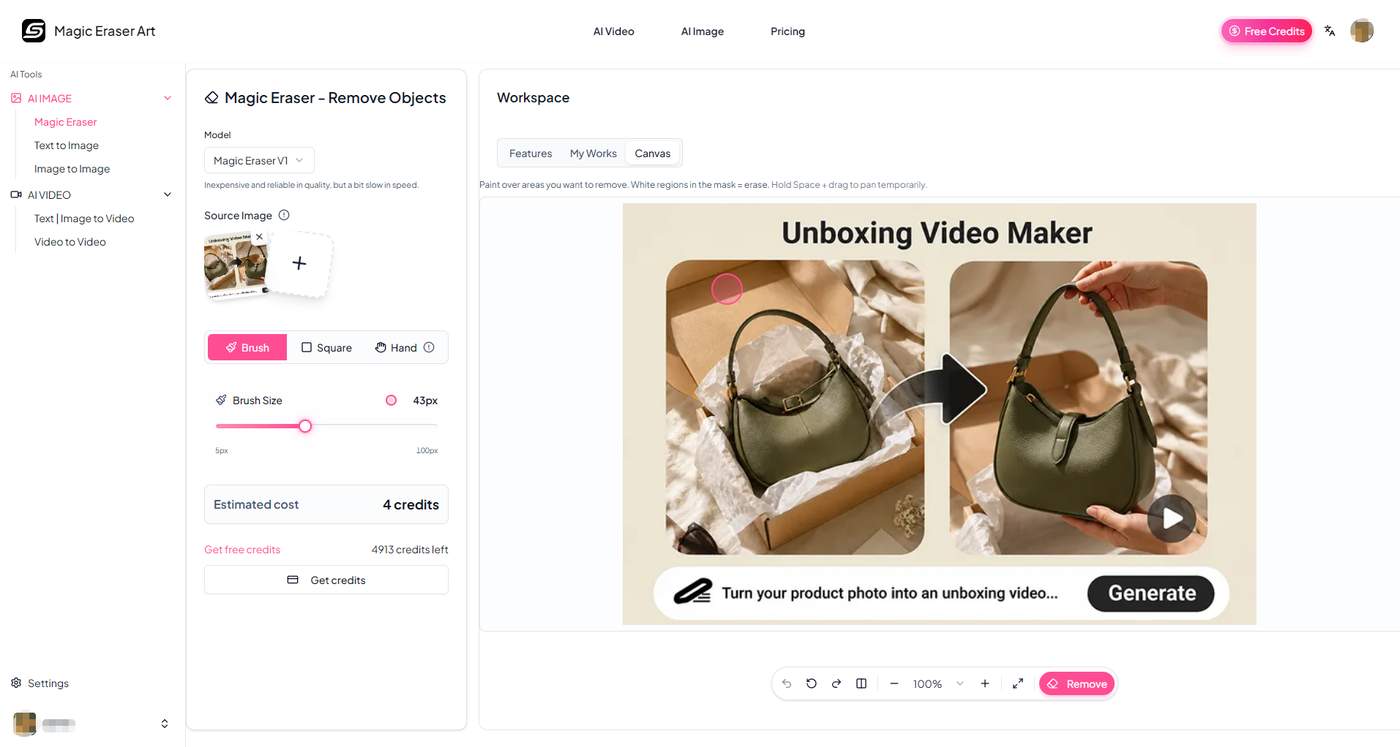
But here's what I realized after launching it: I wasn't the only one. People in completely different situations kept telling me the same frustration. A real estate agent spending way too long cleaning up property photos for listings. An e-commerce seller on a deadline, trying to make product shots look professional without hiring a designer. A social media manager juggling 20 posts a day, needing something fast and reliable.
The market data backs this up—the AI eraser space is growing fast, with projections pushing past $7 billion by 2030. That's a lot of people who want to edit images without becoming Photoshop experts.
But the real reason Magic Eraser exists is simpler than market trends. It's about removing the friction between "I want this gone" and "done." The tech behind it—analyzing edges, lighting, and texture to generate seamless fills—is genuinely sophisticated. But the user experience shouldn't be. That's the core belief: powerful AI should feel effortless, not intimidating.
I'm not trying to replace professional editing tools. I'm trying to make the 80% of edits that don't need professional expertise take 10 seconds instead of 10 minutes. For indie hackers, creators, small business owners, and anyone else who just wants clean images without the headache.
It exists because that problem is everywhere, and the solution shouldn't be locked behind a steep learning curve or a pricey subscription.
Try the magic eraser tool online.


One thing that jumped out at me is how many different users show up in the story.
Travel photos, ecommerce, real estate, social media, creators.
That's usually exciting because it feels like broad demand.
It's also where things can get blurry, because a product can be useful to many groups while becoming essential to very few.