I built an app that insults people. It made $47.
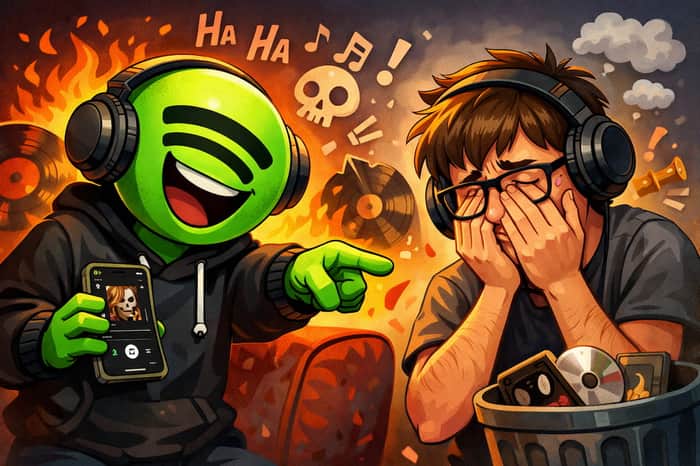
A few weeks ago I launched a side project called Your Music Sucks.
The pitch: connect Spotify, get a brutally honest AI personality roast based on your listening history.
Not a quiz. Not a "here are your top genres" recap. A full personality autopsy. Sample output:
"You have Justin Bieber in your liked songs and the audacity to have opinions about other people's taste. You are personally responsible for what he became and you need to sit with that."
I built it because Spotify Wrapped is too nice. Your music taste says uncomfortable things about you and I thought someone should say them out loud.
What happened:
- 12,000+ roasts delivered
- 40,000+ shares (people are voluntarily humiliating themselves, which I did not expect)
- $47 in revenue
The $47 is my favorite metric. It means at least some people liked being insulted enough to pay for more of it. That's either a great sign or a concerning one. I choose to see it as validation.
What's actually working:
The sharing mechanic. Every roast gets a permanent public URL. People aren't hiding them — they're sending them to group chats, posting them on Twitter, texting them to their exes. The more brutal the output, the more likely it gets shared. Turns out public humiliation has a natural viral loop built in.
What's not working yet:
Converting free users to Pro. The free tier gives you one roast and people seem very happy stopping there. Still figuring out the right moment to nudge them toward paying.
Still early days. Launching on Product Hunt tomorrow if you want to follow along.
Happy to answer anything — and yes, I will absolutely roast your Spotify taste in the comments if you share your link.
yourmusicsucks.app

Sounds like a really great idea.
I tried it on Chrome on my iPhone. I logged into Spotify, but it still keeps asking me to connect Spotify.
$47 from an insult app is a solid validation signal. Willingness to pay for something absurd tells you a lot — people have a real emotional need, not just idle curiosity. What was the distribution channel that got the first buyers?