I built Intelens after realizing I was underestimating my subscriptions by $100+/month 💸
Hey Indie Hackers 👋
A few months ago, I did a quick audit of my expenses… and found I was underestimating my monthly subscriptions by over $100.
Not because I was careless—but because:
Some tools billed annually
Some charges had unclear names
And some I simply forgot existed
That’s when I realized:
The problem isn’t tracking expenses — it’s predicting them.
So I built Intelens.
What makes it different:
🧠 Auto-detects subscriptions
No manual tagging. It identifies recurring payments from transaction patterns.
📊 Projects future cash flow
Instead of showing what you spent, it shows what you’re about to spend — before it hits.
🚨 Surfaces hidden money leaks
Highlights subscriptions you’re still paying for but barely using.
Why I think this matters
Most tools (Mint, spreadsheets, etc.) are backward-looking.
They tell you what already happened.
But the real pain comes from unexpected future charges.
That’s the gap I’m trying to close.
I’ve spent the last few weeks building the core engine (recurring detection + projections), and it’s finally at a point where it’s usable.
Still early—but I’d love to pressure-test this with people who:
Use multiple SaaS tools
Manage personal or business subscriptions
Or have tried (and abandoned) budgeting apps
👉 How are you currently tracking recurring expenses?
👉 And what’s the biggest thing existing tools get wrong?
Would really value your feedback.

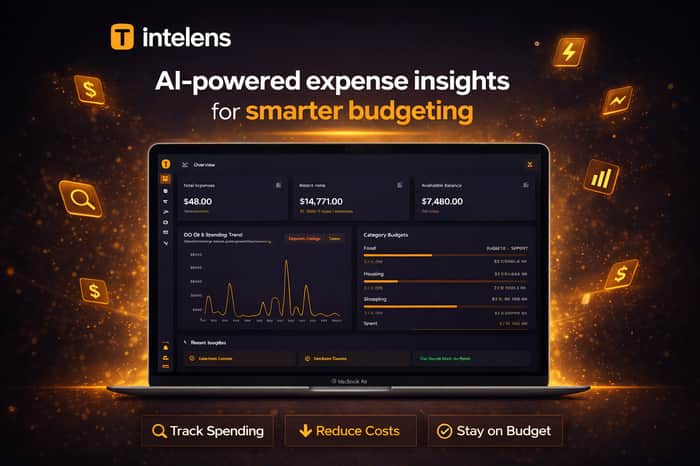
For anyone curious, here’s what I’ve built so far:
https://www.intelens.xyz/
Would genuinely love feedback on 2 things:
-Does the subscription detection feel accurate?
-Is the future cash flow view actually useful or just “nice to have”?
Happy to answer anything or even give early access if needed 🙌