I Found 47 Backlink Opportunities My SaaS Was Missing
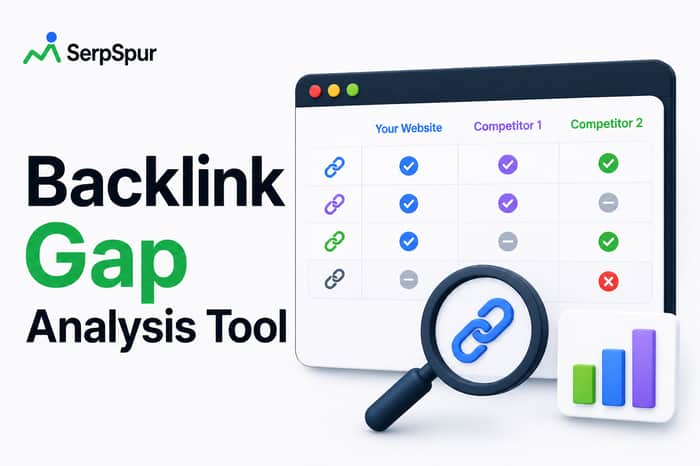
Just ran a backlink gap analysis on my SaaS and found 47 domains linking to competitors but not to me. That's 47 warm leads I was ignoring. I used a simple tool that compares my domain against two competitors and spits out the missing links. Turns out, most of them were niche directories and resource pages I never knew existed. Spent an afternoon reaching out — got 3 placements already. If you're doing manual outreach without this, you're flying blind. Here's the tool: https://serpspur.com/tool/backlink-gap/. It's free, and it takes 2 minutes to see the gap. The hard part isn't finding the links — it's actually doing the outreach. But at least now you know where to aim.

Appreciate the comment! Yeah, the tool's a lifesaver for this—glad you found it useful too. The outreach part is where the real grind begins, but at least now we're not guessing where to pitch.
Solid find. Backlink gap analysis is one of those things that feels obvious in hindsight but most founders skip entirely in the early stages.
One thing worth adding — niche directories and resource pages are gold not just for backlinks but for referral traffic that actually converts. People browsing a "best tools for X" list are already in buying mode.
If anyone here is in the age/date tool space, I ran into the same "flying blind" problem with outreach targeting. Built out a free Age Calculator and found that resource pages around productivity, HR tools, and government exam prep were the most receptive — they're always looking to link out to free utilities their audience actually uses.
The gap analysis approach you described works really well for finding those pages. The pitch is easy too — "here's a free tool your readers will use, no strings attached" converts way better than a cold link exchange request.
3 placements from one afternoon is a great hit rate. Most people quit after 10 ignored emails.
The gap list is the start, not the finish. Not all 47 carry equal priority. Worth sorting them by a quick signal before any outreach: domains where only one competitor has the listing (not all three) are usually directories that accept ongoing submissions, not one-time placements or paid partnerships. Those are faster to get into and more likely to stay live. Domains where all your competitors appear are often legacy directories — real DA value eventually, but slower and sometimes curated rather than self-serve. The other sort worth doing: check the publication date on your competitor’s listing. If it’s more than 18 months old, verify the directory is still actively maintained before spending time on outreach. Dead directories that kept the link live are a common trap in gap reports.
Backlinks are a lagging indicator, the leading one is whether any of those 47 domains actually send a human who converts. I'd tag each placement with the referral traffic and signups it produces over 60 days, not just whether the link went live, since niche directories that helped a competitor's domain authority may do nothing for your funnel if their audience doesn't match your buyer. Worth running the same gap analysis against the two or three competitors closest to your actual customer profile, not just whoever ranks highest, domain authority and buyer overlap aren't the same thing.
47 is a lot to dig up. I'm building an SEO-focused tool myself right now, and backlinks are exactly the kind of thing most small business owners never think to check. Curious if you did this manually or leaned on a specific tool for it.
Gap analysis is the right opening move, though I'd push back gently on "the hard part isn't finding the links". After running submissions across five products I keep a deduped pool of a few hundred domains that have accepted at least one of them, and the expensive lesson was that finding and filtering are the same job — a raw gap list is mostly noise until it's been tagged.
Three filters that saved me the most time, all applied before writing a single email:
Reciprocal requirements. A meaningful share of niche directories want a badge or a link on your homepage first. That's a trade, not a placement, and usually a bad one.
Paid-only listings dressed up as free. You only find this on the submit page, never in the gap report.
Whether the listing page gets indexed at all. Some directories publish you to a page Google never crawls, which looks identical to a real link in any gap tool and is worth nothing.
On my last pass those three took a 473-domain pool down to about 375 worth attempting, and every exclusion had its reason recorded so I'd never spend time re-evaluating it. That record is the piece I'd build first if I were you — a gap tool that remembers why you rejected something is far more useful the second time you run it than the first.
One more thing worth tracking per placement: whether the published link is actually dofollow, not what the directory claimed on its submit page. Those two disagree often enough to matter.
Fantastic approach
This is the inverse of the last post - instead of "tried 22 channels got zero traction," this is "found 47 specific channels competitors are using that we're not." Same distribution problem, completely different visibility.
SerpSpur isn't creating distribution opportunities - those backlinks existed whether you could see them or not. What it's doing is making visible what was invisible. You went from "which channel should I try?" to "these 47 specific sites already chose to link to similar products."
That's the difference between measurement-driven distribution and hope-driven distribution. The first post measured effort (channels tried, daily posts). This one measures outcomes (who links to you vs competitors). One tells you how hard you worked. The other tells you where the actual traction is hiding.
The real win here isn't the 47 links. It's that you now have a denominator for the real question: "Of these 47 opportunities, how many will say yes?" If you get 10 links from 47 prospects, you've got a 21% conversion rate on a known audience. If you get 0, you know your pitch or product clarity has a specific problem you can solve.
3 placements with just a few hours of outreach is good enough. Curious whether you submitted on the high DR sites for more quality backlinks and a few early users and visitors?
3 placements from an afternoon of outreach is solid ROI. The gap analysis makes sense, but I've found the real value is in the niche directories that aren't obvious — those often have higher conversion rates. How are you tracking which links actually drive referral traffic vs. just being a backlink?
Solid approach — gap analysis is underrated for indie hackers. One thing that's worked for me is filtering those 47 links by domain authority and only reaching out to the top 10 first. Saves energy and keeps the response rate up. What's your outreach template look like for these resource pages?