I keep coming back to this thought: a lot of modern procrastination is not “doing nothing.”
It’s cheap dopamine addiction.
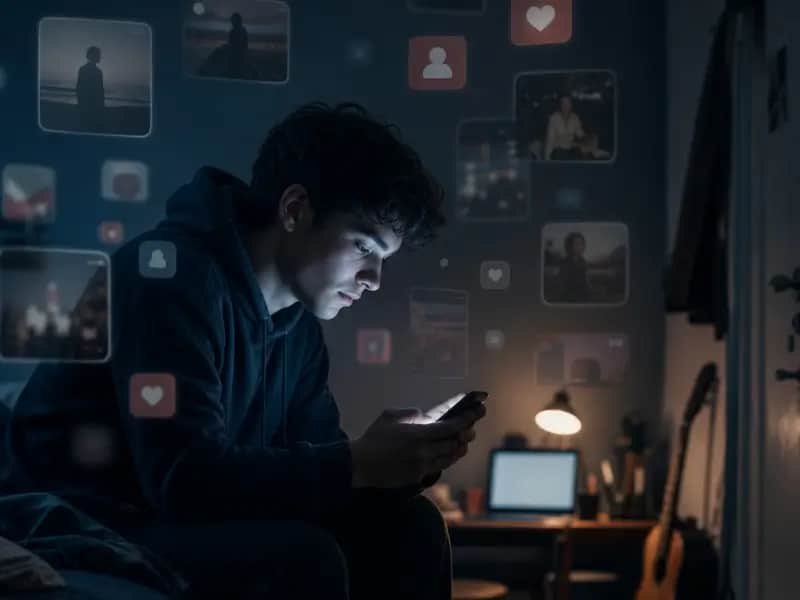
And that phrase matters because it explains why so many people feel weirdly exhausted even when they haven’t done much. They’ve spent the day consuming tiny rewards:
short videos,
threads,
feeds,
saved posts,
“just one more” newsletter,
a dozen tabs that all feel productive and none of which create anything real.
That’s the trap. It doesn’t feel like laziness. It feels like movement.
You’re reading about productivity instead of being productive.
You’re watching people build while your own task stays open in another tab.
You’re collecting ideas like they’re actions.
And then, at the end of the day, the brain says:
“Why am I tired?”
Because input can be exhausting too. Especially when it’s fast, fragmented, and constant.
What I’ve started noticing is this:
cheap dopamine often shows up right before meaningful work.
Not after.
Right before.
That’s the uncomfortable truth.
You don’t usually reach for content when you’re in a deep flow state.
You reach for it when the real task has friction:
ambiguity,
fear of failure,
boredom,
low energy,
too many steps,
no immediate reward.
So the question is not “How do I become more disciplined?”
The better question is:
How do I make the real action easier to start than the fake action?
A few practical ideas that actually help:
Shrink the task until it feels almost silly. Open the doc. Write one sentence. Put on shoes. Start the timer for 5 minutes.
Add friction to the feed. Log out. Delete apps from the home screen. Make consumption slightly annoying.
Use “before/after” rituals. Before you scroll, do one real action first. One email. One paragraph. One push-up. One line of code.
Separate inspiration from avoidance. If you’re saving 30 things but doing none of them, that’s not inspiration anymore.
Track outputs, not inputs. Finished tasks, shipped drafts, sent messages, committed code, actual reps.
The deeper issue is that the brain loves instant certainty.
Scroll: immediate.
Task: uncertain.
Scroll: easy reward.
Task: delayed reward.
So of course the feed wins unless you design against it.
If you build products, write, design, code, or work alone a lot, this matters even more.
Because nobody sees the moment when you “almost started” and then vanished into content for an hour.
That invisible leak is where so much good work dies.
A useful test:
If you stopped consuming for 24 hours, would your life move forward or just feel quieter?
That question is brutal, but clarifying.

