I spent 42 hours building another AI directory. Here is my zero-touch curation and pSEO playbook.
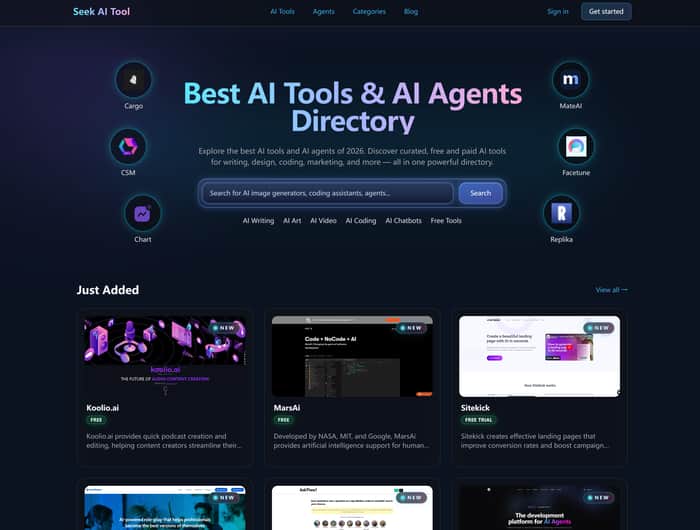
Let’s get the obvious out of the way. AI tool directories are the new "Hello World" of indie hacking. The market is oversaturated, most sites are abandoned after a month, and they usually look like an Airtable embed dumped onto a domain.
I knew this. I still built it anyway.
Why? Because manual curation is a bottleneck, and the existing directories have terrible UX filled with outdated marketing fluff. My unfair advantage isn't a massive marketing budget. It's a backend system I built to run entirely on autopilot.
Here is the exact growth and automation playbook I am using to get this off the ground.
- The "Zero-Touch Curation" Pipeline
I refuse to manually copy-paste tool descriptions. I built a background worker that handles the data layer automatically:
Discovery: A script monitors specific Twitter lists, Hacker News, and Reddit threads for URLs mentioning new AI products.
Extraction: It scrapes the target landing page text, bypassing cookie popups.
Structuring: It feeds the raw text to a cheap, fast LLM API. The prompt forces the model to strip out all adjectives and marketing jargon, rewriting the description into three strict bullet points: What it does, Who it is for, and Pricing structure.
Visuals: A headless browser script automatically generates a clean, uniform thumbnail.
- Micro-Intent pSEO
Ranking for "Best AI Image Generator" is impossible for a solo dev. I am not even going to try.
Instead, my database maps tools to highly specific use cases. The pipeline auto-generates clean, fast landing pages targeting long-tail queries. Think: "AI image generator for tabletop RPG map assets" instead of just "AI image generator." The search volume for these micro-intents is tiny, but the intent to convert is massive.
The Stack & Real Costs
I want to be fully transparent on what it took to get version 1.0 live. Since the site is brand new, I don't have impressive traffic or revenue charts to show you yet. But here is what the build phase looked like:
Time invested: ~42 hours over three weeks (mostly debugging the scraping pipeline).
Tech Stack: Next.js, Tailwind CSS, Supabase.
Hosting: $0 (Vercel).
Database: $0 (Supabase free tier).
Automation Costs: Roughly $0.15 per day in API credits to process incoming tool data.
If you want to see the frontend result of this automated pipeline, you can check it out here: https://www.seekaitool.com/.
The Ask
The technical foundation is done. Now I need to figure out the business side. For a directory relying on micro-intent SEO, what is the most realistic path to the first $100?
Should I focus entirely on building out an affiliate link engine, or should I test the waters with fixed-fee micro-sponsorships targeted at new tool founders right from the start?
Also, please roast the landing page. Be brutal. I need the feedback.
