I tested nearly 60 zero-budget marketing channels. The biggest mistake was trying to be everywhere.
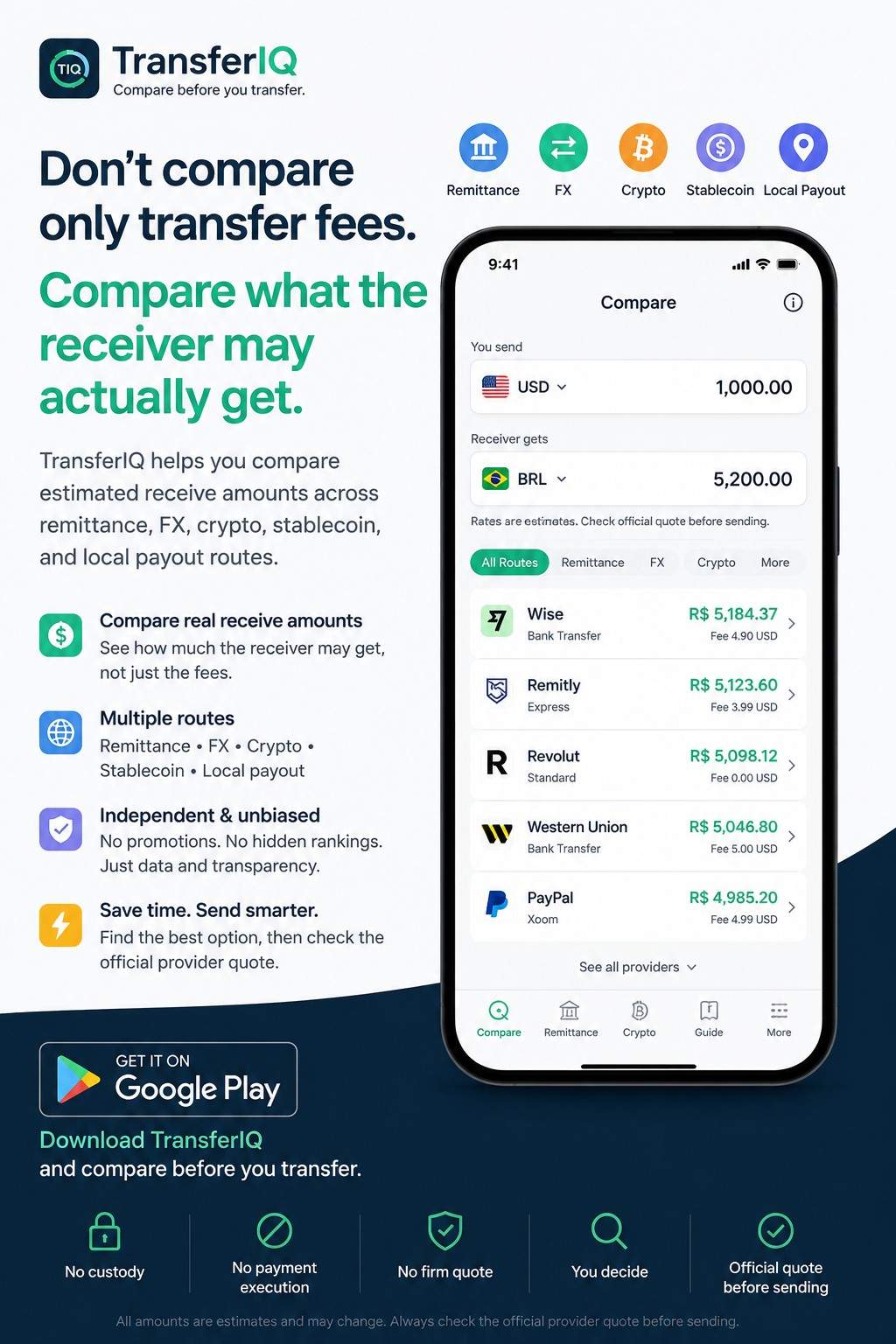
When I launched TransferIQ, I had almost no marketing budget.
So I made what seemed like the obvious decision:
If I cannot buy distribution, I need to create as much free distribution as possible.
That idea quickly turned into a spreadsheet with nearly 60 channels.
I tested or prepared:
- Product Hunt
- Indie Hackers
- X
- Medium
- Blogger
- Korean communities
- Japanese blogs
- Chinese indie maker communities
- Portuguese communities
- SEO content
- multilingual articles
- app review channels
- startup directories
At first, I thought this was hustle.
Now I think part of it was a mistake.
## The real cost of a “free” marketing channel
A free channel is not free.
Every new platform creates work:
- create an account
- complete the profile
- understand the rules
- rewrite the same story for a different audience
- translate it
- format it
- publish it
- reply to comments
- check analytics
- avoid getting flagged as spam
- maintain links
- remember what was already posted
At some point, I realized I was not just building a fintech product anymore.
I was maintaining a small media network by myself.
## The surprising part: useful information was not always what performed best
TransferIQ compares international money transfer and crypto off-ramp routes.
Naturally, I assumed educational content about:
- remittance fees
- FX spreads
- exchange rates
- crypto routes
would perform best.
Not necessarily.
One generic remittance article I published in a Chinese community got around 22 reads.
Very weak.
But a founder story about being a non-engineer using AI to build and launch a real product generated much more attention.
That same Chinese community later became one of my strongest traffic sources.
This forced me to admit something:
People were often more interested in:
> “How did this person actually build this?”
than:
> “Here is another explanation of international transfer fees.”
## I also learned that “more channels” can become its own form of debt
Developers talk about technical debt.
I think solo founders can create something similar:
distribution debt.
Every channel you open becomes another thing you may need to maintain.
My spreadsheet kept growing.
Some channels generated traffic.
Some generated nothing.
Some blocked links.
Some required karma.
Some had publishing limits.
Some were great for SEO but weak for immediate traffic.
Some were good for founder stories but terrible for product education.
And I was still supposed to:
- improve the product
- fix bugs
- build Android releases
- work on SEO
- analyze user behavior
- manage family responsibilities
- continue my job search
At that point, “be everywhere” stopped looking like a growth strategy.
It started looking like operational chaos.
## So I changed the strategy
My original thinking was:
> More channels = more chances to be discovered.
My current thinking is:
> Find evidence of traction, then reinforce the winners.
For example:
- one Chinese indie community produced a real traffic spike
- Indie Hackers produced actual referral traffic
- multilingual SEO content is slowly building long-term assets
- some communities produced almost nothing
- Reddit created more friction than value for me
So instead of constantly asking:
> “What new site should I join?”
I am starting to ask:
> “Which existing channel has already given me a reason to invest more?”
## My current rule
I am trying to separate channels into four groups:
### 1. Proven
They already generated traffic, engagement, or useful feedback.
Invest more.
### 2. Strategic
They may be slow, but create long-term SEO or brand value.
Maintain selectively.
### 3. Experimental
Give them a limited number of attempts.
Do not maintain them forever.
### 4. Dead
No signal, too much friction, or poor audience fit.
Stop.
This sounds obvious.
But when you are a solo founder with no ad budget, it is psychologically difficult to kill a channel.
You keep thinking:
> “Maybe one more post.”
> “Maybe I used the wrong title.”
> “Maybe I need more karma.”
> “Maybe the next article will work.”
And suddenly you are spending hours maintaining something that has never given you a single meaningful visitor.
## The uncomfortable question I am still trying to answer
The hardest part is that early-stage data is weak.
If a channel sends 0 visitors, maybe it is bad.
Or maybe I only posted once.
If it sends 10 visitors, maybe that is promising.
Or maybe it was random.
If a founder story works but a product article fails, should I change the content strategy or the channel itself?
With low traffic, almost every decision is made with incomplete evidence.
## What I am doing now
I am reducing new channel expansion and focusing more on:
- channels that already produced measurable traffic
- localized founder stories
- SEO assets I can keep compounding
- content reuse without pure copy-paste
- stronger calls to actually try the product
- fewer platforms, managed better
The product is TransferIQ:
Web:
Android:
https://play.google.com/store/apps/details?id=com.jkim1285.TransferIQMobile
It compares international money transfer and crypto off-ramp routes by estimated final received amount.
But honestly, this post is less about the product itself.
It is about something I did not understand when I started:
Distribution has an operational cost.
And for a solo founder, too many “free” channels can become expensive very quickly.
I would genuinely like to hear how other founders handle this.
How do you decide that a marketing channel has failed when you do not yet have enough traffic for statistically meaningful data?
And how many attempts do you give a channel before killing it?

