I validated my idea with 23 people who said "yes" - then nobody bought it
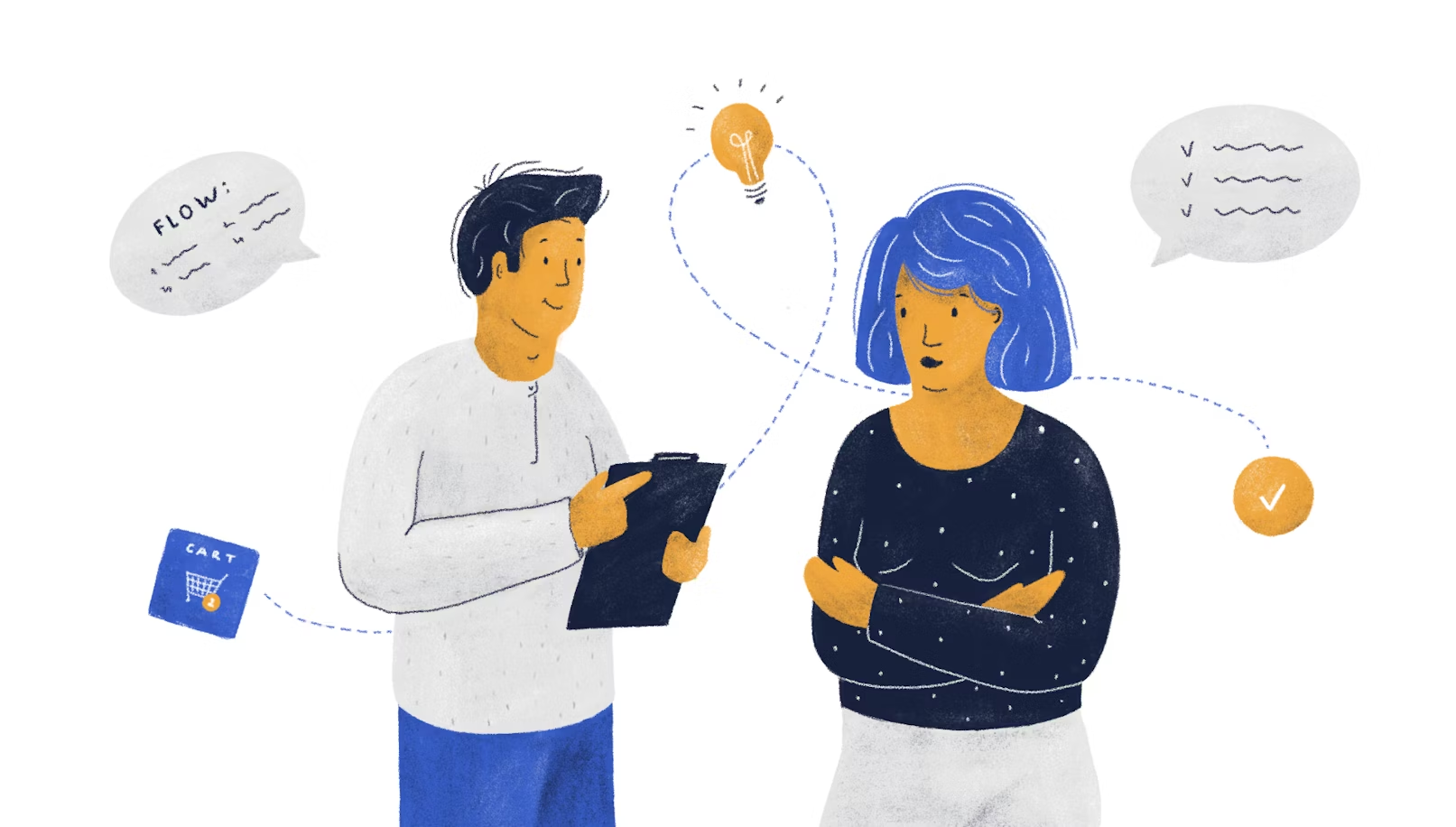
Two years ago, I had what felt like a bulletproof validation process.
I interviewed 23 potential customers about my productivity app idea.
89% said they "definitely use it" and 5 people even said they pay $19/month.
I was pumped. Built the MVP. Launched to my validation list.
Zero sales. Not one.
Here's the brutal truth I learned: People lie in validation interviews.
Not intentionally - they genuinely think they want your solution. But there's a massive gap between "I would use this" and actually pulling out their credit card.
The validation mistakes I made:
- Asked hypothetical questions ("Would you use an app that...")
- Talked to people who were too polite to say no
- Focused on features instead of measuring real behavior
- Confused interest with intent to purchase
What actually works now:
Instead of asking "Would you pay for this?" I ask "What did you pay for last month to solve this problem?" If they haven't already spent money on similar solutions, they won't spend it on yours.
I also started selling before building.
Pre-orders, early access lists with payment upfront, or even just asking people to sign a waiting list with their credit card info (no charge until launch).
The uncomfortable question: If people aren't already desperately trying to solve this problem with imperfect solutions, do they really need what you're building?
My new validation rule: Don't trust what people say. Watch what they do.
What is your biggest validation reality check?
Drop your validation horror stories below - let's help each other avoid these expensive lessons.

I know the feeling, this was basically me 6 months ago.
I got about 7 people to say yes to my product, assumed it meant validation/demand and then built it. Not a single person ended up becoming a paying customer.
I feel free trials or free tier depending on what you are comfortable with make much more sense than relying on conversations.
I use conversion/initial meetings purely as a signal to actually build it out. Its a signal that marketing would working and paid marketing would work even better(atleast in theory), whether people pay for it or not is altogether a different story.
My new validation rule: Don't trust what people say. Watch what they do.This is what I do now. Meetings -> mean interest conversions on free trials mean -> Mini validation.
Also I started Proofstories specifically for this( I interview early stage founders and try to capture how they got their first customers -> Turn it into actionable advice).
I got tired on the same old generic advice about talking to users. It just does not work like that, there are so many layer to everything!!!
Totally get you! “Don’t trust what people say, watch what they do” is gold. Free trials or mini conversions are way more telling than just yes/no conversations. Love the idea behind Proofstories real, actionable insights beat generic advice every time.
This is great advice! I'm at the validation stage now and I've been wracking my brain trying to think about how to validate my idea. How do you watch what people do?
Instead of asking people what they would do, observe what they are already doing-look at their current workarounds, spending patterns, and tools. Real behavior is stronger validation than opinions.
You should to read "The mom test",in fact, it's very common for founders to ask wrong quetions. It's not easy to face the truth, we are so love our ideas and hope it can success right?
Exactly! The Mom Test nails this hard truths are tough, but facing them early saves wasted time and builds something people truly want.
+1 to “watch what they do.” I’m compiling crowd-ranked validation tactics (reference only: rankiwiki.com). Curious—have you found a small time box (48–72h cash test) more predictive than long interviews?