I Went to Marc Lou's Indie Hacker Meetup in Shanghai. It Changed What I'm Building First.
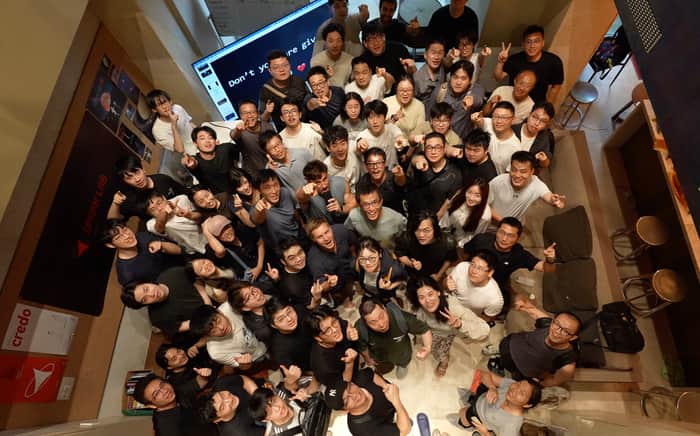
Yesterday I joined an Indie Hacker meetup hosted by Marc Lou in Shanghai.
Hearing Marc and Damon Chen talk about their paths was energizing. The most useful part, though, was not a growth tactic. It was a question that made me reconsider the order of Menso's product value.
Menso gives an AI user a persona and a task, lets it operate a live product in the browser, and turns the replay, decisions, and screenshots into a prioritized report.
Until yesterday, I thought the strongest value came near the end: analyze the test path and explain the UX friction behind it.
Marc pushed me toward something more immediate.
First, did the AI user complete the task?
If not, where exactly did the task become impossible?
That sounds like a small distinction, but it changes what I should build first. A detailed UX analysis is useful only after Menso can prove the outcome and identify the first meaningful interruption point.
The order should be:
- Verify whether the task reached its intended result.
- Locate the first interruption point.
- Use the path and evidence to explain the friction.
I am not removing UX analysis from the product. I am making it serve a clearer core.
Marc also gave me a useful reminder about building in public: failure is part of the record. Not every update needs to end with a win. He suggested that I try appearing on camera, too. I have mostly hidden behind reports and screenshots, so that will be uncomfortable. It is probably worth testing.
Another founder at the meetup challenged my market assumption. His view was that many indie hackers in China optimize for speed and survival before they invest in user testing. He suggested that Menso may find a stronger early market among mid-sized and larger product organizations, where failed flows already carry a visible cost.
I do not know yet whether that hypothesis is right. But it is specific enough to test.
So I may spend the next few days making fewer roadmap decisions and thinking more carefully about the order:
- task outcome first
- interruption point second
- deeper UX diagnosis third
- indie makers versus established product teams as the initial market
I am currently running a $29 test offer: one AI user tests a core flow in your live product, and I deliver the replay, screenshots, and a prioritized friction report within 24 hours.
If you have a task Menso should test, or an opinion on this positioning, leave it in the comments. What would be more valuable to you: a deeper explanation of the whole journey, or the exact point where the intended outcome stopped being possible?

The outcome-first order feels right because it creates a clean boundary for the $29 offer: did the task succeed, where did it first become impossible, and what evidence supports that conclusion? I’d make the first report deliberately narrow—one pass/fail outcome, one interruption point, and one replay clip—then only add deeper UX analysis when it changes a product decision. For the market hypothesis, the fastest test may be to sell the same test to both a solo founder and a mid-sized product team, then compare not just willingness to pay but whether the report gets used in the next planning meeting. The strongest signal is probably a second test request, not a positive reaction to the first report. What behavior would make you commit to established product teams as the initial segment?
The shift from “explain the friction” to “show where the outcome broke” is a meaningful change in how the product is being framed. Interesting to see what users respond to once both are tested.
Exactly. I’m not abandoning friction analysis; I’m changing the order of value.
First: did the user achieve the durable outcome, and where did it stop? Then: what UX friction contributed to that failure and what should change. The first gives the team a decision, while the second explains how to improve it.
I’m testing both messages now, but the outcome-first framing is already producing more concrete questions about scope, evidence, and launch decisions.
Just sent you an email a little while ago — check it when you get a chance.