Innovations
Aeromine
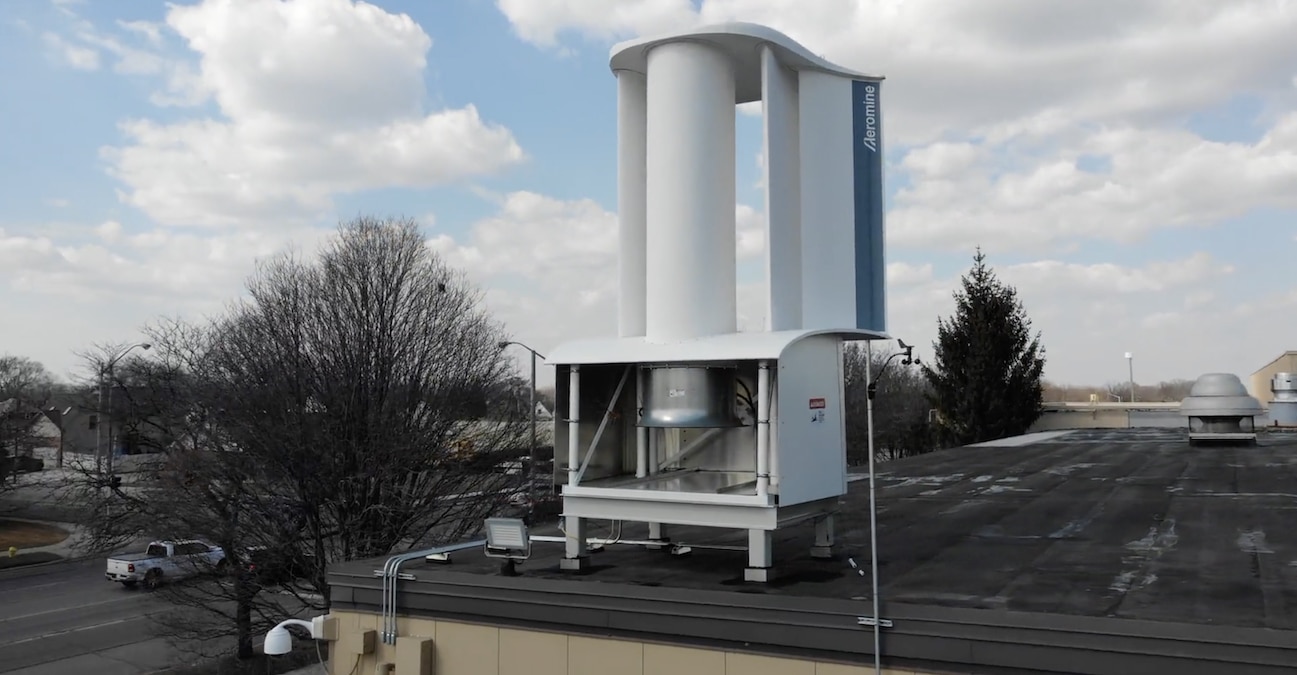
These mini wind turbines without blades are designed for commercial rooftops. Because they sit on the edge of roofs, they pair well with solar panels. When it’s perched on a roof, the tech uses the aerodynamic effect of the wall below it. The building amplifies the wind speed. A single unit provides the same amount of power as up to 16 solar panels. Because the units only sit at the edge of the building, with 20 to 40 lined up in a row, the rest of the roof can still use solar.
https://www.aerominetechnologies.com/
Pipebots

Small robots called 'Pipebots' could work in underground pipe networks- in both clean water and sewers. They will be able to operate autonomously and could reduce some of the costly hassle associated with excavating a series of trenches. The robots are being developed so they will be able to communicate with each other - making them collaborative. Once an issue will be spotted by one of the robots the information will be sent to a technician that can then fix it. Pipe damages cost billions of dollars to cities every year.
Reef Design Lab, WWF & D-Shape

3D Printed Reefs are restoring Danish Waters’ Marine Life. The reef is made of biocompatible materials such as special bio cement, volcanic ash, and 70% sand. It doesn’t contain any synthetic or hazardous materials of industrial origin. The project hopes to build on prior initiatives to restock the historically low cod population thanks to these reefs. The first 12 3D-printed reef structures will be placed on a seabed on Denmark's northeast coast.
https://www.reefdesignlab.com/
Currant 3D

3D printing food in any shape and color imaginable. This company created printers that can 3D-print complicated food items in full color, and have the capacity to scale production for big batches. Dehydrated fruits, vegetables, spices, and plant proteins are just a few of the elements that printers are capable of printing. As a result, the business has what seems to be the only commercial-scale 3D food printing technology that has received NSF certification for food safety. This opens the door for designers to create new kinds of food experiences with 3D food items.
Swap robotics
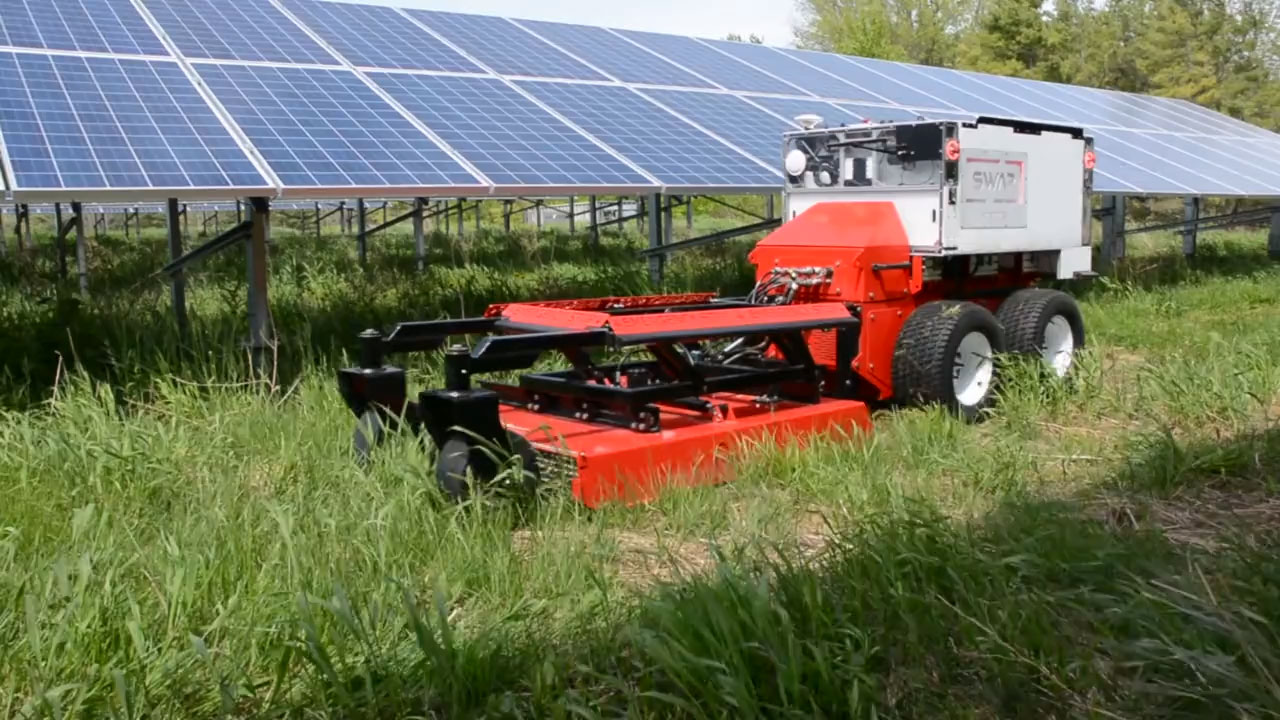
This robot will do snow plowing and cut vegetation in solar farms. The robots have built-in hydraulics that moves the grass-cutting blades and the snow plow attachment. The attachments have a “quick swap” system to make it easier and quicker to switch attachments. The robots’ batteries can also be swapped in a few minutes, which allows for nearly 24/7 operation. They say they have developed the world’s first 100% electric cutting deck to reach the vegetation underneath solar panels. This could prove to be really useful as solar farms are becoming more and more widespread. It would require a huge amount of labor to maintain it.
RIF Robotics

A robot that inspects and organizes surgical equipment. This new startup seeks to use a combination of AI and robotics to relieve healthcare workers of the burden of mundane tasks so they can focus on clinical work. In addition to being difficult for the professionals involved the cleaning of medical equipment requires them to spend hours each day checking and cleaning equipment. Over 100 procedures are needed to disinfect some pieces of equipment. The expenses may mount as well. According to one research, just 20 instrument mistakes that result in operating room delays can cost a hospital up to $3,385. According to the study, the hospital would incur expenses of around $48,000 each year. The ability to track instruments at a higher level will make hospitals work more effectively.
Intropic
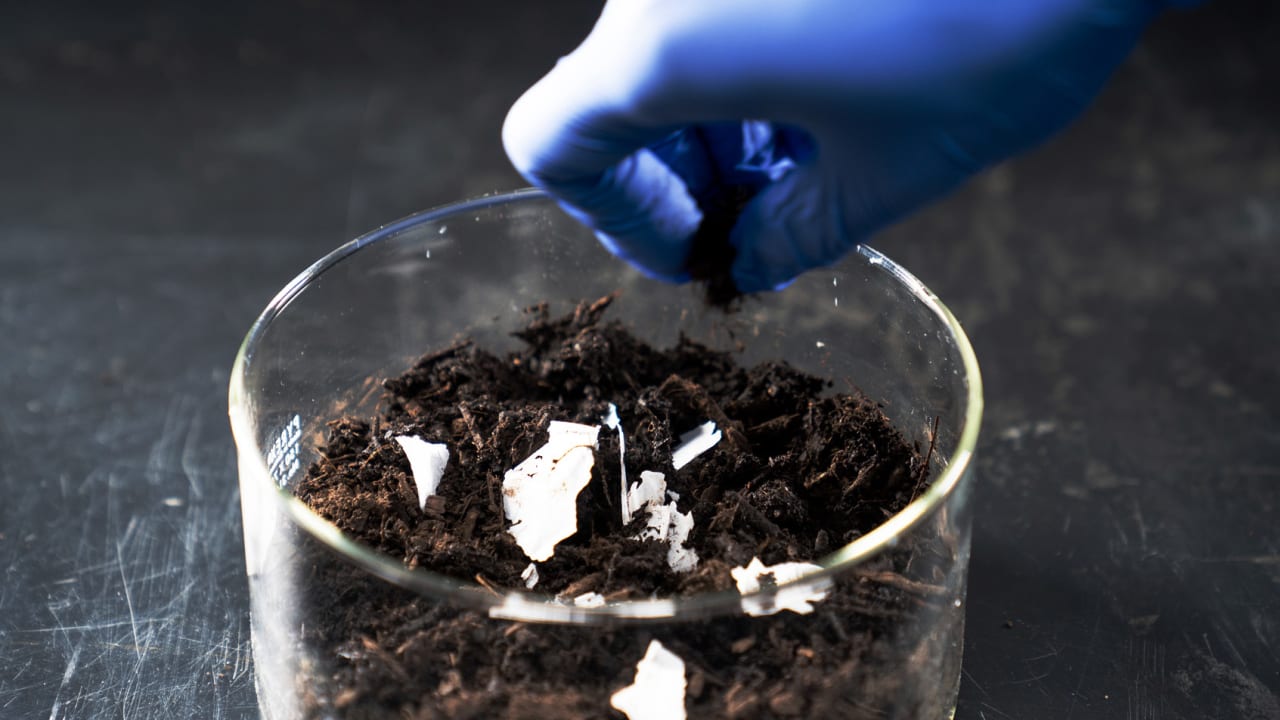
This startup works on fast-decomposing single-use plastic. The company additives make many of the most commonly used plastics biodegradable in regular commercial composting. The enzymes are added to the powders used in the normal course of plastic production. This gives plastics new, biodegradable capabilities without changing the manufacturing processes used to create plastic products. At the end of the lifecycle, when it’s time to get rid of the material, the products can then be composted. The problem with current ways of disposing of plastics is that while materials made of plastic can decompose, nature does it from the outside in, which takes a very long time. The innovation is that the additives are added to the plastic raw materials, which makes the process much faster (days versus years).
