Innovators of the week
Mezli
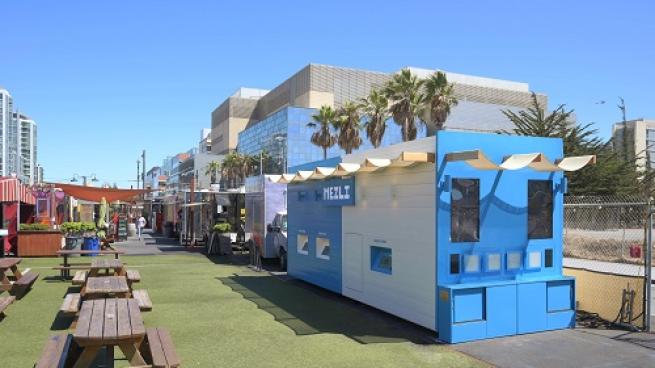
A San Francisco restaurant has opened what it claims is the world's first fully autonomous restaurant, where robots make food from ingredients placed in bins and cook them in a smart oven. Customers order on a touch screen kiosk or via a smartphone app. Thanks to automation it offers prices slightly lower than comparable competitors. Follow my page for daily innovation news.
Sejong University in South Korea.
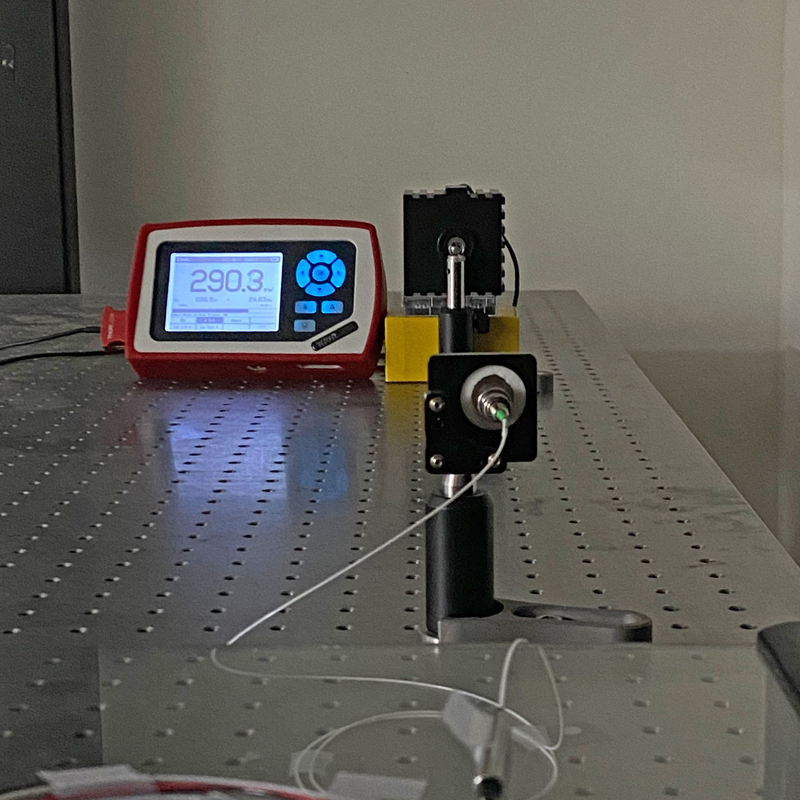
One day you could walk into an airport and charge your phone without cables or plugs required. Using infrared laser light, researchers have developed a way to wirelessly charge devices such as smartphones and tablets. This method is safer and can go further than previous experiments with similar wireless power transmission technologies. The receiver is small enough to fit into compact gadgets and can transfer energy wirelessly. They plan to scale up the system's capacity and make it work with multiple receivers at once.
Sea Wave Energy
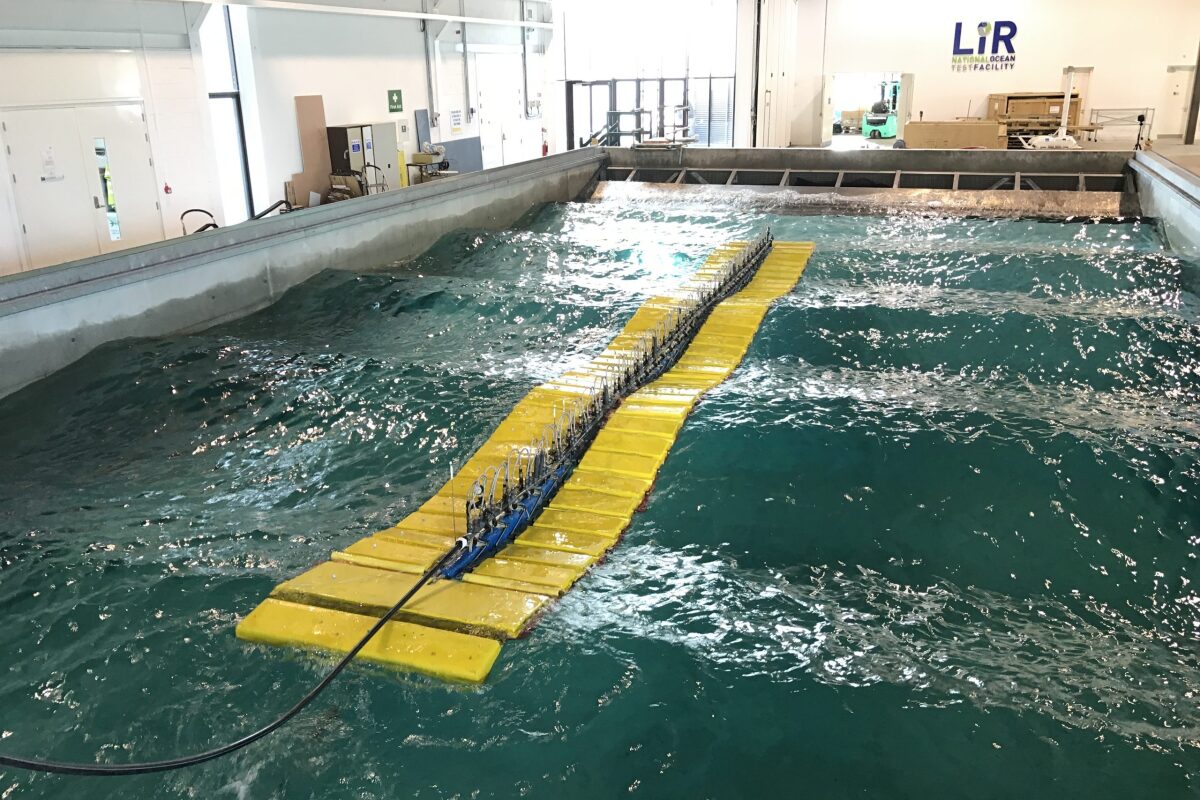
This company has been working on a floating wave energy device for more than a decade, and claims it delivers "ultra low cost" electricity. A chain of floats moves with the waves, and is attached to a rigid spine piece via lever arms. These lever arms drive electrical generators inside the spineunit. The device can be built from recycled materials and used to generate power or hydrogen that can be sent back to shore. SWEL has built several generations of prototypes and claims that their technology will achieve a cost of Energy less US$0.01/kWhr.
Lightyear

Lightyear, a Dutch startup is developing a long-range solar-powered car. This technology allows driver not to worry as much about finding the closest charging station as the car can constantly top itself up while being parked or driven. The company promises a single charge range of more than 600 miles. Given that sunshine is so important, this obviously depends greatly on personal driving patterns as well as the season. It's important to mention that the car can also be charged using a regular plug.
Wildtype
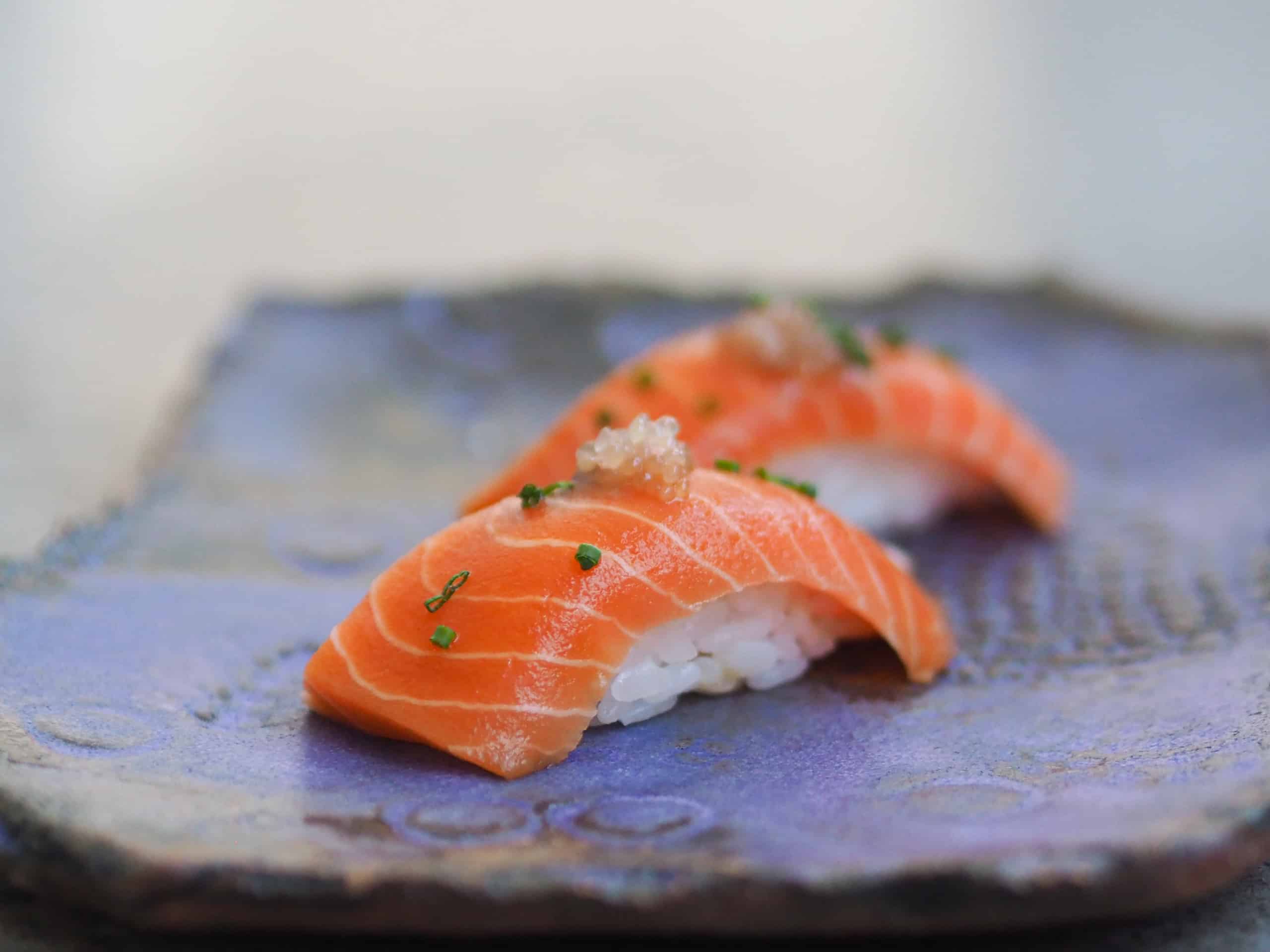
A San Francisco-based company is pioneering cellular agriculture to grow cuts of salmon without killing any fish. They do so by growing the cells of a Pacific salmon in steel tanks that look like beer brewery tanks, then putting the cells in so-called scaffolds, which are structures made of plant-derived ingredients, to guide the cells to shape each cut of fish. Cell-cultivated seafood is an argument for protecting wild species and countering overfishing.
https://www.wildtypefoods.com/
Currently

This company started an on-demand charging service. All you have to do is book a recharging session using their app. Once booked, a technician will come and plug your car into one of their mobile charging stations. It could prove super useful if you are out of charge, or don't have time to recharge your car after work. It started in four major cities: Los Angeles San Francisco San Jose and Dallas but the company is expanding its services to 12 more California cities.
Sparck technologies
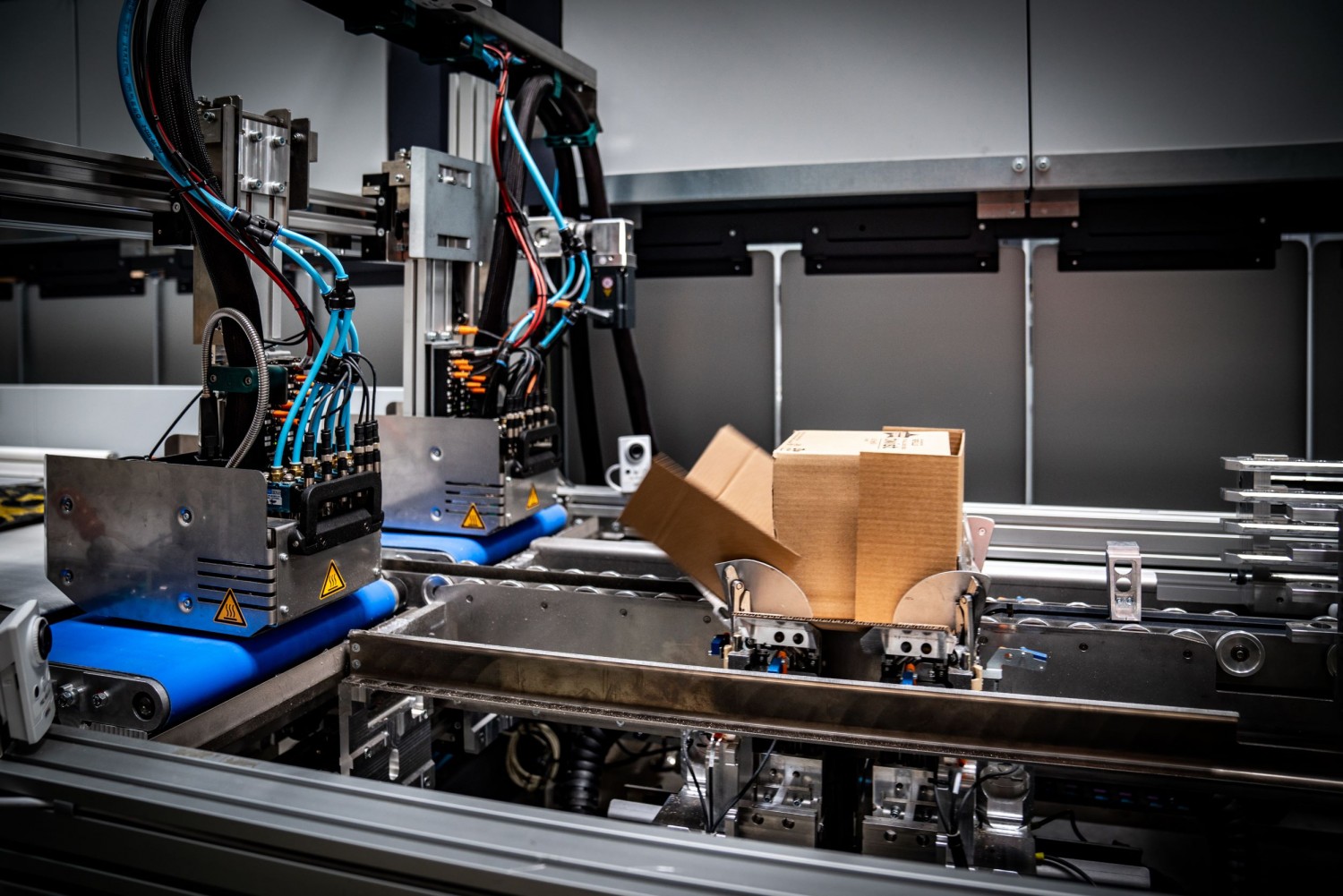
This robot packs your online orders. Each unique item is 3D-scanned to determine the box size required. The cardboard is custom cut to eliminate the unnecessary volume and the need for void fill. The result is a decrease in cardboard use and less co2 emissions as the truck's space are more optimized. Follow my page for daily innovation news.
https://sparcktechnologies.com/
University of Virginia
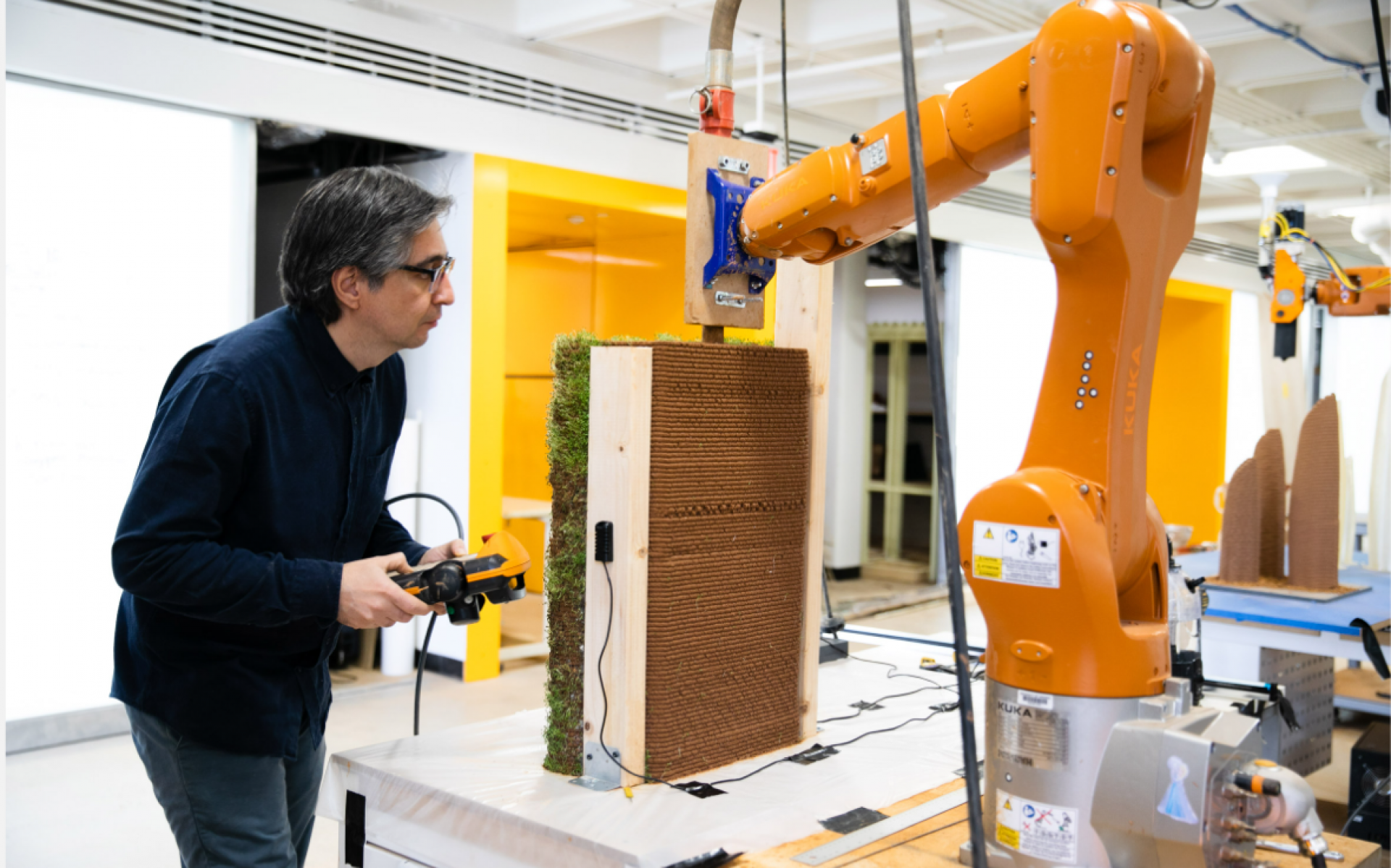
A team of scientists from the University of Virginia has developed a method of 3D printing soil structures that can grow plants on their surfaces. The researchers printed raw-earth structures using soil-based 'inks' that sprouted and became covered in greenery after a few days. Someday, maybe sooner than later, people building homes and offices may be able to 3D-print their roofs and walls using soil implanted with seeds.
