Innovators of the week
DARPA
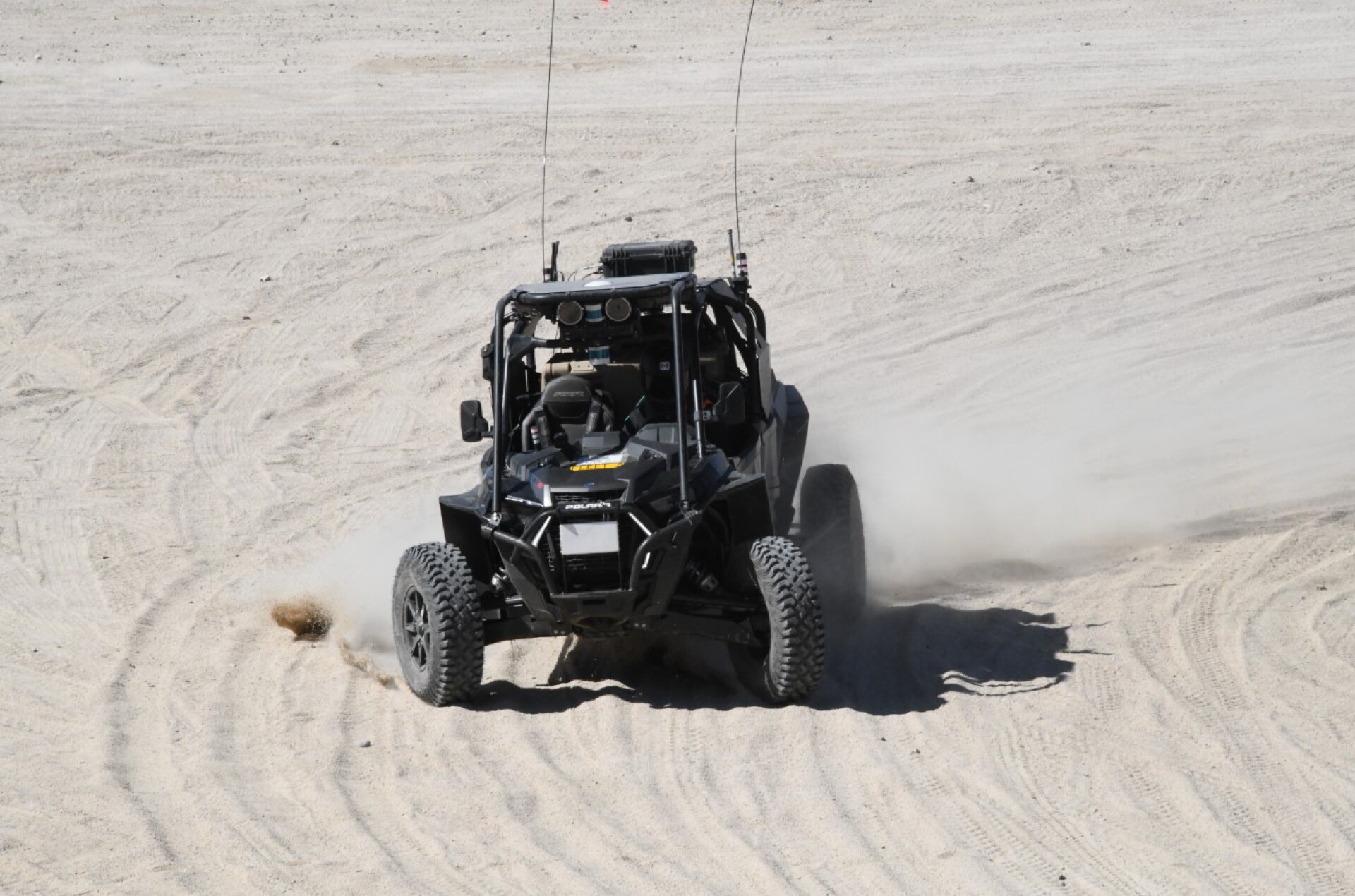
Autonomous vehicles are being introduced into the world's most advanced armies. They promise to free up human soldiers for more critical tasks. Where each truck in a supply convoy had to have several driving crews, a convoy of autonomous ones may need only one crewed vehicle. In addition, such robotic conveyances can be self-deploying, which frees up human soldiers. The goal is to produce autonomous vehicles that can act as part of combat teams, which means they have to be able to drive as fast and turn as nimbly while negotiating rugged terrain as ones driven by humans.
Imperial College London and Empa

Structures built by swarms of flying drones. Researchers in Switzerland and the UK have developed flying 3D printing robots that can build structures while flying as bees and wasps do. They say the technology could be used to erect or repair buildings in difficult spots like disaster zones or in the upper reaches of skyscrapers. The drones cooperate to deposit layers of material guided by a digital design, adapting their movements as they go. They are fully autonomous while flying but are monitored by a human controller.
https://www.imperial.ac.uk/news/239973/3d-printing-drones-work-like-bees/
Penn State University and U.S. Air Force

A novel material that can think and sense. Engineers have created a soft material that acts like a brain, simultaneously sensing, thinking, and acting upon mechanical stress. The discovery revealed the opportunity for nearly any material around us to act like its own integrated circuit: being able to ‘think’ about what’s happening around it. This could make things around us optimize and adjust in real-time. The research team is now trying to process visual information like it does with physical signals.
Saildrone
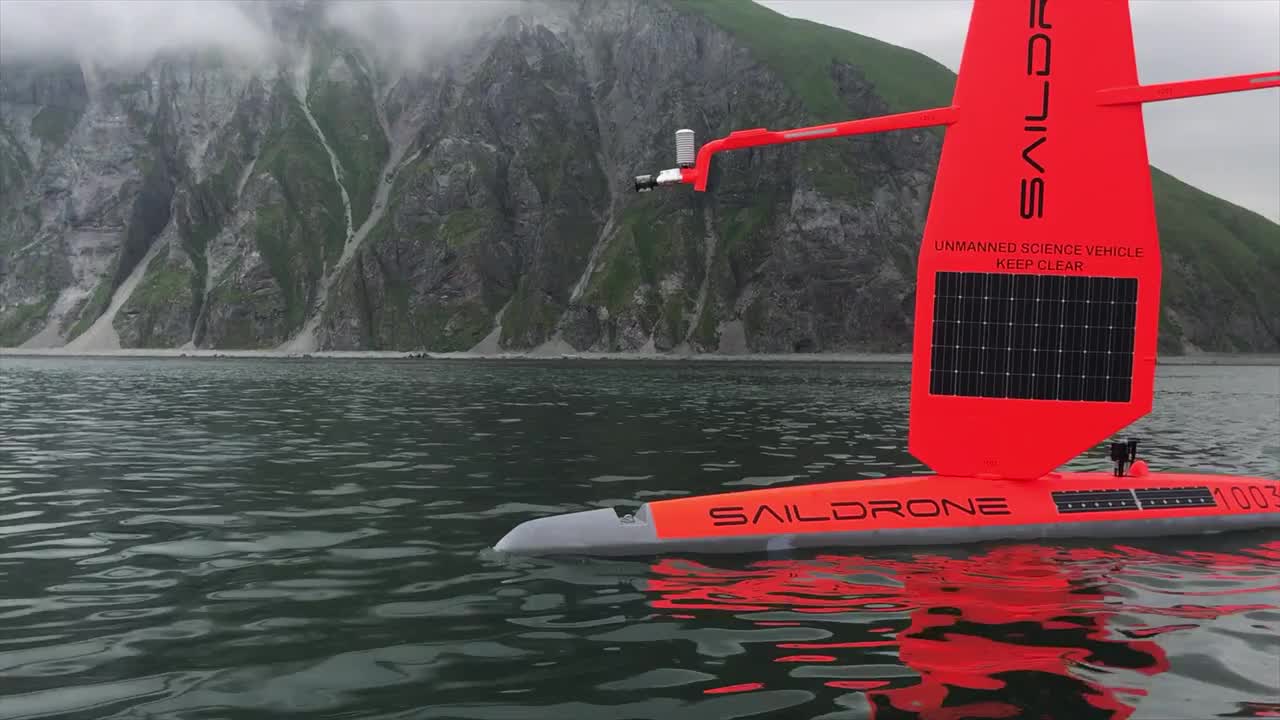

Incredible video from inside Category 4 Hurricane Fiona. Saildrone, a California-based company released video footage gathered by their uncrewed surface vehicle from inside hurricane Fiona. The ocean drone battled 50-foot waves and winds measuring over 100 mph to collect critical scientific data. At one moment, it reached a peak speed of 40 mph while surfing down a massive wave. It is one of seven hurricane saildrones deployed in the Atlantic Ocean to gather data that will help forecasters better understand the physical processes of hurricanes and give people living in the coastal communities more time to prepare.
Innovafeed

InnovaFeed is a a vertical insect farm company that harnesses insects to create nutrients for animals, including fish, poultry and pet food. They also creates organic fertilizers out of insect poop. They actually run two farms and plan on expanding into the U.S with a new production Illinois. InnovaFeed isn’t alone in its endeavor to use insects for animal protein. Another notable player in the space is Better Origin, a UK based company that is all about transforming food waste into insect feed. This could replace the cultivation of soy bean or even other animals being grown just to feed bigger ones.
##Instacart
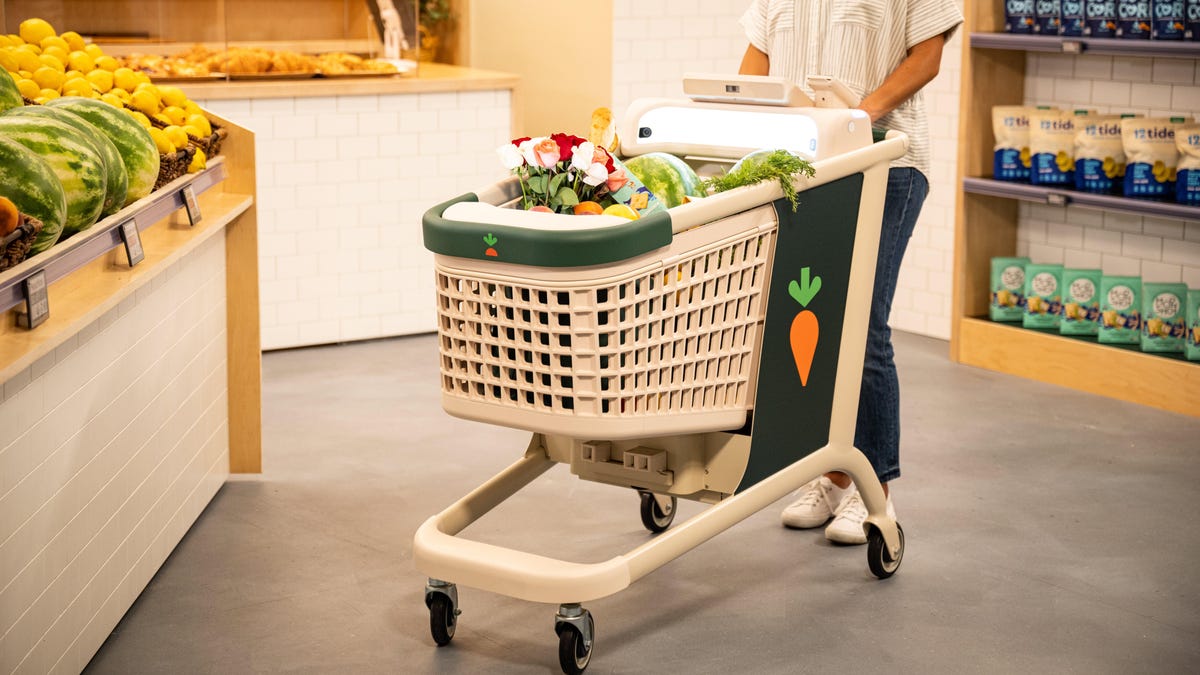
Instacart recently bought Caper, a company making smart cart that can detect what items are placed in it based on computer vision and weight. It has a touchscreen and an attached payment terminal. This sort of goes against Instacart’s delivery service goal: to remove the inconvenience of needing to go to the grocery store yourself. But as the pandemic wanes, demand for online delivery services is dropping and hurting companies like Instacart, Uber, and DoorDash. That’s what Instacart has been working on: building a white label smart shopping ecosystem that it claims can give any store a digital storefront. But also improve customer experience that can easily skip the lines.
Oregon State University & Agility Robotics
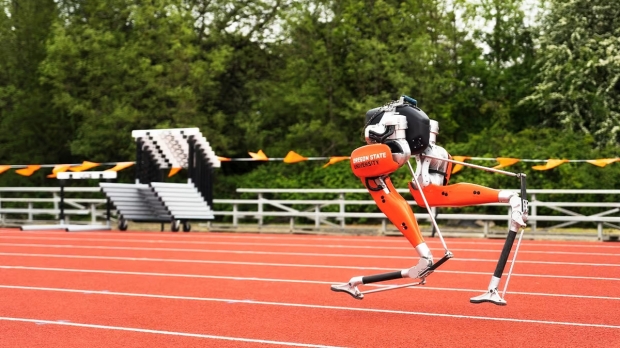
Running robot achieves Guinness World Record in 100-meter dash. The bipedal droid, who goes by "Cassie", was created by Agility Robotics at Oregon State University. It just ran the fastest 100 meters by a bipedal robot. It operated with no cameras or external sensors, meaning Cassie ran blindly. While paling in comparison to a Usain Bolt, who holds the human world record at 9.58 seconds, Cassie's time of 24 seconds is impressive considering it's the first robot to use machine learning to control it.
