Innovators of the week
Influit Energy
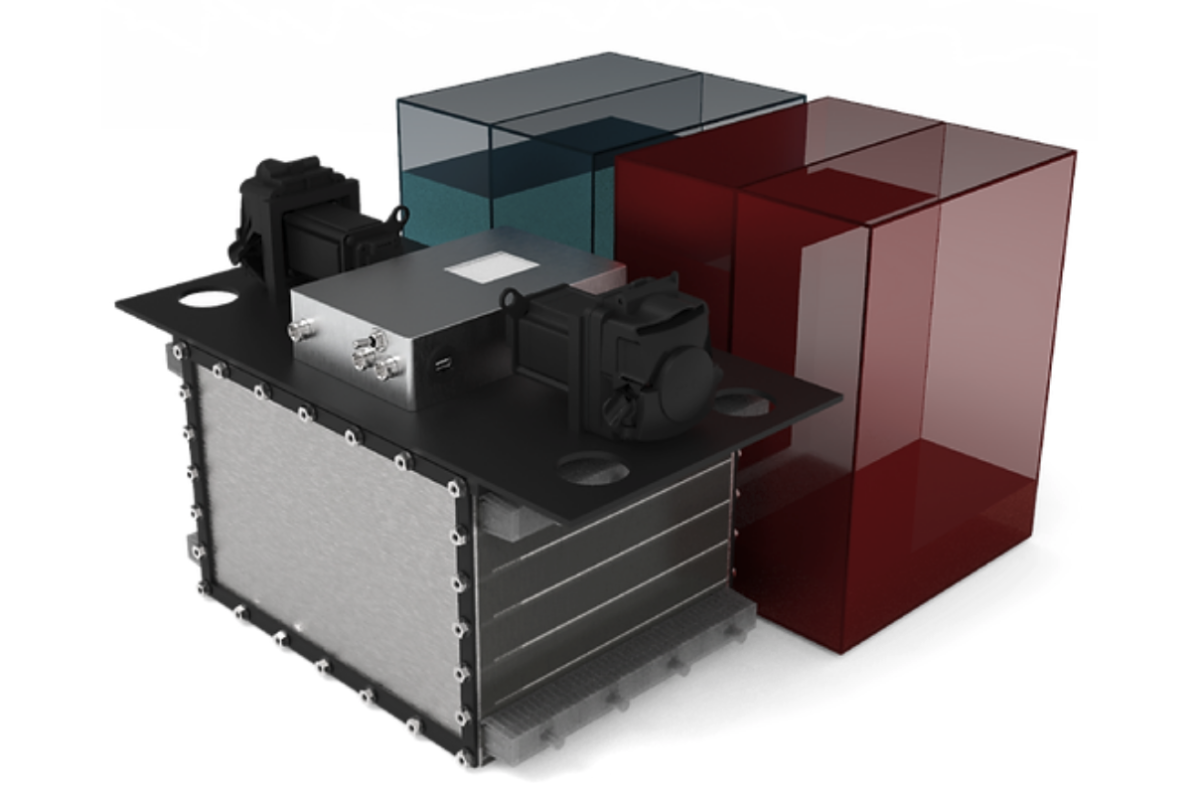
Influit Energy has created the world's first rechargeable, safe, electric fuel. The company is based on a nanofluid where the nanoparticles are battery-active materials, which it calls nanoelectrofuel. This ecosystem will consist of batteries, a refueling nozzle and control system, and a charger for fast charging of the fluids. Influit Energy is developing nano electro fuel batteries that can be recharged in any location using whatever charging mechanisms are available in that market. The goal is to reduce the mass and volume of the batteries while increasing their energy density.
https://www.influitenergy.com/
Trashbot
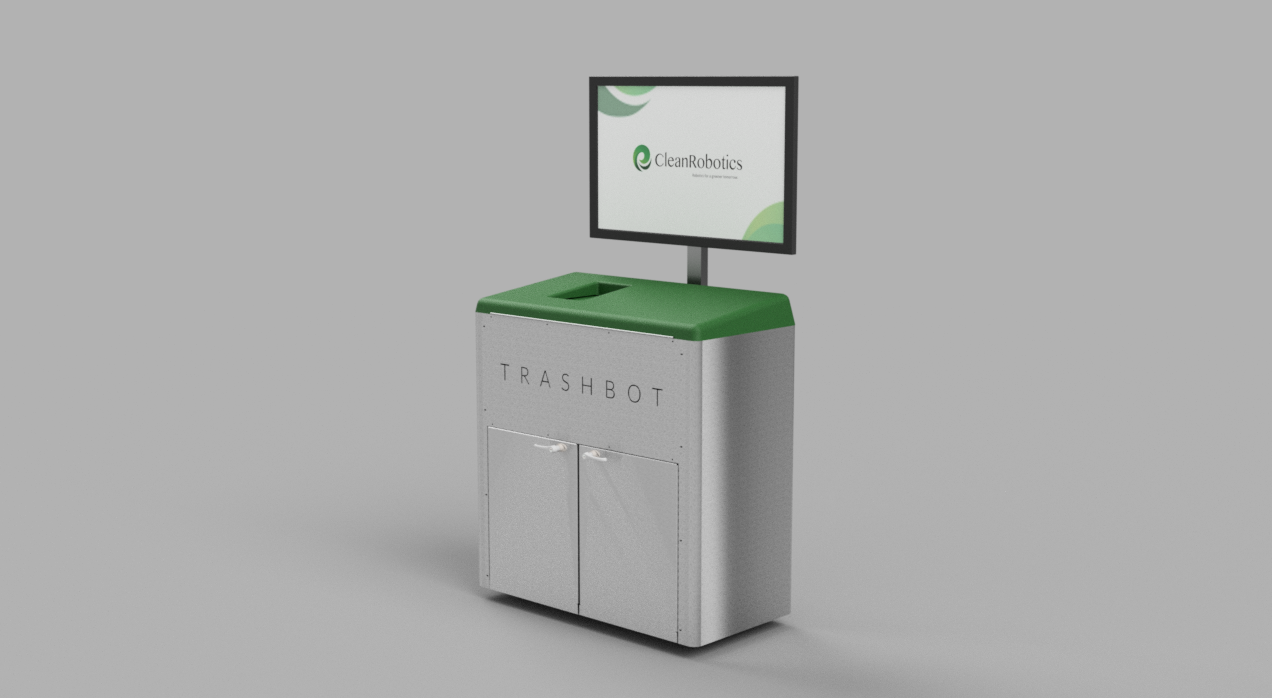
The company is building a bin that recycles your trash automatically. The trashbot system uses on-board machine learning and robotic systems to sort materials from a single disposal point. It claims the machines are able to do so with roughly 90% accuracy — not perfect, but certainly better that what humans generally do.
https://cleanrobotics.com/trashbot/
Mycel project
.jpg)
Mycel, a South Korean startup is creating fungal-based biomaterials that can replace leather and meat. The company is in talks with global cosmetic brands to co-develop mycelium-based leather products and cosmetics ingredients.
This South Korean startup is creating a biomaterial that can replace leather and meat. The company is in talks with global brands such as Hermes to co-develop mushroom-based leather products and cosmetics ingredients.
Robert Sansone
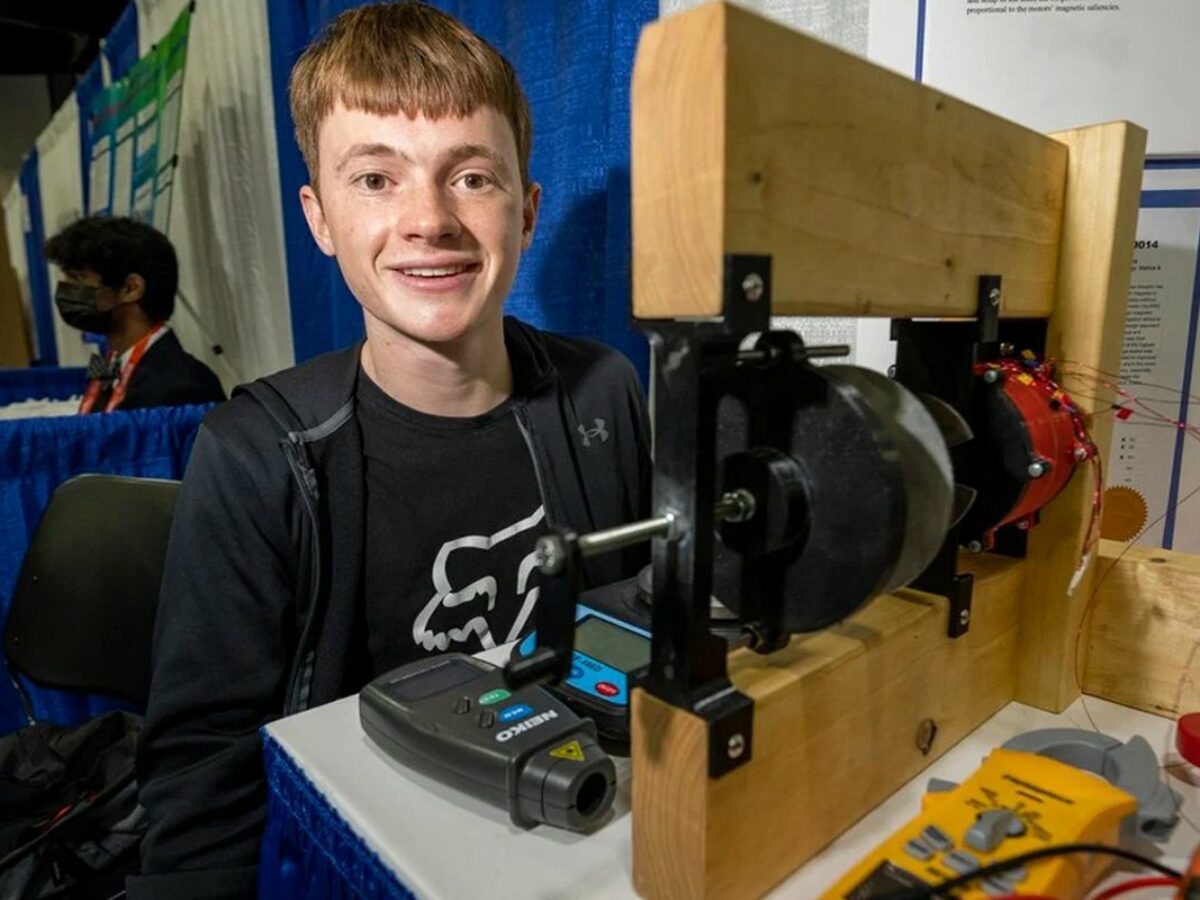
The highschooler had heard of a type of electric motor—the synchronous reluctance motor—that doesn’t use rare-earth materials. This kind of motor is currently used for pumps and fans, but it isn’t powerful enough by itself to be used in an electric vehicle. So, Sansone started brainstorming ways he could improve its performance.
Shrimpbox

A Shrimpbox farm system is a cargo container that can be located even in landlocked areas and moved accordingly to suit production needs. It includes filters, artificial intelligence-powered automation and engineering components, and is ready to use with plug-and-play.
Levidian
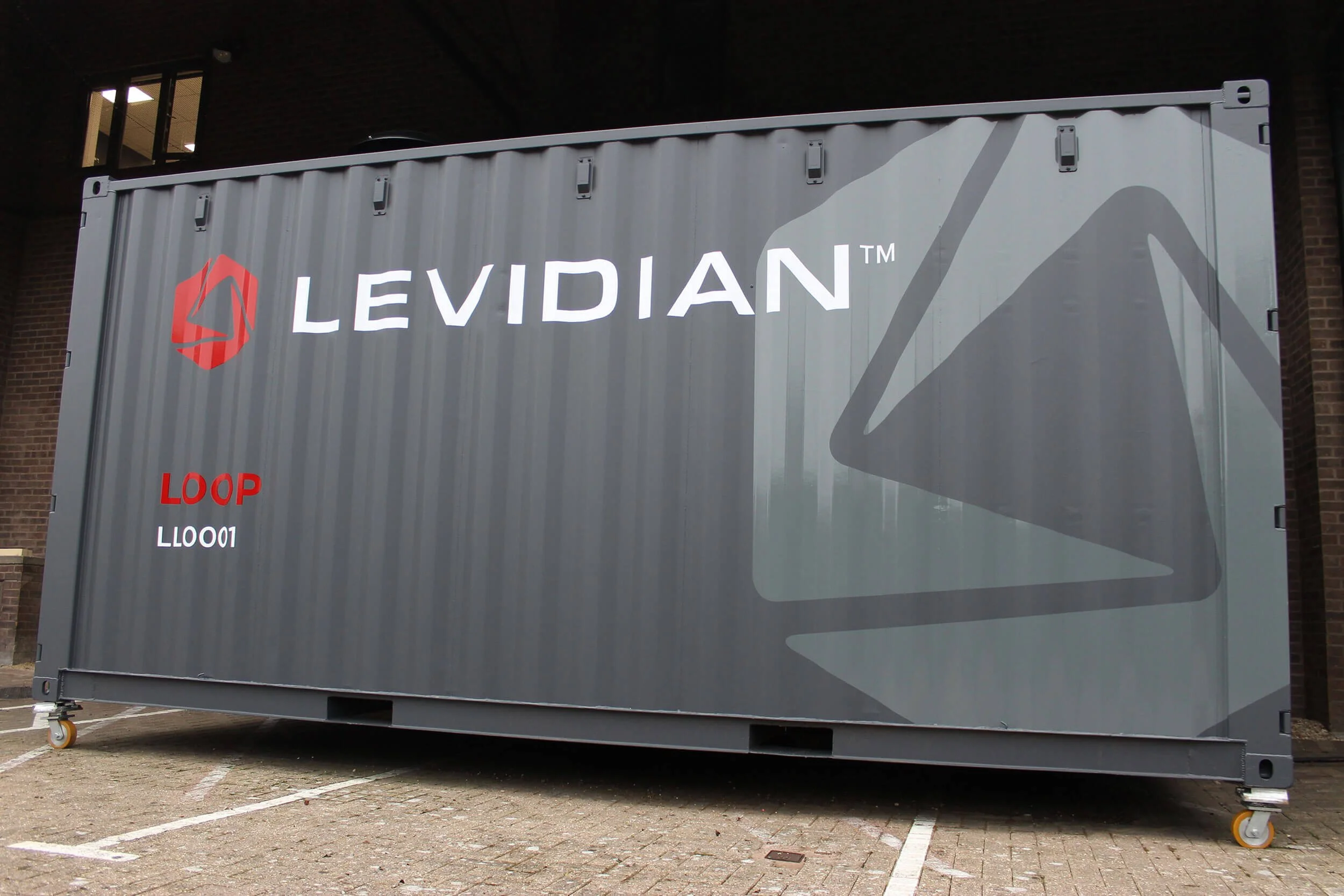
The U.K. water processing industry produces a huge amount of biogas annually. Levidian’s Loop system is trying to turn these waste gases into carbon-negative hydrogen (which can be easily stored for later use) along with graphene, which has a number of interesting use cases, including medicine, electronics and energy.
