Innovators of the week
CoffeeB by Cafe royal
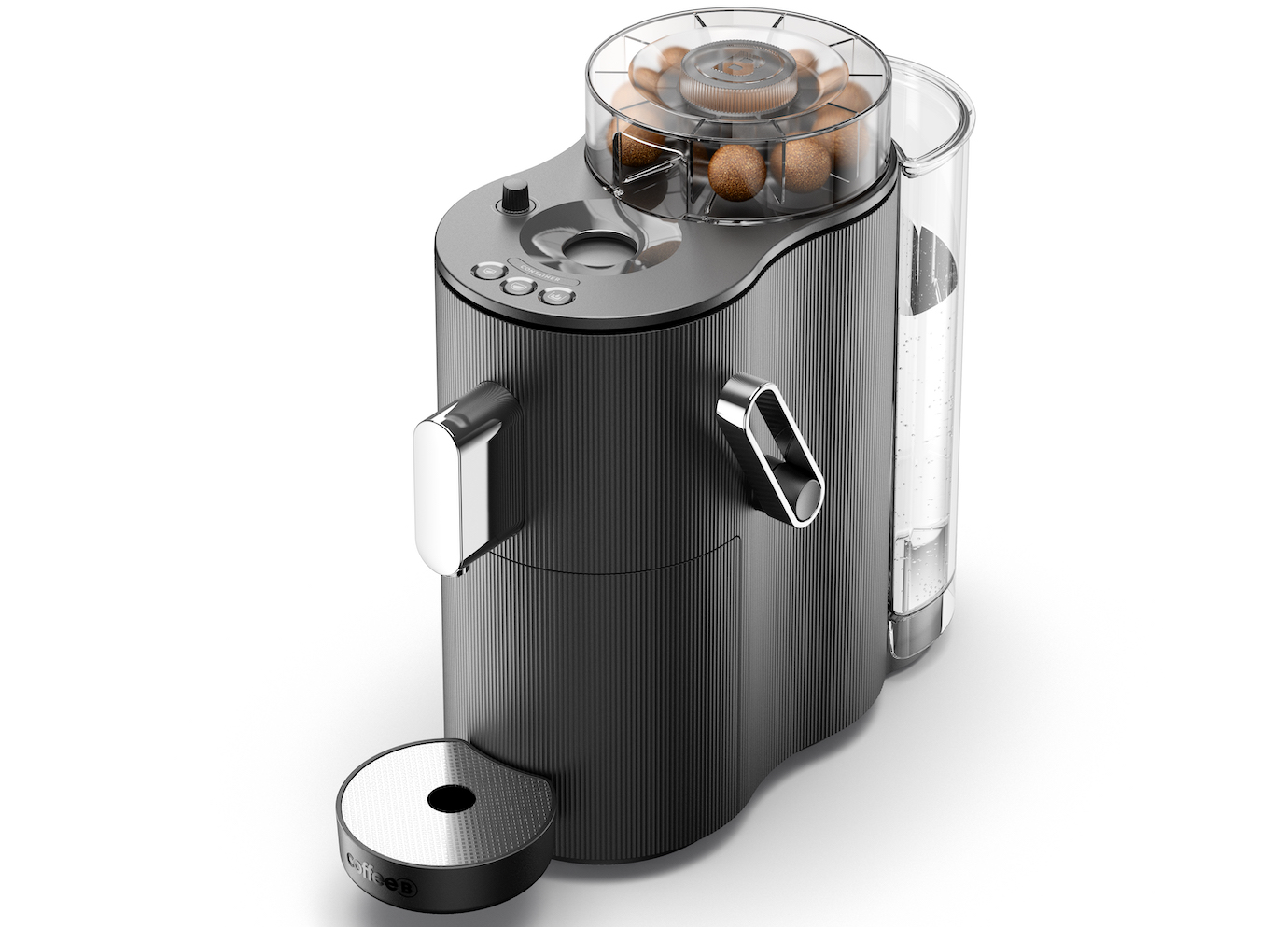
Cafe royal launched a machine that uses Coffee Balls instead of traditional capsules and generates zero waste instead of the 100,000 tons of capsule wastes produced yearly. It claims to be revolutionizing an industry plagued by colossal waste. They do so by compressing the coffee balls into a tasteless, colorless, seaweed-based layer that gives the coffee structure and protects it from flavor loss.
https://www.migros.ch/en/content/coffeeb
University of Maryland

Chitin is a building material that strengthens the exoskeletons of crustaceans and insects. Over the years, scientists have mined chitin from crustacean shells for everything from tissue engineering to making biodegradable plastic. Engineers at the University of Maryland found a way to make zinc-based batteries more durable by incorporating chitosan a Chitin derivative. This could pave the way for alternatives to lithium-ion batteries, which are becoming increasingly expensive, in addition to the environmental issues associated with lithium mining. Follow my page for daily innovation news.
https://pubmed.ncbi.nlm.nih.gov/34823772/
Joe Doucet
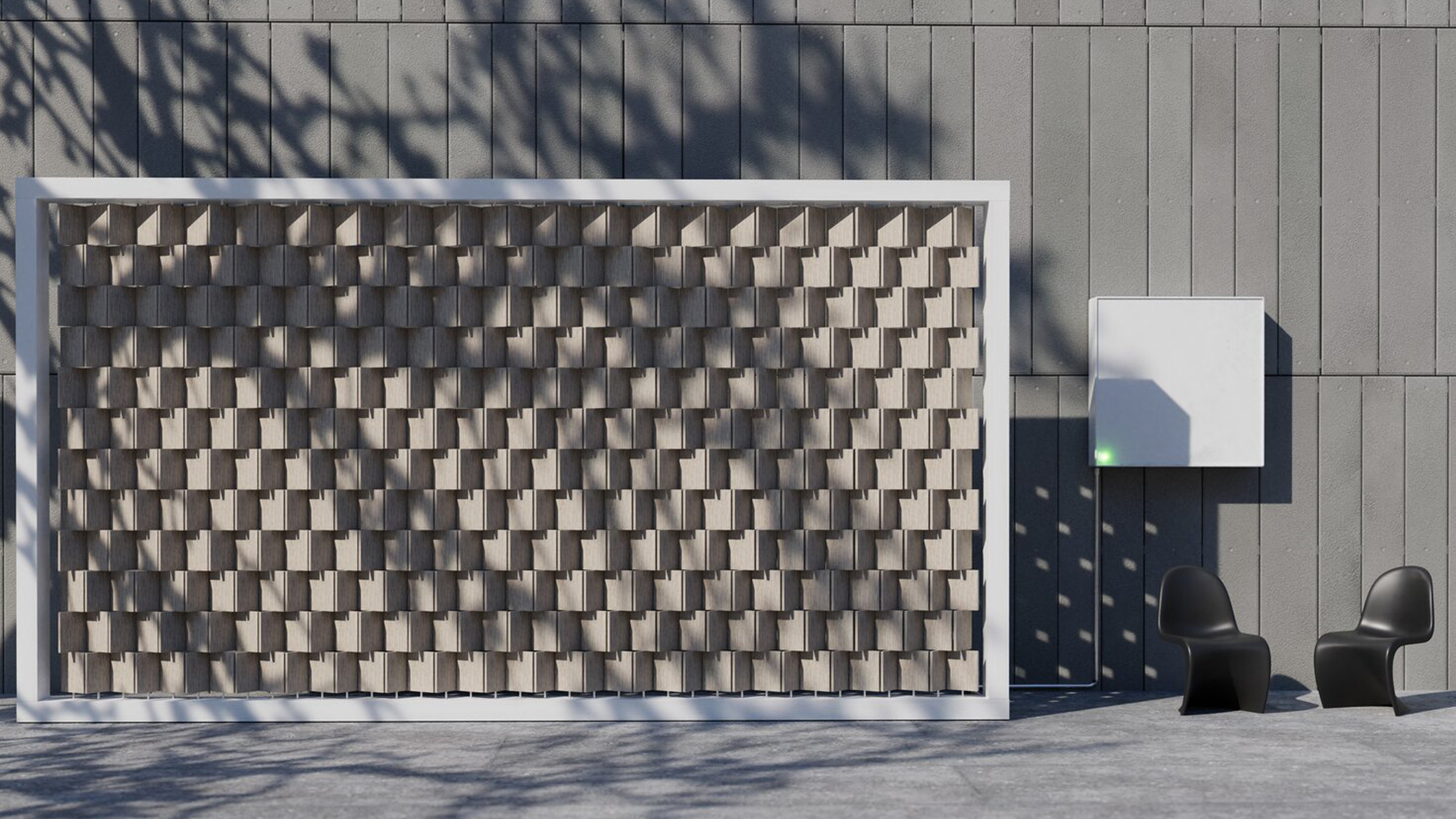
The wall features a grid of independent axes with square panes that spin. The current iteration is a 25’x8′ wall with 25 axes. It makes it a great option for urban environments where space is limited. One of these walls should be enough to provide 10,000 kilowatts of electricity per year, enough to cover the needs of an average household. The inventor's vision is to use larger-scale wind turbine walls on the side of buildings and along highways. It is easy to build a wind turbine wall on a larger scale. The challenge is using materials that can keep the weight down to prevent too much strain on the structure it is mounted on.
https://joedoucet.com/index/#/windturbinewall/
Gotham Greens

High-tech greenhouses on city roofs. Gotham Greens, a New York-based indoor farming company wants to bring more fresh greenhouse-grown produce across the US. They are expanding their network and plans to own and operate 13 high-tech hydroponic greenhouses, totaling more than 40 acres by 2023. Their systems uses up to 95% less water and 97% less land than conventional farming. All their farm are near major urban centers across the US so concentrated agricultural centers can be traded for growing spots positioned near cities centers.
Collosal
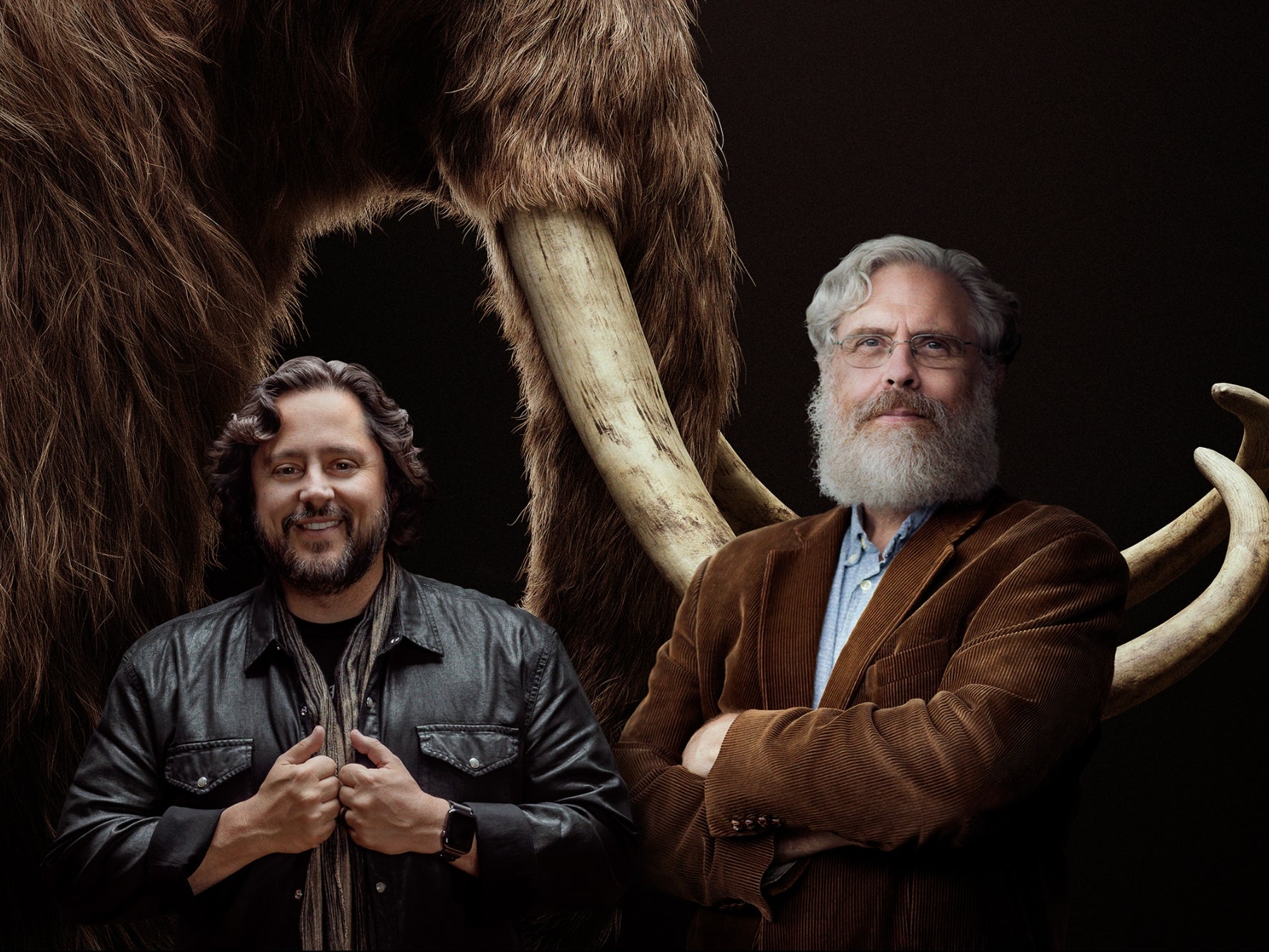
Reintroducing extinct animals. Colossal Biosciences, a Texas-based company, plans to bring back the Tasmanian tiger and the wooly Mammoth as part of its de-extinction initiative. Australian scientists have been hoping to clone the now extinct animal since 1999, to help restore balance to Tasmania's forests by picking off sick animals and controlling overabundant herbivores. Researchers are using CRISPR gene-editing technology to engineer the genome and plan on releasing a viable, genetically-diverse population of 100 animals into the wild. On next episode I'll explain their plan for the wooly mammoth. Follow my page for daily innovation news.
B.I.L.L by Nike
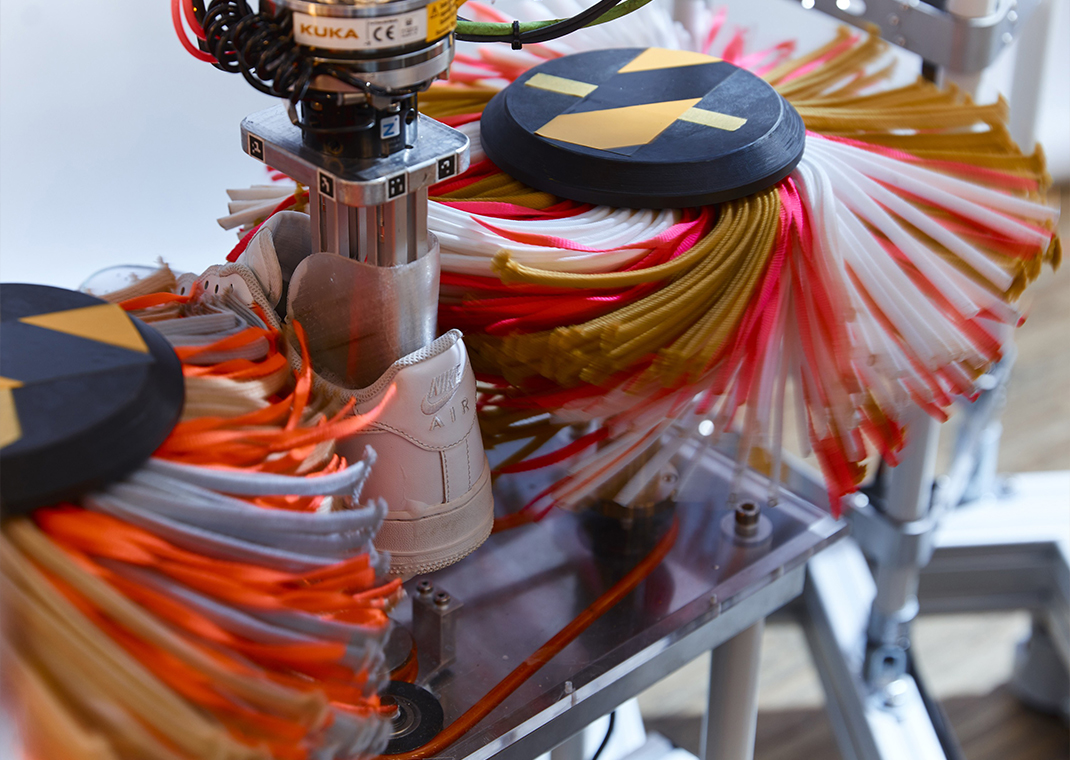
A sneaker-cleaning robot. Nike has introduced a new project called BILL, which allows users to clean their old sneakers using sustainable practices. The tool takes about 45 mins to deep clean a pair of Air Force 1, the process includes a new insole and lace set made from recycled materials. Nike Town London will be offering BILL for the rest of September for free. Nike will use the data and insights to continue to innovate on sustainable footwear practices.
