iPad Won’t Charge? Common Causes and Why Your Phone May Not Be Charging
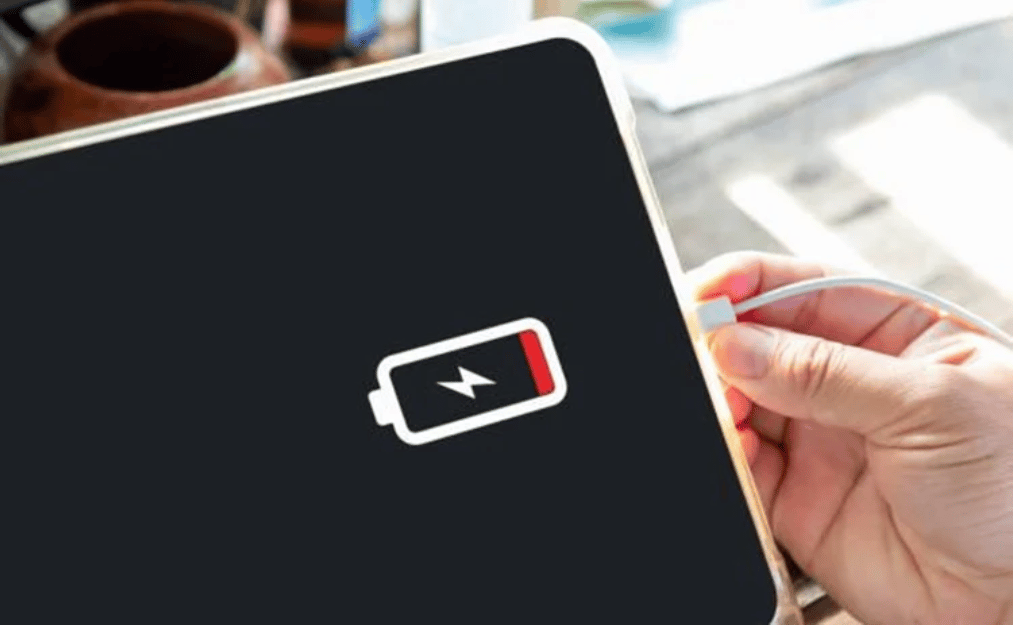
Few things are more frustrating than connecting a device to a charger and discovering that the battery percentage is not increasing. You may see a charging symbol, but the battery remains stuck at the same level, or nothing happens at all. Whether you are using a tablet or smartphone, charging problems can come from several different sources.
If you are searching for ipad wont charge, the issue could be as simple as a damaged cable, a dirty charging port, or an unsuitable power adapter. Similarly, if you are wondering why won't my phone charge, checking the charging accessories, power source, software, and battery condition can help identify the problem.
The good news is that many common charging issues can be investigated at home before professional repair becomes necessary.
Why Won’t an iPad Charge?
When an iPad does not charge, it is tempting to assume that the battery has failed. However, the battery is only one possible cause. Charging depends on several components working together, including the power adapter, cable, charging port, battery, and software.
A problem with any of these components can interrupt the charging process.
Start by checking whether the charging cable is properly connected at both ends. A loose connection may prevent electricity from reaching the device consistently. If possible, try another compatible cable and power adapter to determine whether the accessory is responsible.
If the iPad begins charging with a different setup, the original cable or adapter may be the source of the problem.
Check the Charging Cable
A charging cable can look perfectly normal while having an internal fault. Repeated bending, pulling, or twisting can eventually affect the internal wires and connectors.
If your iPad or phone charges intermittently, disconnects when the cable moves, or does not respond at all, testing another compatible cable is a useful first step.
Avoid continuing to use a cable that has exposed wires, damaged connectors, or obvious physical deterioration. A reliable cable should fit securely into the charging port without excessive movement.
Testing the device with a known-good cable can quickly help narrow down the cause.
Inspect the Charging Port
Dust, lint, and other small particles can accumulate inside a charging port, especially when a phone or tablet is regularly carried in a pocket, backpack, or purse.
A buildup inside the port can prevent the connector from making proper contact. This may result in slow charging, intermittent charging, or no charging at all.
If you suspect the port is dirty, inspect it carefully in good lighting. Avoid inserting sharp metal objects or applying excessive force, as this can damage delicate internal components.
If the port appears damaged or the connector no longer fits correctly, professional inspection may be appropriate.
Try a Different Power Source
Sometimes the device is not the problem at all. The wall outlet, power strip, computer port, or other power source may not be delivering the expected power.
Try connecting the charger to a different wall outlet. If you were previously charging through a laptop or another device, switch to a suitable wall adapter.
This simple test can help determine whether the issue is related to the external power source.
For reliable troubleshooting, change one component at a time. Testing the cable, adapter, outlet, and device separately makes it easier to identify what is actually causing the problem.
Why Won't My Phone Charge?
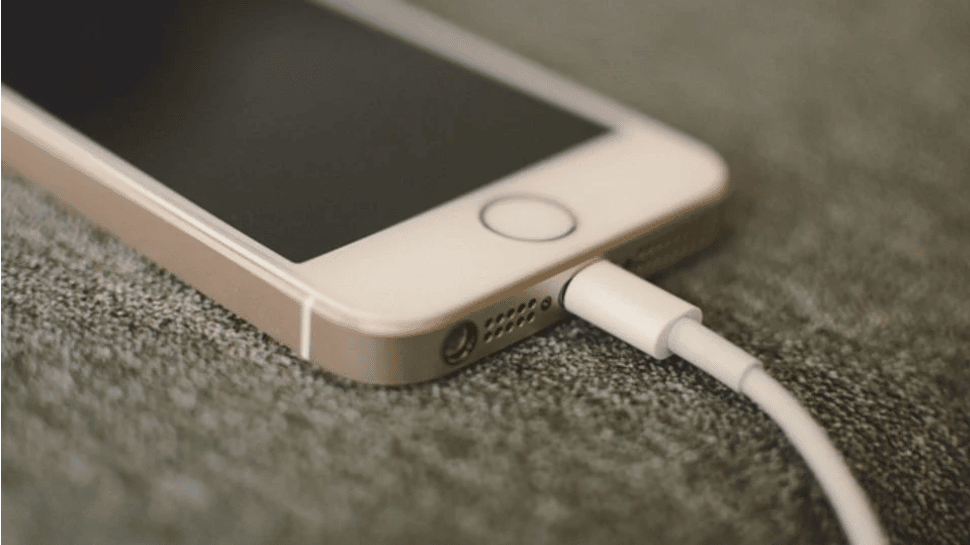
If you are asking why won't my phone charge, there are several possibilities to consider.
The most common causes include a faulty cable, incompatible or damaged adapter, blocked charging port, software issue, excessive heat, moisture detection, or battery-related problems.
Start with the easiest checks. Make sure the cable is firmly connected and test another compatible charger if available.
If another charger works normally, the original charging accessory may need to be replaced.
If multiple chargers fail to charge the phone, the problem may be with the phone itself.
Restart the Device
Software can occasionally interfere with normal charging behavior. If the phone appears unresponsive or does not recognize the charger, restarting the device may help.
A restart can clear temporary software glitches and reload the operating system.
If the battery has completely drained, the device may need to remain connected to a suitable charger for a while before it displays any visible response. Do not immediately assume that nothing is happening if the screen remains black after connecting it.
Give the device some time and then check again.
Check for Moisture
Some modern smartphones can detect moisture around the charging connector and temporarily prevent wired charging. This is an important safety feature because electricity and moisture can create dangerous conditions.
If your phone displays a moisture warning, disconnect the charger and allow the affected area to dry naturally according to the manufacturer's guidance.
Do not use excessive heat or insert objects into the charging port to speed up the drying process. If the warning continues after the device should be dry, professional assistance may be necessary.
Temperature Can Affect Charging
Extreme temperatures can also influence charging behavior.
A device that becomes too hot may temporarily limit or stop charging to protect its battery and internal components. Similarly, very cold conditions can affect battery performance.
If the phone or tablet feels unusually warm while charging, disconnect it temporarily and allow it to return to a normal temperature.
Charging the device in a well-ventilated location is generally preferable to placing it under blankets, cushions, or other materials that can trap heat.
Battery Health and Charging Problems
A battery naturally loses capacity over time. As a device gets older, its battery may hold less energy and may eventually show signs of deterioration.
Unexpected shutdowns, unusually rapid battery drain, or difficulty maintaining a charge can indicate that the battery is approaching the end of its useful life.
A battery problem is different from a simple cable or adapter failure. If multiple known-good charging accessories do not resolve the issue and the device continues to behave abnormally, battery health may need to be evaluated.
For devices with built-in batteries, professional service is generally safer than attempting to open the device yourself.
Software Updates May Help
Keeping your device's operating system updated can help maintain compatibility and resolve known software problems.
If the device can still operate normally but charging behavior has recently changed, check whether a system update is available.
However, software updates should not be considered a solution for obvious physical damage. If the charging port is broken or the cable is damaged, updating the operating system will not repair the hardware.
What to Do If Charging Is Very Slow
A device that charges slowly is not necessarily experiencing a complete charging failure.
Charging speed can depend on the adapter's power output, cable capabilities, battery level, device temperature, background activity, and the charging technology supported by the device.
Using the correct compatible charging equipment can help the device achieve its expected charging performance.
If charging becomes unusually slow compared with its normal behavior, test another suitable cable and adapter. Also check whether the device is overheating or performing intensive tasks while connected to power.
When Should You Seek Professional Help?
Home troubleshooting is useful for simple charging problems, but some situations require professional attention.
Consider getting the device inspected if the charging port is physically damaged, the battery appears swollen, the device becomes unusually hot, there is visible liquid damage, or multiple compatible chargers fail to work.
A swollen battery should be treated seriously. Avoid pressing, puncturing, opening, or continuing to charge a device with a visibly swollen battery.
Professional technicians can inspect the charging circuitry, battery, connector, and other internal components to determine the underlying issue.
Preventing Future Charging Problems
Taking care of charging accessories can reduce the likelihood of future problems. Avoid sharply bending cables and disconnect them by holding the connector rather than pulling the cable itself.
Keep charging ports reasonably clean and protect devices from unnecessary moisture and extreme temperatures.
It is also useful to keep a reliable backup cable available, particularly if you depend on your phone for work, travel, communication, or navigation.
Using compatible accessories from reputable sources is another important part of maintaining a dependable charging setup.
Final Thoughts
Charging problems can have many causes, but they do not always indicate a serious hardware failure. If your ipad wont charge, start by checking the cable, adapter, power source, and charging port. If you are asking why won't my phone charge, the same basic troubleshooting process can help identify common problems involving accessories, software, temperature, moisture, or battery condition.
The best approach is to test the simplest possibilities first and change one component at a time. This makes it easier to determine whether the issue comes from the charger, cable, power source, or device.
When there is visible physical damage, overheating, liquid exposure, or a swollen battery, avoid risky DIY repairs and seek professional assistance. With proper charging accessories and sensible device care, many common charging problems can be prevented or resolved before they become more serious.

