IPTV Banned in USA? Everything You Need to Know About IPTV Laws in 2026
Wondering if IPTV is banned in the USA? Learn the truth about IPTV legality, banned IPTV services, legal risks, and how to choose safe streaming options.
👉Please Get Real News of IPTV
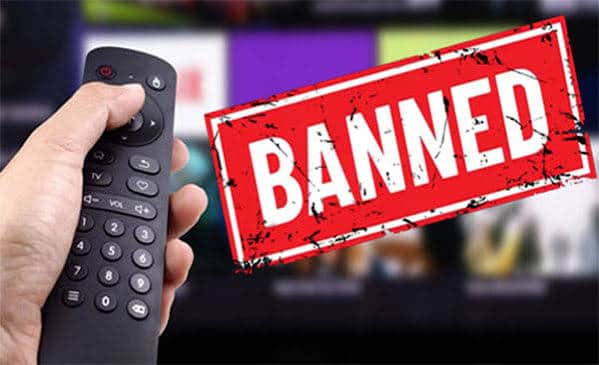
IPTV Banned in USA? Here's the Truth
If you've searched online recently, you've probably come across headlines claiming that IPTV has been banned in the USA. Social media posts, YouTube videos, and IPTV sellers often use alarming messages like "IPTV is banned in the USA" or "Buy now before IPTV disappears forever."
👉Please Get Real News of IPTV
But how much of this is actually true?
The answer is more complex than a simple yes or no. IPTV technology itself is not banned in the United States. However, many unauthorized IPTV providers have faced legal action because they streamed copyrighted television channels, movies, and sports without permission.
In this article, we'll explain what IPTV is, why some IPTV services are shut down, whether IPTV is legal in the USA, and how users can safely choose streaming services.
Is IPTV Banned in the USA?
No.
IPTV technology is not banned in the United States.
What authorities target are IPTV providers that distribute copyrighted content without obtaining proper licenses.
Licensed IPTV providers operate legally because they have agreements with broadcasters and content owners.
Illegal IPTV providers often stream premium sports, pay-TV channels, and movies without authorization, making them vulnerable to lawsuits and enforcement actions.
Why Are Some IPTV Services Shut Down?
Every year, authorities investigate IPTV networks that violate copyright laws.
Common reasons include:
Copyright Infringement
Many IPTV operators stream copyrighted television content without permission.
Anti-Piracy Operations
Government agencies and copyright organizations regularly investigate unauthorized streaming services.
Court Orders
Internet domains, servers, and payment systems can be blocked after court rulings.
Payment Processor Restrictions
Financial companies sometimes stop working with IPTV businesses involved in copyright disputes.
Why Do IPTV Sellers Say "Buy Before It's Banned"?
This is usually a marketing strategy.
Some IPTV sellers create urgency by claiming:
IPTV will disappear tomorrow.
This is the last day to buy.
Service will be banned within 24 hours.
Prices increase after today.
These claims encourage users to make quick purchases without researching the provider.
Although some IPTV services do close unexpectedly, there is no nationwide rule that all IPTV subscriptions become illegal after a specific period.
Can Users Get in Trouble for Using IPTV?
The legal situation depends on several factors, including the provider, local laws, and the content being streamed.
Using licensed streaming services generally does not create legal concerns.
Using unauthorized IPTV services may involve risks such as:
Service shutdowns
Loss of subscription fees
Privacy concerns
Malware from unofficial apps
Potential legal consequences depending on the circumstances and jurisdiction
Before subscribing, users should understand whether a service has the necessary rights to distribute its content.
How to Tell if an IPTV Service Is Legitimate
Choosing the right IPTV provider requires careful research.
Here are some signs of a trustworthy service:
Transparent Business Information
Reliable providers clearly identify their company and customer support.
Official Website
Professional IPTV companies usually maintain secure websites with detailed information.
Customer Support
Responsive support is often a good indicator of reliability.
Reasonable Pricing
If a service promises thousands of premium channels for only a few dollars, be cautious.
Legal Content
Legitimate providers clearly explain the channels and content they are licensed to distribute.
Warning Signs of Illegal IPTV Services
Watch for these red flags:
Lifetime subscriptions at extremely low prices
Anonymous payment requests only
No refund policy
No customer support
No company information
Unrealistic channel counts
Constant "Buy Now Before Ban" messages
These warning signs should encourage users to investigate further before making a purchase.
Why IPTV Services Sometimes Stop Working
Not every outage means a service has been banned.
Common reasons include:
Server Maintenance
Large IPTV systems regularly update servers.
Internet Problems
Poor internet connections can interrupt streaming.
Application Updates
Users may need to update their IPTV apps.
Provider Issues
Small providers sometimes experience technical failures.
Legal Enforcement
Some providers shut down following copyright investigations.
Frequently Asked Questions
Is IPTV illegal in America?
No. IPTV technology itself is legal. Legality depends on whether the provider has permission to distribute the content it streams.
Why are IPTV providers shut down?
Many shutdowns occur because providers distribute copyrighted content without authorization.
Can legal IPTV providers continue operating?
Yes. Providers that have the appropriate licensing agreements can legally offer IPTV services.
Is every IPTV service the same?
No. Some providers operate legally with licensed content, while others may not.
Why do IPTV services disappear overnight?
Common reasons include technical problems, business closures, financial issues, or legal enforcement.
Final Thoughts
The statement "IPTV is banned in the USA" is often misleading. IPTV as a technology remains legal and widely used by many licensed streaming platforms.
However, authorities continue to take action against providers that stream copyrighted content without permission. Because of this, some IPTV services may disappear unexpectedly, leading to confusion among users.
If you're considering an IPTV subscription, avoid making decisions based on fear or urgency. Instead, research the provider carefully, understand the terms of service, and choose platforms that operate transparently and respect copyright laws.
Making an informed choice can help you enjoy reliable streaming while avoiding unnecessary risks.


This is a useful overview. One point I'd add is that the legality of IPTV often depends less on the technology itself and more on whether the service has the necessary rights to distribute copyrighted content. For founders building streaming or media platforms, understanding licensing can be just as important as understanding the technology.