IPTV Guide 2026: Complete Beginner's Guide to IPTV Streaming
Discover the ultimate IPTV Guide for 2026. Learn how IPTV works, its benefits, setup, legality, devices, and tips to choose the best IPTV service.
✅ Start Your Free IPTV Trial Today!
Internet Protocol Television (IPTV) has transformed how people access television content. Instead of relying on satellite signals or cable infrastructure, IPTV delivers television programming over an internet connection. As broadband speeds continue to improve and streaming technology becomes more reliable, IPTV has become a popular way to watch live TV, on-demand movies, sports, news, and entertainment across multiple devices.
Whether you're completely new to IPTV or considering switching from traditional cable, understanding how IPTV works is the first step toward making an informed decision.
This IPTV Guide explains the technology behind IPTV, the different service types, supported devices, major benefits, and the key features to look for when choosing a legitimate IPTV provider.
What Is IPTV?
IPTV (Internet Protocol Television) is a method of delivering television content through internet protocol networks instead of traditional cable, satellite, or terrestrial broadcasting.
Unlike conventional television, IPTV streams content using your internet connection, allowing viewers to access programming on smart TVs, smartphones, tablets, computers, and dedicated streaming devices.
A legal IPTV service may include:
Live television channels
Video on Demand (VOD)
Catch-up TV
Cloud DVR (where offered)
TV series
Movies
Educational content
News
Kids programming
Sports (subject to licensing)
Consumers typically subscribe to licensed IPTV platforms that have permission to distribute the content they offer.
How Does IPTV Work?
IPTV delivers digital video using internet protocols. Instead of receiving broadcast signals through antennas or coaxial cables, content is streamed over broadband connections.
🚀 Get Premium IPTV Now
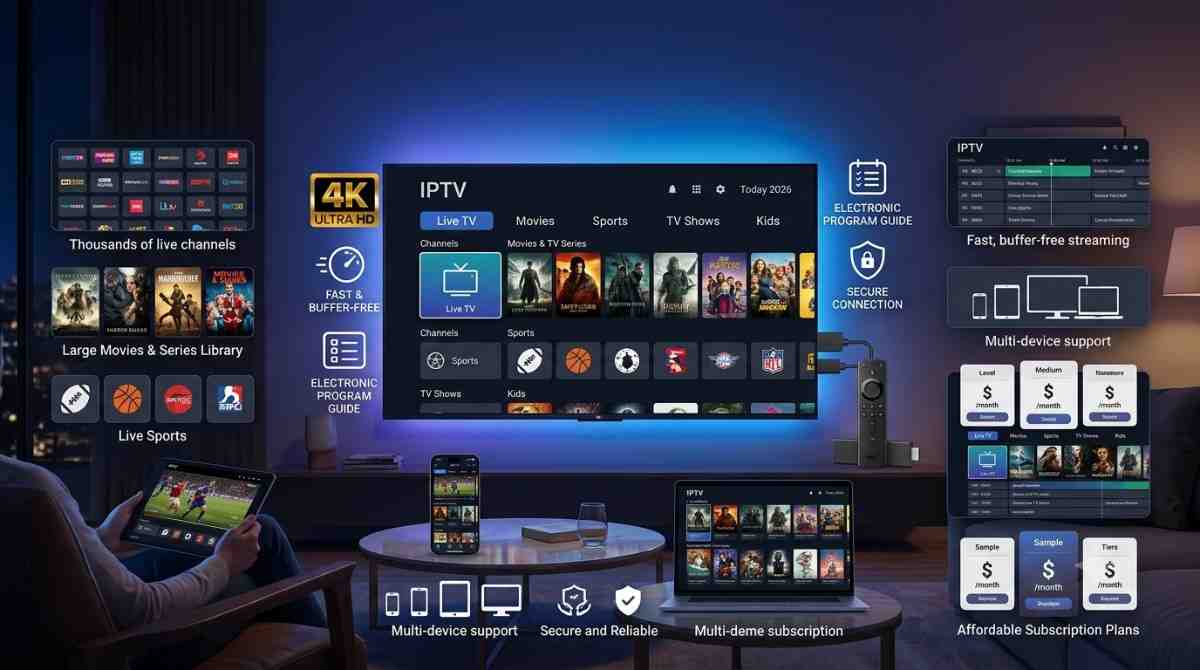
A typical IPTV workflow includes:
A licensed content provider acquires broadcasting rights.
Content is encoded into digital formats.
Video is stored or streamed from secure servers.
Data travels through the internet.
The user's IPTV-compatible device decodes and plays the stream.
The viewing experience depends on several factors:
Internet speed
Home network quality
Device performance
Streaming resolution
Server capacity
Video compression technology
A stable broadband connection generally provides the best experience for HD and 4K streaming.
Types of IPTV Services
Understanding the different IPTV formats helps you choose a service that matches your viewing habits.
Live IPTV
Live IPTV broadcasts television channels in real time, similar to traditional cable or satellite television.
Typical examples include:
News channels
Sports broadcasts
Entertainment channels
Lifestyle programming
Documentary channels
Live IPTV is ideal for viewers who enjoy watching scheduled programming as it airs.
Video on Demand (VOD)
Video on Demand allows users to choose content whenever they want instead of following a broadcast schedule.
Benefits include:
Watch anytime
Pause and resume
Search content
Personalized recommendations
Multiple genres
VOD has become one of the most popular IPTV features because it offers greater flexibility.
Catch-Up TV
Catch-Up TV lets viewers watch programs that aired previously without recording them.
This feature is useful if you miss:
News broadcasts
TV episodes
Sports highlights
Talk shows
Educational programs
Availability depends on the provider's licensing agreements.
🎯 Find the Best IPTV Service
Time-Shifted Television
Time-shifted TV enables users to pause, rewind, or restart live broadcasts.
This functionality provides greater control over live viewing and can be especially useful during sports events or breaking news.
Benefits of IPTV
Flexible Viewing
One of IPTV's biggest advantages is the ability to watch content across multiple devices from almost anywhere with a reliable internet connection.
On-Demand Convenience
Instead of waiting for scheduled broadcasts, viewers can choose from available content libraries and watch at a time that suits them.
High-Quality Streaming
Many legal IPTV services support:
HD
Full HD
4K (where available)
HDR (where supported)
Actual quality depends on both the service and your internet connection.
Multi-Device Support
A single IPTV account may support viewing on devices such as:
Smart TVs
Android TV devices
Apple TV
Streaming sticks
Smartphones
Tablets
Windows PCs
Mac computers
Supported devices vary by provider.
Personalized Experience
Many IPTV platforms include features such as:
Watchlists
Favorites
Viewing history
Continue Watching
Personalized recommendations
Multiple user profiles
These tools make it easier to find and organize content.
IPTV vs Traditional Cable TV
FeatureIPTVTraditional CableDelivery MethodInternetCable InfrastructureDevice FlexibilityHighLimitedOn-Demand ContentYesVariesMulti-Screen ViewingCommonLimitedInteractive FeaturesExtensiveLimitedSoftware UpdatesAutomaticLess FrequentRemote ViewingOften SupportedRare
For many households, IPTV offers greater flexibility than traditional cable, though it depends on internet reliability and the specific provider.
Devices That Support IPTV
Smart TVs
Many modern smart TVs include built-in apps or platforms capable of supporting licensed IPTV services.
Popular ecosystems include Android TV, Google TV, webOS, and Tizen.
Streaming Devices
Dedicated streaming devices provide an easy way to access IPTV applications on televisions that do not have built-in support.
Common examples include streaming sticks and TV boxes from major manufacturers.
Smartphones
Android and iPhone users can watch IPTV through compatible apps offered by licensed providers.
Benefits include:
Portable viewing
Live TV access
On-demand playback
Account synchronization
Tablets
Tablets offer a larger screen than smartphones while maintaining portability, making them suitable for travel or home use.
Windows and Mac Computers
Many IPTV services also provide browser-based access or desktop applications, allowing users to watch content on laptops and desktop PCs.
Essential IPTV Features
When evaluating a legitimate IPTV service, consider the following features.
Easy-to-Use Interface
A clean, intuitive interface makes it easier to browse channels, search for content, and manage your viewing preferences.
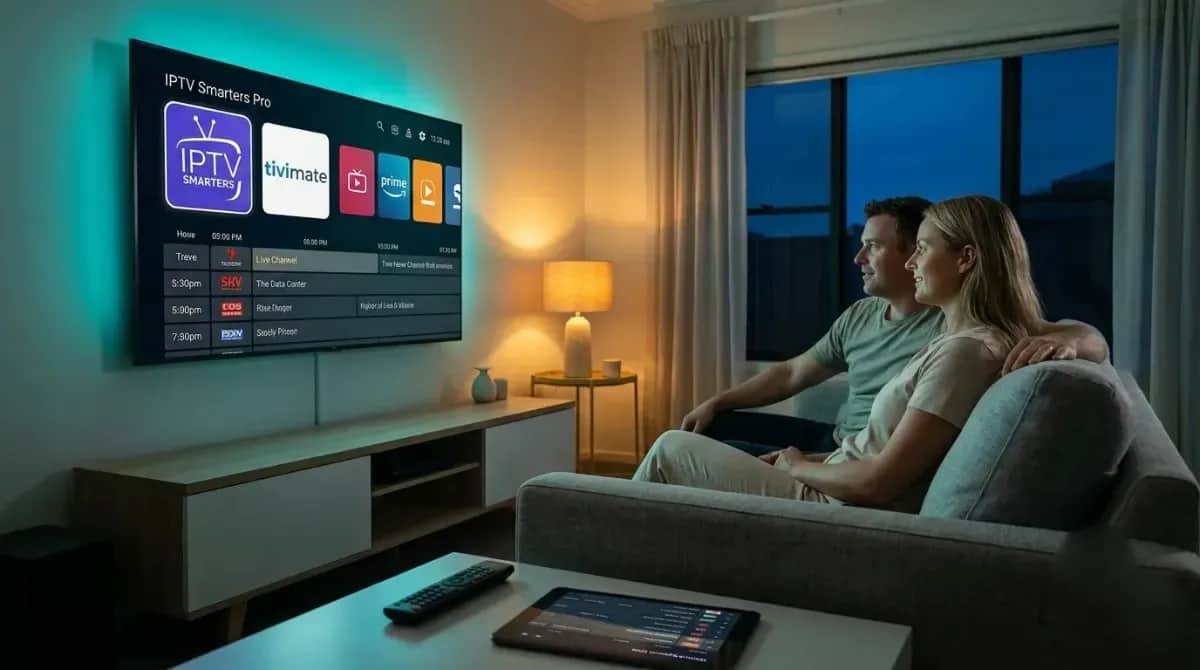
Electronic Program Guide (EPG)
An EPG displays schedules for live channels, helping users see what is currently playing and what is coming next.
Video on Demand Library
A well-organized VOD section enables users to quickly find movies, series, and other available content.
Search Functionality
Powerful search tools reduce the time needed to locate specific programs or channels.
Multi-Device Compatibility
Support for a wide range of devices ensures you can access your subscription wherever you prefer to watch.
Parental Controls
Many IPTV platforms include parental control options to help families manage age-appropriate viewing.
Regular Updates
Frequent software updates improve security, stability, compatibility, and the overall user experience.
IPTV has become a mainstream way to access television over the internet, offering flexible viewing, on-demand libraries, and support for a wide range of devices. By understanding how IPTV works, the different service types, and the features that matter most, you'll be better prepared to choose a legitimate IPTV service that fits your needs.
IPTV Guide (2026) – Part 2
How to Choose the Best Legal IPTV Service
Selecting the right IPTV service is one of the most important decisions for achieving a smooth and enjoyable streaming experience. With numerous providers offering different channel packages, pricing plans, and features, comparing services carefully before subscribing is essential.
1. Content Library
A quality IPTV provider should offer content that matches your viewing preferences. Consider whether the service includes:
Local TV channels
International channels
News
Sports (where licensed)
Entertainment
Kids' programming
Movies
TV series
Educational channels
Documentaries
Choose a provider with a well-organized and regularly updated content library.
2. Video Quality
Streaming quality directly affects the viewing experience. Look for providers that support:
SD
HD (720p)
Full HD (1080p)
4K Ultra HD (where available)
Keep in mind that higher resolutions require faster internet connections.
3. Reliability and Uptime
Consistent service availability is crucial. Consider providers known for:
Stable servers
Minimal downtime
Reliable performance
Fast channel loading
Efficient content delivery
A dependable service helps reduce interruptions during live events or on-demand viewing.
4. Device Compatibility
Ensure the IPTV service supports the devices you already own, such as:
Smart TVs
Android TV
Google TV
Apple TV
Roku (where supported)
Amazon Fire TV devices
Android phones
iPhones
Tablets
Windows PCs
Mac computers
Cross-device compatibility provides greater flexibility.
5. User Interface
An intuitive interface enhances usability. Look for features such as:
Easy navigation
Organized categories
Search functionality
Favorites list
Recently watched content
Personalized recommendations
6. Customer Support
Reliable customer support can make setup and troubleshooting much easier. Helpful support options include:
Live chat
Email support
Help center
Knowledge base
Video tutorials
FAQs
7. Pricing
Compare subscription plans based on the value they provide rather than choosing solely on price. Consider:
Monthly plans
Quarterly plans
Annual plans
Free trial availability (if offered)
Money-back guarantees (where applicable)
Internet Speed Requirements for IPTV
A stable internet connection is essential for uninterrupted streaming.
Streaming QualityRecommended SpeedSD5 MbpsHD10 MbpsFull HD20 Mbps4K UHD35–50 Mbps
Additional devices using the same internet connection may require higher overall bandwidth.
How to Set Up IPTV
Setting up a legal IPTV service is generally straightforward.
Step 1: Choose a Licensed IPTV Provider
Research and subscribe to a legitimate provider that offers the content you want to watch.
Step 2: Create an Account
Register with the provider and select a subscription plan that fits your needs.
Step 3: Install the Official App
Download the provider's official application or use the supported platform for your device.
Step 4: Sign In
Enter your account credentials to access your subscription.
Step 5: Configure Preferences
Customize settings such as:
Favorite channels
Language
Video quality
Subtitles
Parental controls
Notifications
Step 6: Start Watching
Browse live TV, on-demand content, or catch-up programming and enjoy your streaming experience.
Common IPTV Features
Modern IPTV platforms often include:
Electronic Program Guide (EPG)
Displays current and upcoming television schedules, making it easier to browse live programming.
Video on Demand (VOD)
Provides access to movies, TV series, and other content whenever you choose to watch.
Catch-Up TV
Allows viewers to watch recently aired programs that remain available for a limited time.
Cloud DVR
Some providers offer cloud recording so users can save eligible programs for later viewing.
Multi-Screen Viewing
Certain services support streaming on multiple compatible devices, depending on the subscription plan.
Watchlists and Favorites
Users can save preferred channels and content for quick access.
IPTV Security Tips
Protect your account and devices by following these best practices:
Use strong, unique passwords.
Enable two-factor authentication if available.
Keep apps and devices updated.
Download apps only from official sources.
Avoid sharing your login credentials.
Use secure home Wi-Fi with encryption.
Monitor account activity for unusual logins.
Common IPTV Problems and Solutions
Buffering
Possible causes:
Slow internet connection
Network congestion
Weak Wi-Fi signal
Solutions:
Restart your router.
Use a wired Ethernet connection if possible.
Reduce other bandwidth-heavy activities.
Lower streaming quality if necessary.
App Crashes
Possible fixes:
Update the app.
Restart your device.
Clear the app cache (if supported).
Reinstall the application.
Login Issues
If you cannot sign in:
Verify your username and password.
Reset your password if needed.
Ensure your subscription is active.
Contact the provider's support team.
Poor Video Quality
To improve picture quality:
Check your internet speed.
Close background downloads.
Select a lower or higher resolution based on your connection.
Restart your streaming device.
IPTV Best Practices
To get the most from your IPTV service:
Maintain a stable broadband connection.
Keep your streaming device updated.
Organize favorite channels.
Explore parental controls if children use the service.
Use the provider's official apps and supported devices.
Review subscription features before renewing.
Is IPTV Right for You?
IPTV may be a suitable choice if you:
Prefer streaming over traditional cable.
Want access to live TV and on-demand content in one platform.
Watch across multiple devices.
Have a reliable internet connection.
Value flexibility and personalized viewing.
If internet connectivity in your area is inconsistent, you may want to evaluate whether your connection can support the streaming quality you expect.
Preparing for the Future of IPTV
The IPTV industry continues to evolve with advancements such as:
Improved video compression technologies
Higher-resolution streaming
AI-powered content recommendations
Enhanced accessibility features
Faster content delivery through modern networks
Better cross-device synchronization
Expanded cloud-based services
These developments are expected to improve performance and user experience over the coming years.
FAQ'S
1. What is IPTV?
IPTV (Internet Protocol Television) is a technology that delivers television content over an internet connection instead of traditional cable or satellite networks. It allows users to stream live TV, on-demand movies, and TV shows on compatible devices such as Smart TVs, smartphones, tablets, and computers.
2. Is IPTV legal?
Yes, IPTV is legal when the service has the proper licenses to distribute its content. Always choose reputable IPTV providers that operate legally and have the necessary broadcasting rights for the channels and media they offer.
3. What internet speed is recommended for IPTV?
For smooth IPTV streaming, at least 10 Mbps is recommended for HD content, while 25–50 Mbps or higher is ideal for 4K streaming. A stable internet connection helps reduce buffering and improves overall viewing quality.
4. Which devices support IPTV?
Most legal IPTV services work on Smart TVs, Android TV, Google TV, Apple TV, smartphones, tablets, Windows PCs, Mac computers, and other compatible streaming devices through official apps or web browsers.
5. How do I choose the best IPTV service?
Choose an IPTV service based on its licensed content, video quality, device compatibility, customer support, pricing, and reliability. Reading user reviews and checking the provider's official features can also help you select a service that meets your entertainment needs.

