IPTV in 2027: How to Choose the best IPTV Service and Subscription
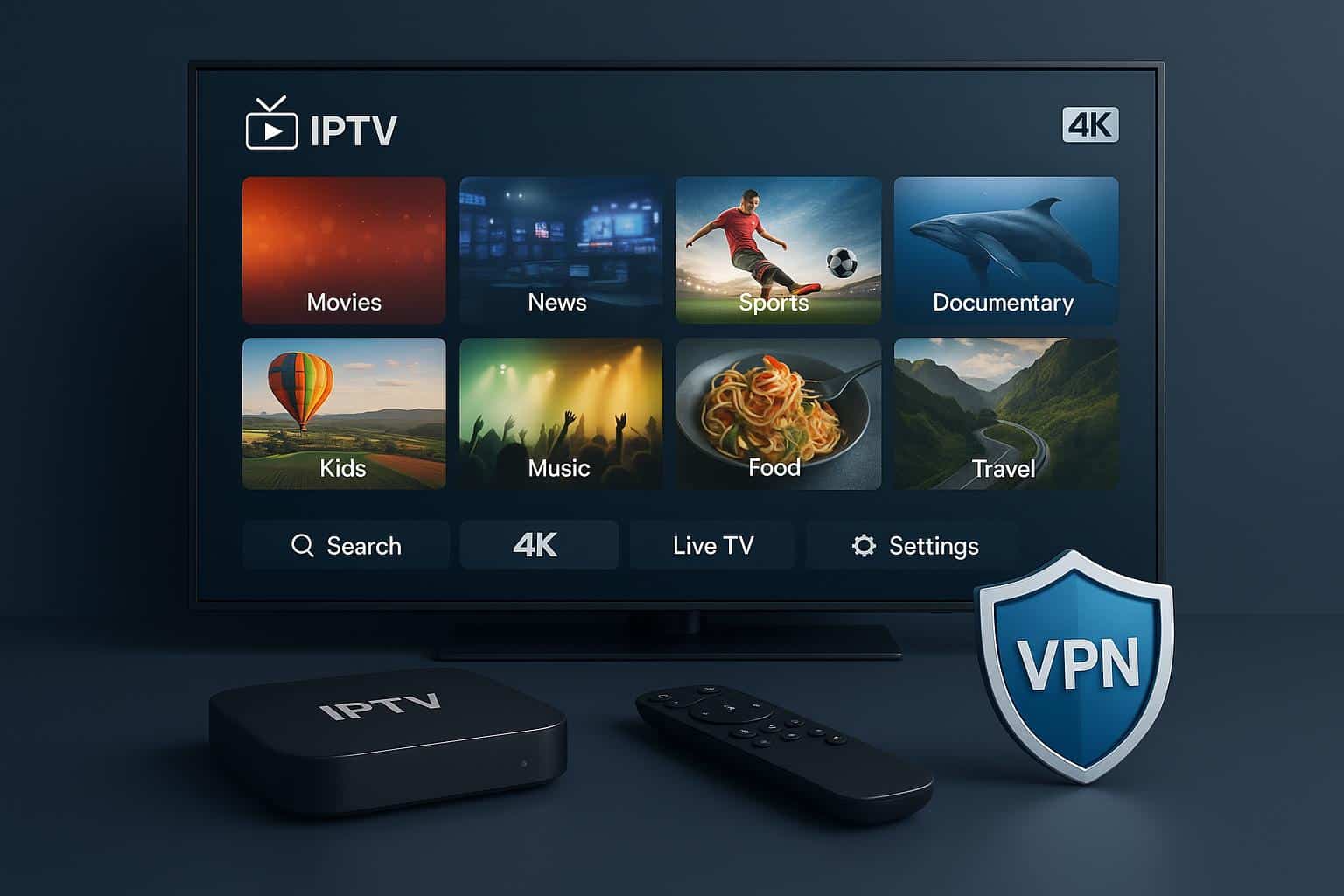
Internet television continues to change the way people watch live channels, on-demand programs, sports, news, and entertainment. Instead of depending entirely on traditional cable or satellite packages, viewers can use internet-based television services that deliver content through an internet connection. As streaming technology develops, IPTV is expected to remain an important part of the modern television landscape.
For viewers comparing services for 2027, the challenge is not simply finding the largest channel list. A good choice should also provide reliable streaming, suitable device compatibility, clear pricing, useful customer support, and access to content that the viewer is legally entitled to watch. Understanding these factors can make it much easier to compare an IPTV service before paying for an IPTV subscription.
This guide explains what to look for in an IPTV service, how IPTV works, what matters when choosing IPTV USA options, and which features may become more important as viewers move toward 2027.
What Is IPTV?
IPTV stands for Internet Protocol Television. Rather than delivering television programming through traditional broadcast, cable, or satellite infrastructure, IPTV uses internet protocol networks to transmit television content.
The basic concept is straightforward. A provider makes television programming available through a network, and compatible software or hardware receives the stream over the internet. Depending on the service, viewers may be able to watch live television, replay selected programs, access video on demand, or use other interactive features.
IPTV should not be confused with every streaming platform. Major services such as subscription video-on-demand platforms use internet delivery too, but IPTV generally refers to television services delivered through IP networks, particularly services offering live television channels.
Because the technology relies on internet connectivity, the quality of the viewing experience can depend on several factors, including bandwidth, network stability, device performance, server capacity, and video encoding.
Why IPTV Is Becoming Important for 2027
The television market is becoming increasingly internet-focused. Viewers want flexibility, and many prefer services that allow them to watch programming on televisions, smartphones, tablets, computers, and streaming devices.
This shift makes IPTV 2027 an interesting area for consumers. Future viewers are likely to pay greater attention to convenience and compatibility instead of simply choosing a traditional television package.
Several trends are particularly relevant.
First, multi-device viewing is becoming normal. A household may watch television on a smart TV in the living room, a tablet while traveling, and a phone when away from home. Services that support appropriate devices can therefore be more convenient.
Second, viewers increasingly expect high-definition and stable video. Faster home internet connections make higher-resolution streaming more practical, although resolution alone does not guarantee a good experience.
Third, personalization is becoming more important. People want simple menus, useful electronic program guides, search functions, favorites, replay options, and organized categories.
Finally, consumers are becoming more careful about what they pay for. A large channel count can look attractive, but the actual value of an IPTV subscription depends on whether the service provides content the customer wants and is authorized to access.
What Makes the Best IPTV Option?
There is no single IPTV service that is automatically the right choice for every viewer. The best option depends on location, content preferences, devices, budget, and the availability of legitimate programming rights.
However, several characteristics can help consumers make a more informed comparison.
Reliable Streaming
Reliability should be near the top of the checklist. A service that frequently buffers, disconnects, or becomes unavailable can make even a large content library frustrating to use.
When comparing providers, look for information about infrastructure, supported regions, playback quality, and customer support. If a provider offers a trial or clearly documented service period, consumers can use that opportunity to evaluate stability before committing to a longer subscription.
It is also important to remember that buffering is not always caused by the provider. Wi-Fi congestion, weak signals, outdated routers, insufficient bandwidth, and overloaded home networks can also affect playback.
Content Availability
Channel quantity is one of the most commonly advertised IPTV features, but quantity should not be the only consideration.
Think about the channels and programming that actually matter. A sports fan may prioritize live sports networks, while another viewer may care more about news, entertainment, children's programming, or international channels.
For IPTV USA users, regional availability can also matter. Some programming is restricted by territory because of licensing agreements. A legitimate service should clearly communicate what content is available in the customer's location.
Video Quality
Video quality can range from standard definition to high-definition and, where supported, 4K. However, advertised resolution should be evaluated alongside actual streaming stability.
A stable 1080p stream can be more enjoyable than a 4K stream that constantly buffers. Consumers should therefore consider both picture quality and reliability.
Compatible hardware is another factor. A viewer needs a television, streaming device, monitor, or mobile device capable of displaying the desired resolution. The internet connection must also be capable of handling the stream.
Device Compatibility
Before purchasing an IPTV subscription, check whether the service supports the devices you intend to use.
Common categories include smart TVs, Android TV devices, streaming boxes, smartphones, tablets, computers, and other compatible media players. Compatibility can vary significantly between services.
A provider should ideally explain installation requirements clearly. If the instructions are confusing or the service requires unusual software without adequate documentation, consumers should investigate carefully before subscribing.
Electronic Program Guide
An electronic program guide, commonly called an EPG, can make live television much easier to navigate.
Instead of opening individual channels without knowing what is currently playing, viewers can browse scheduled programming through a guide. A useful EPG may show current programs, upcoming broadcasts, channel categories, and program descriptions.
For people who watch many live channels, a well-organized guide can be more valuable than having hundreds of additional channels that they never watch.
Customer Support
Technical problems can happen with any internet service. Good customer support can make troubleshooting much easier.
Before subscribing, check whether the provider publishes clear contact information and support documentation. Look for information about installation, account management, billing, compatible devices, and common playback problems.
Consumers should be cautious about services that make large promises but provide little information about who operates the service or how customers can obtain assistance.
Transparent Pricing
Pricing should be easy to understand. A legitimate IPTV provider should clearly explain subscription periods, renewal terms, included features, and any additional charges.
Avoid making a decision solely because a package is unusually cheap. Extremely low prices combined with enormous promises may deserve additional scrutiny, particularly when the provider does not clearly explain its licensing or business information.
Comparing the total cost over the intended subscription period is more useful than comparing an introductory price alone.
Understanding IPTV Subscriptions
An IPTV subscription generally provides access to a provider's television platform for a defined period. Depending on the service, subscriptions may be monthly, quarterly, annual, or offered through other billing arrangements.
Before buying, consumers should check exactly what is included.
Questions worth asking include:
Which channels and programs are available in my country?
• Are the advertised channels currently available?
• Which devices are supported?
• Is there a trial period?
• What happens when the subscription expires?
• How are cancellations handled?
• Is customer support available?
• Are there additional setup or equipment costs?
• Does the provider have the necessary rights to distribute the content?
These questions can prevent misunderstandings later.
IPTV USA Considerations
People searching for IPTV USA services should pay particular attention to regional availability and content rights. Television licensing can differ by country, and a channel available in one territory may not be legally available in another.
Consumers should also consider local internet conditions. A fast fiber connection can provide a different experience from a congested wireless network, even when both users purchase the same service.
Another useful consideration is device compatibility. Many U.S. households use smart televisions and dedicated streaming devices, so checking compatibility before purchasing can save time.
Instead of focusing only on how many channels are advertised, compare the channels you actually need, the service's reliability, its interface, support options, and its terms.
Legal and Safety Considerations
One of the most important parts of choosing an IPTV service is understanding whether the provider is authorized to distribute the content it offers.
The term IPTV describes a delivery technology. It does not automatically mean that every IPTV service is legal or licensed.
Some services legitimately distribute television programming through internet networks. Others may offer copyrighted channels or premium events without appropriate authorization.
Consumers should therefore investigate the provider's business information, terms of service, content rights, and reputation before subscribing. Avoid services that encourage bypassing copyright restrictions, provide suspiciously broad premium content at unrealistic prices, or make unclear claims about licensing.
It is also wise to protect personal and financial information. Use secure payment methods, avoid giving unnecessary credentials to unknown services, and make sure applications come from trustworthy sources.
How Internet Speed Affects IPTV
Internet speed is an important part of the IPTV experience, but raw download speed is not the only factor.
Network stability, latency, Wi-Fi interference, router quality, and congestion can all affect playback. A household with several people simultaneously using video calls, gaming services, cloud applications, and streaming platforms may experience congestion.
For the best experience, connect a compatible television or streaming device through Ethernet when practical. If Wi-Fi is necessary, placing the router in a suitable location and using a modern wireless standard can help.
Consumers should also remember that the required bandwidth depends on video resolution and compression. Higher-quality streams generally require more data.
Features to Watch as IPTV Moves Toward 2027
The IPTV market is likely to continue evolving. While specific features will vary between providers, several developments are worth watching.
Better personalization may become more common. Services can organize channels and recommendations around viewing habits, making it easier to find relevant programs.
Improved search is another useful direction. Instead of scrolling through long channel lists, viewers may increasingly expect fast searches across live and on-demand content.
Cross-device synchronization may also become more important. Consumers want a service to feel consistent when moving from a television to a mobile device or computer.
Accessibility features deserve attention as well. Closed captions, audio descriptions, adjustable interfaces, and other accessibility tools can make television more useful to a wider audience.
At the same time, privacy and security will remain important. Consumers should understand what account information an application collects and how that information is handled.
How to Compare IPTV Services
A simple comparison process can help narrow down the options.
Start by defining your requirements. Write down the channels, genres, sports, languages, and devices that matter most.
Next, check availability in your country. Do not assume that an advertised channel list applies everywhere.
Then investigate technical features. Look at supported resolutions, EPG functionality, device compatibility, playback options, and support documentation.
After that, review pricing and subscription terms. Calculate the cost for the period you actually expect to use the service.
Finally, investigate legitimacy and reputation. Look for transparent information about the company, content rights, customer support, and terms.
This approach is more useful than selecting a provider based only on a large channel number.
Common IPTV Mistakes to Avoid
One common mistake is choosing the biggest channel package without checking whether the channels are relevant.
Another is purchasing a long subscription immediately without testing compatibility or reliability. If a legitimate provider offers a trial, testing it first can be useful.
A third mistake is ignoring licensing. A service can technically work while still failing to provide the necessary rights for its content.
Consumers should also avoid downloading applications from questionable sources. Unverified software can create security and privacy risks.
Finally, do not assume that every buffering problem is the provider's fault. Test your home network, router, Wi-Fi signal, and device before reaching a conclusion.
Is an IPTV Subscription Worth It?
Whether an IPTV subscription is worthwhile depends on the viewer's needs.
For someone who wants flexible access to legitimate live television across compatible devices, an IPTV service can provide a convenient alternative to traditional television distribution.
For another viewer who watches only a few programs, a conventional streaming platform or free legal service may be sufficient.
The important point is to compare actual usage rather than marketing claims. Calculate how much you will use the service, which channels matter, what devices you will use, and what you are receiving for the subscription price.
A good IPTV experience is about more than a long list of channels. Reliability, legal access, usability, compatibility, security, and customer support all contribute to the overall value.
Final Thoughts on IPTV in 2027
IPTV is becoming an increasingly familiar way to deliver television over internet networks, and the technology will continue to evolve as consumers expect more flexibility from their entertainment services.
For anyone researching IPTV 2027 options, the most useful strategy is to look beyond headline claims. Compare content availability, streaming stability, video quality, supported devices, electronic program guides, customer service, pricing, security, and content authorization.
People searching for the best IPTV service should also remember that the right choice is personal. A sports viewer, a family, an international viewer, and a casual television watcher may all have different requirements.
Before purchasing an IPTV subscription, take time to understand what the service provides, whether the content is authorized in your region, and whether your devices and internet connection can support it. A careful comparison can help you choose an IPTV service that fits your actual viewing needs while avoiding unnecessary costs and potential security or legal problems.
As 2027 approaches, IPTV will likely remain part of the broader shift toward internet-based television. The services that provide clear information, dependable technology, useful features, responsible content distribution, and transparent customer terms will be easier for consumers to evaluate. For viewers, informed comparison remains the most practical way to find a service that matches their needs..

