IPTV Packages: A Simple Guide to Picking the Right Plan for Your Home
Confused by IPTV packages? Learn what to look for, how pricing works, and how to pick a plan that actually fits your household.
👉 "Start Your Free IPTV Trial"
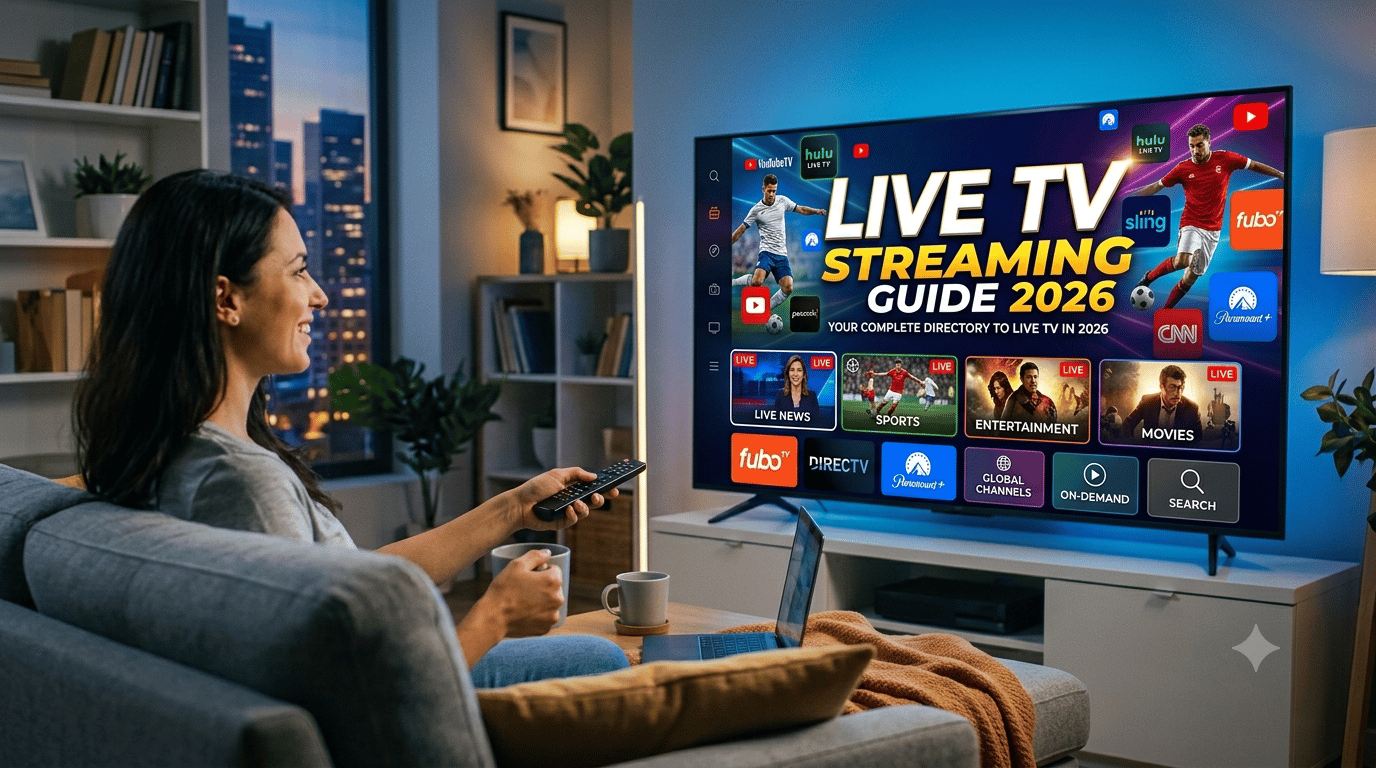
Streaming has changed the way most of us watch TV, and IPTV packages are a big part of that shift. If you've spent any time comparing plans, you've probably noticed the options can look pretty similar at first glance. Prices, channel counts, and features all blur together after a while.
This guide breaks things down in plain language. By the end, you'll know exactly what to check before you sign up for any plan, and what separates a solid choice from a shaky one.
What Are IPTV Packages, Exactly?
IPTV stands for Internet Protocol Television. Instead of using a satellite dish or a cable box, your TV signal travels over the internet, the same way a video call or a streaming movie does.
An IPTV package is simply a bundle of channels, features, and pricing tiers that a provider puts together for subscribers. Some bundles focus on sports. Others lean toward news, movies, or international channels for specific communities.
The setup usually works like this:
You subscribe to a plan through a provider's app or website
You install the app on a smart TV, streaming box, phone, or tablet
You log in and start watching live channels or on-demand content
That's the short version. The details, though, are where people either save money or end up frustrated.
Why So Many People Are Switching
Cable bills have climbed for years, and a lot of households are tired of paying for hundreds of channels they never watch. Streaming-based services let you pick a plan that fits your actual viewing habits.
A few reasons this shift keeps growing:
Flexibility – Watch on a phone, laptop, TV, or tablet without extra equipment fees.
No long contracts – Most plans run month to month, so you're not locked in for two years.
Easier setup – No technician visit required. You install an app and log in.
Content variety – Many packages include news, sports, and entertainment from different regions.
None of this means every plan is worth your money. That's why comparing packages carefully still matters.
What to Look for Before You Buy
A flashy homepage doesn't tell you much about day-to-day reliability. Here's what actually matters when you're comparing options.
1. Licensing and Legitimacy
Always confirm that a service has proper rights to distribute the channels it offers. Legitimate, licensed streaming services (think major live-TV platforms tied to established broadcasters) are the safest route. Unlicensed services may look cheaper, but they carry real risks: sudden shutdowns, no customer support, and potential legal issues in some regions.
2. Channel Lineup That Matches Your Habits
Don't just count channels. Check whether the lineup actually includes what you watch — local news, specific sports leagues, or the movie channels your family enjoys.
3. Video Quality and Stream Stability
Look for clear information about streaming quality (SD, HD, or 4K where available) and whether the provider publishes any uptime or reliability information. A provider that's upfront about this tends to be more trustworthy than one that stays vague.
4. Device Compatibility
Check that the service works on the devices you already own — Roku, Fire TV, Apple TV, Android TV, or a regular web browser. Compatibility issues are one of the most common complaints among new subscribers.
5. Customer Support
A provider with real, responsive support (live chat, email, or phone) is worth more than one offering rock-bottom prices with no way to reach anyone when something breaks.
How to Choose the Best IPTV Services in 2026
With so many options on the market, narrowing things down comes easier when you ask yourself a few direct questions:
Does this provider operate legally and transparently?
Can I test it with a short trial before committing to a longer plan?
Are reviews from real users mostly consistent, or full of complaints about outages?
Does the pricing match what I'm actually getting?
Is there a clear cancellation process if I want to stop?
Take time to compare two or three legitimate options side by side rather than jumping at the first ad you see. A little research upfront saves headaches later.
Common Mistakes to Avoid
Chasing the cheapest price without checking legitimacy or reviews
Ignoring device compatibility and finding out too late that your smart TV isn't supported
Skipping the trial period when one is offered
Not checking for hidden fees, like extra charges for additional simultaneous streams
Avoiding these few mistakes puts you ahead of most first-time subscribers.
Keeping Up With IPTV Updates
Providers regularly roll out an iptv update to fix bugs, add channels, or improve app performance. It's worth keeping your app updated and checking the provider's official announcements every so often, especially if you notice buffering or missing channels. A quick update often solves problems that look bigger than they actually are.
Is It Worth Switching to an IPTV Package?
For most households, yes — especially if your current cable or satellite bill has crept higher than you'd like. The savings, flexibility, and device options make a well-chosen plan a practical upgrade for a lot of people.
That said, it's not automatically better for everyone. If you rarely watch live TV or you're satisfied with a single existing service, there may be no reason to switch. The right call depends on your viewing habits and budget, not on marketing claims.
Frequently Asked Questions
1. What is the difference between IPTV and regular cable? IPTV delivers content over the internet instead of through satellite dishes or coaxial cable lines, which usually means more flexibility in how and where you watch.
2. Do I need special equipment for an IPTV package? Most services just require an app installed on a smart TV, streaming box, phone, or computer. No dish or extra cable box is needed.
3. How many devices can I use with one subscription? This depends on the provider and plan. Some allow one stream at a time; others support multiple simultaneous streams.
4. Are IPTV packages legal? Licensed services that pay for proper content rights are legal. Always verify a provider's licensing before subscribing.
5. What internet speed do I need for smooth streaming? A stable connection of at least 10–25 Mbps is generally recommended for HD streaming, with higher speeds needed for 4K content.
6. Can I cancel my IPTV subscription anytime? Most reputable providers offer month-to-month billing with straightforward cancellation. Always check the terms before signing up.
7. Do IPTV services offer on-demand content? Many do, in addition to live channels, though the amount of on-demand content varies by provider.
8. Why do some IPTV services cost so little? Extremely low prices can sometimes signal unlicensed content or unreliable service. Compare pricing against what's realistic for licensed content delivery.
9. Can I watch IPTV on multiple TVs in my home? Yes, as long as your plan allows multiple simultaneous streams or you install the app on each device separately.
10. How do I know if a provider is trustworthy? Look for transparent licensing information, responsive customer support, real user reviews, and a clear refund or trial policy.
🚀 Choose the Best IPTV Service Today
Final Thoughts
Picking from the many IPTV packages available today doesn't have to be overwhelming. Focus on legitimacy first, then match the channel lineup and features to how your household actually watches TV. A little comparison shopping goes a long way toward finding a plan you'll actually be happy with a year from now.
Ready to make the switch? Start by listing the channels your family watches most, then compare two or three licensed providers against that list before you commit to anything.

