IPTV Reviews: How to Choose a Premium IPTV Service in 2026
Looking for honest IPTV reviews? Learn how to choose a legal premium IPTV service with expert tips and trusted insights from nigma.tv.
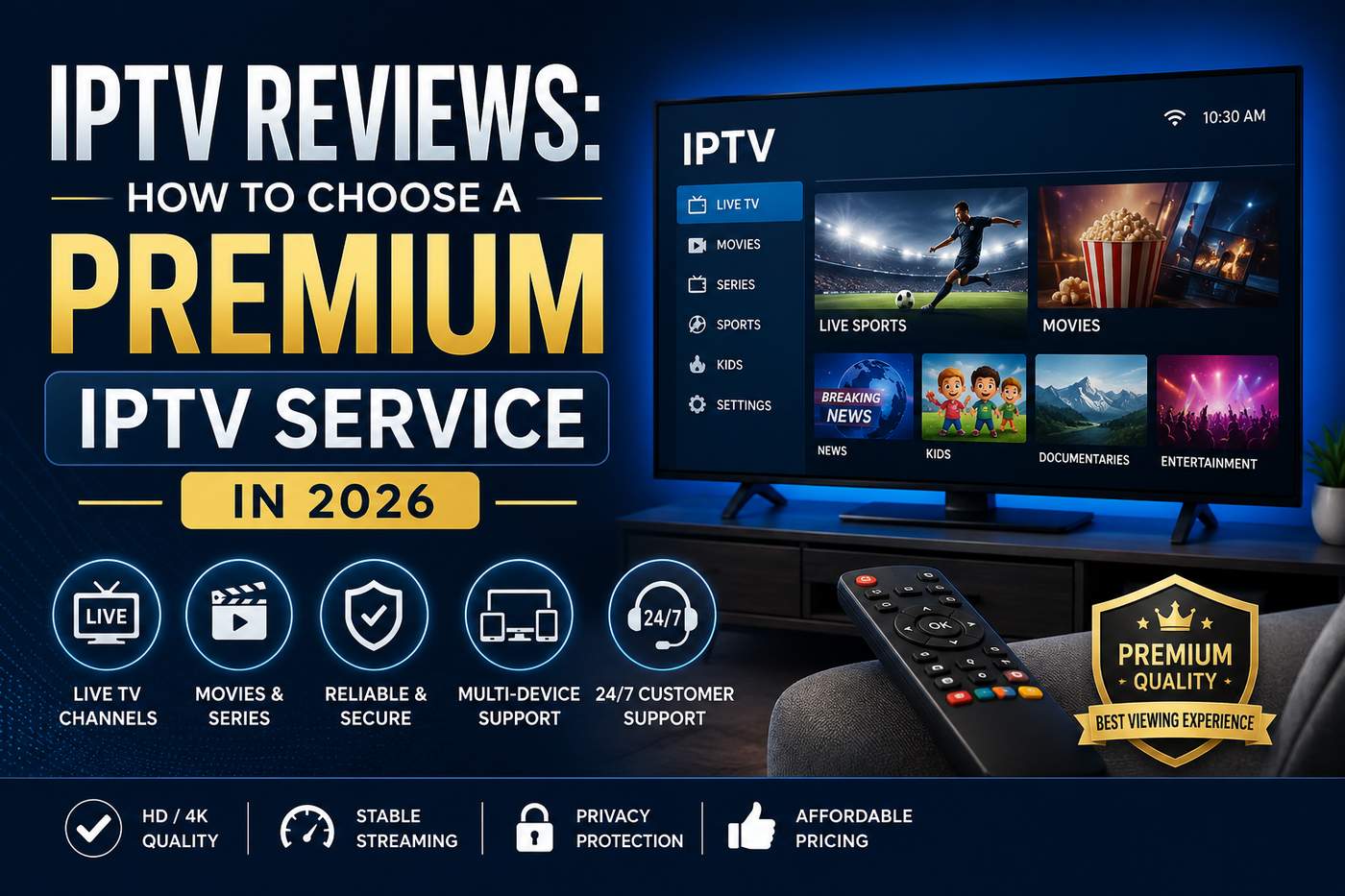
If you've spent any time searching for a way to cut the cord without losing your favorite channels, you've probably run into a flood of IPTV reviews promising thousands of channels for a few dollars a month. Some of those claims are legitimate. A lot of them aren't. And figuring out which is which can feel like a full-time job.
That's exactly what this guide is for. Whether you're brand new to streaming or you've already tried a service that let you down, you'll learn what IPTV actually is, why it has exploded in popularity, what separates a solid provider from a risky one, and how to make a confident choice. If you're searching for the best IPTV USA options, the goal isn't just to find the cheapest service—it's to choose a provider that's reliable, legal, delivers excellent streaming quality, and is truly worth your money.
By the end, you'll have a clear framework for reading IPTV reviews with a more critical eye, so you can skip the hype and pick a service that fits how you actually watch TV.
What Is IPTV?
IPTV stands for Internet Protocol Television. Instead of receiving channels through a satellite dish or a cable box, IPTV delivers video content over your internet connection. You watch through an app on a smart TV, a streaming box, a phone, or a computer, and the content is sent to you as data packets rather than a broadcast signal.
In practice, this is the same basic technology behind services like YouTube TV, Hulu + Live TV, and Fubo. All three stream live channels and on-demand content over the internet, and all three operate under proper licensing agreements with the networks and studios that own the content. That licensing piece matters more than most first-time buyers realize, and we'll come back to it.
There are generally three types of content bundled into an IPTV package:
Live TV channels — news, sports, local affiliates, and international programming
Video on demand (VOD) — movies and TV series you can watch anytime
Catch-up TV — recently aired shows you missed, available for a limited window
The technology itself is neutral. What determines whether a specific IPTV service is a smart choice or a legal and technical headache is who's running it and whether they actually have the rights to the content they're streaming.
Why Has IPTV Become So Popular?
A few forces have pushed IPTV into the mainstream over the last several years.
Rising cable costs. Traditional cable and satellite bills have climbed steadily, while internet-only households have become the norm. IPTV offers a way to keep live TV without paying for a bundle full of channels nobody in the house actually watches.
Better home internet. Streaming in HD or 4K requires a stable connection, and most U.S. households now have broadband speeds that can handle it comfortably. That single infrastructure shift is arguably the biggest reason IPTV adoption has accelerated.
Device flexibility. IPTV apps run on nearly anything with a screen — Fire TV Stick, Roku, Apple TV, Android boxes, tablets, and laptops. You're not locked into a single set-top box tied to a single room.
More live sports coverage. Live sports has historically been the hardest thing to replace when cutting the cord. Legitimate streaming providers have closed that gap significantly, offering regional sports networks, NFL, NBA, and soccer coverage that used to require a full cable package.
Global content access. For households that want channels in another language or from another country — a common need for immigrant and multicultural communities across the U.S. — IPTV has made international programming far more accessible than it used to be.
Key Features to Look For in a Premium IPTV Service
Not all IPTV providers are built the same. Here's what separates a genuinely premium option from an overhyped one.
Licensing and Legitimacy
This is the single most important feature, even though it's the one flashy ads rarely mention. A legal IPTV service pays for the rights to distribute the channels and shows it offers. If a provider is selling access to premium cable networks, live sports, or newly released movies for a fraction of the going rate, that's a signal worth taking seriously — it usually means the content isn't properly licensed, which creates legal risk for the company and, in some cases, for subscribers.
Streaming Quality and Stability
Look for consistent HD or 4K playback, minimal buffering, and stable performance during high-traffic events like major sporting matches. Reviews that mention specific numbers — like uptime percentages or server locations — tend to be more trustworthy than vague "amazing quality!" claims.
Device Compatibility
A premium service should work across the devices your household actually uses: smart TVs, streaming sticks, phones, and tablets, ideally through official app store listings rather than sideloaded apps.
Content Library Size and Variety
More channels isn't automatically better if half of them are duplicates or low-quality feeds. Look at whether the lineup actually matches what you watch — local news, specific sports leagues, kids' programming, or international channels.
Customer Support
Real, responsive customer support is a strong indicator of a legitimate business. Look for multiple contact options, clear refund policies, and reviews that mention actual resolution times rather than generic praise.
Transparent Pricing
Clear monthly or annual pricing with no hidden fees is a basic sign of trustworthiness. Be cautious of services that only accept untraceable payment methods or pressure you into long-term contracts upfront.
Pros and Cons of IPTV Services
Pros:
Often cheaper than traditional cable or satellite packages
Works on multiple devices without extra equipment
No long-term contracts with most legitimate providers
Access to on-demand content alongside live TV
Easy to cancel or switch providers compared to cable
Cons:
Streaming quality depends entirely on your internet connection
Unlicensed providers carry legal and security risks
Some services oversell channel counts that don't reflect real quality
Customer support quality varies widely between providers
Switching providers can mean re-learning a new app and channel layout
How to Choose the Right IPTV Service for You
With so many options claiming to be the "best IPTV service," narrowing the field comes down to a few practical steps.
1. Verify licensing before anything else. Search for the company name along with terms like "licensing" or "legal" and see what independent reviews say. A legitimate provider is usually upfront about which networks and studios it partners with.
2. Match the channel list to your actual habits. Don't pay for 40,000 channels if you really only watch a dozen. Make a short list of must-have channels and check that each candidate service actually carries them.
3. Test before you commit. Reputable providers typically offer a trial period or a short-term plan. Use it to check streaming quality during peak hours, not just late at night when traffic is low.
4. Read reviews from multiple sources. Don't rely on testimonials posted on the provider's own website. Check independent forums, app store reviews, and third-party comparison sites.
5. Check the cancellation and refund policy. A provider confident in its service will make it easy to leave if you're not satisfied — that's a good sign, not a red flag.
6. Confirm device support up front. If you're planning to watch on a Roku, Fire Stick, or Smart TV, confirm the app is officially supported rather than requiring a workaround.
The Future of IPTV
IPTV isn't a passing trend — it's the direction television is heading. A few developments worth watching:
Consolidation among legitimate providers. Expect established, licensed streaming services to keep adding channels and sports packages as they compete directly with traditional cable.
Better compression and lower latency. Streaming technology continues to improve, closing the small gaps in picture quality and channel-change speed that used to separate IPTV from broadcast TV.
Stronger enforcement against unlicensed services. Regulators and rights holders have increased scrutiny of unauthorized streaming operations, which makes sticking with licensed providers an increasingly important long-term decision, not just an ethical one.
More personalized bundles. Expect providers to lean further into custom channel packages, letting subscribers pay only for the genres or regions they actually want.
Is IPTV Worth It?
For most households, yes — as long as you choose a legitimate, licensed provider. The value comes down to matching the service to your viewing habits: if you mostly watch a handful of channels plus some on-demand content, a well-reviewed, licensed IPTV or streaming service can genuinely cost less than cable while offering more flexibility.
Where IPTV stops being worth it is when the promise of an unrealistically large channel count at an unrealistically low price outweighs due diligence on legitimacy. A service that saves you $10 a month isn't worth it if it puts your payment information, personal data, or access to reliable streaming at risk.
Frequently Asked Questions
1. What does IPTV mean?
IPTV stands for Internet Protocol Television — a method of delivering TV content over the internet instead of through satellite or cable signals.
2. Is IPTV legal in the United States?
The technology itself is completely legal. What matters is whether the specific provider has proper licensing agreements for the content it streams. Licensed services like Hulu + Live TV, YouTube TV, and Fubo are fully legal.
3. How do I know if an IPTV service is legitimate?
Look for transparent pricing, clear company information, official app store listings, responsive customer support, and independent reviews that confirm licensing. Be cautious of vague ownership details or prices that seem too good to be true.
4. Do I need special equipment for IPTV?
No special equipment is required. Most IPTV services run through apps on smart TVs, streaming sticks, phones, tablets, or computers.
5. How much internet speed do I need for IPTV?
A stable connection of at least 15–25 Mbps is generally recommended for smooth HD or 4K streaming, especially if multiple devices are streaming at once.
6. Can I watch live sports with IPTV?
Yes. Many licensed streaming services now include regional sports networks and major league coverage, though exact availability varies by provider and region.
7. What's the difference between IPTV and traditional streaming apps like Netflix?
Netflix is a video-on-demand service with no live channels. IPTV services typically combine live TV channels with on-demand content in one package.
8. Are free IPTV services safe to use?
Free IPTV services that offer premium content without any subscription cost are almost always unlicensed and carry real security and legal risks. Free trials from established providers are a different, safer category.
9. Can I cancel my IPTV subscription anytime?
Most reputable providers offer month-to-month plans with easy cancellation. Always check the specific terms before signing up, especially with longer commitments.
10. What should I do if my IPTV service keeps buffering?
Start by checking your internet speed and router placement. If the issue persists across multiple devices and times of day, it may point to a problem with the provider's server infrastructure rather than your connection.
🎬 Unlock Thousands of Live Channels & VOD
Final Thoughts
IPTV has genuinely changed how people watch television, offering flexibility and savings that traditional cable rarely can. But not every provider claiming to offer a "premium IPTV service" deserves your trust or your money. The providers worth choosing are the ones that are upfront about licensing, transparent about pricing, and backed by real, verifiable reviews.
Before you subscribe to any IPTV service, take the time to verify it's legitimate, test it during a trial period, and read reviews from sources outside the provider's own website. A little research up front can save you from a subscription you'll regret.

