Just hit 500 users on my bot traffic detector tool. Here's what I learned the hard way.
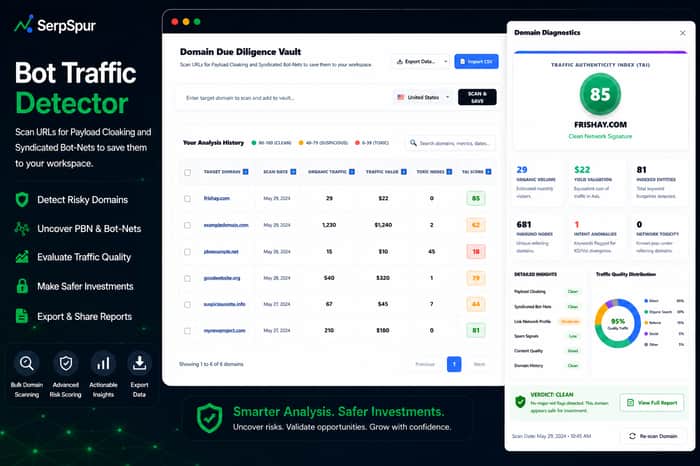
Three months ago, I almost bought a "high-traffic" domain on Flippa. 15k monthly visitors, great metrics. Lucky for me, I ran it through a bot traffic check first. Turned out 82% of that traffic was from a single data center IP range. Saved myself $4,500.
The real kicker? That domain was being shopped around to three other buyers. I checked back last week - someone else bought it. Their organic rankings? Dead in two weeks.
Here's the pattern I keep seeing: fake traffic is getting smarter. It's not just obvious bot farms anymore. You get these "engaged" sessions that scroll, click, even fill out forms. But the conversion rate is always zero. Always.
I built this tool because I was tired of guessing. Now I run every potential acquisition through it - domains, backlink opportunities, even guest post placements. The data doesn't lie.
Biggest lesson: if you're buying traffic sources without verification, you're gambling, not investing. The algorithm knows.

Good call. I've learned the hard way that even 'clean' backlink profiles can be gamed with private blog networks. Have you tried cross-referencing the domain's traffic with its social media engagement or email list size? That often exposes fake numbers.
That sudden spike is a classic tell. I've started pulling Wayback Machine screenshots for domains I'm vetting—if the traffic pattern doesn't match the content history, it's usually a sign something's off.
Interesting approach. Did you notice any other red flags besides the traffic spike? I've found that checking the site's backlink anchor text distribution can also reveal paid links or PBNs.
That's a great catch. I've heard similar horror stories; using a bot traffic detector before any site purchase is becoming essential due diligence these days.