Learning from the best - Lessons from CS50
Hey course creators,
I highly recommend The New Yorker profile of Prof. David Malan and Harvard's CS50.
CS50 is one of the all-time great mass open online courses (MOOCs), with over 2.7M enrollments to date, and a cult-like following (not many other courses have swag stores).
The profile contains a lot of wisdom for online course creators, from one of the true innovators in online education.
Here are three major lessons I drew out of it:
- It takes time and practice to master the craft
- Production value is pedagogy
- Online courses need to innovate remote student participation and engagement
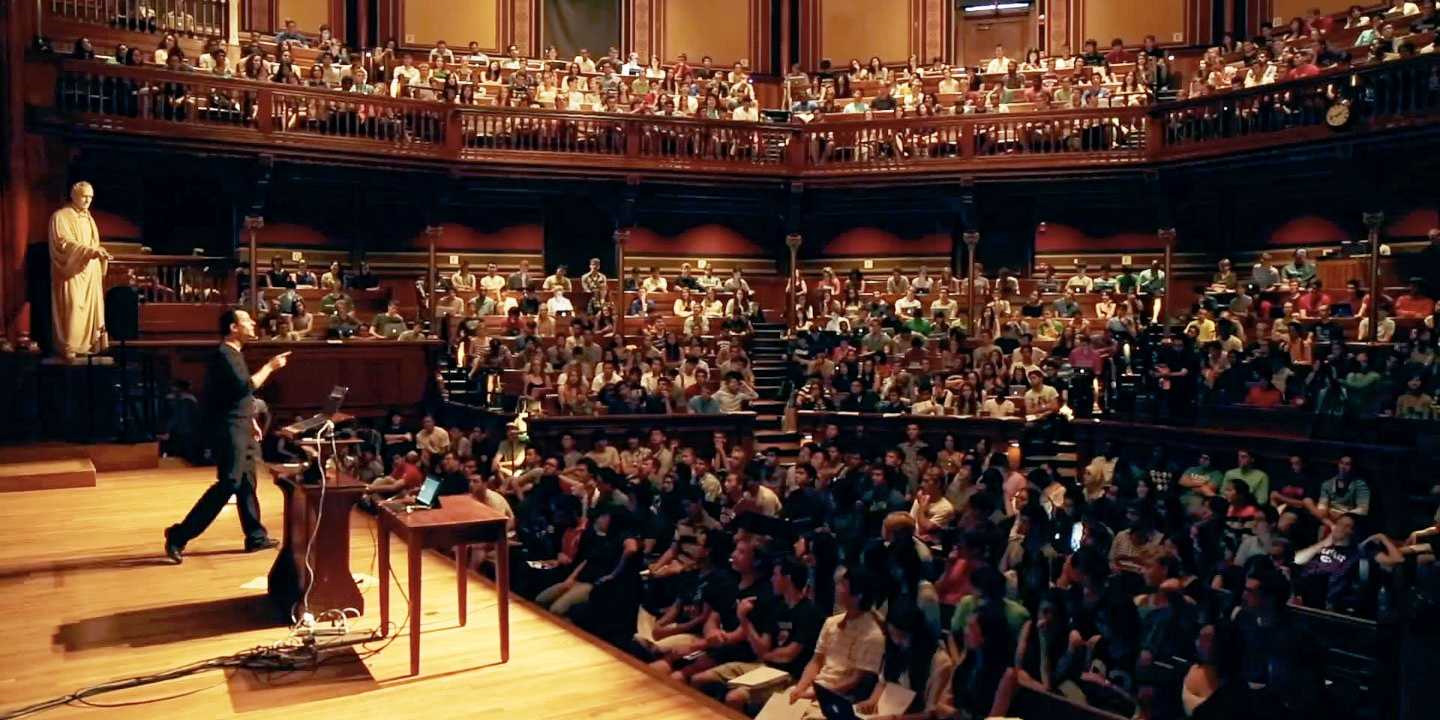
1. Creating Great Courses is a Craft. It Takes Time and Practice to Master
In kicking the tires on a few product ideas, I've interviewed many higher ed and professional students this year. Almost every single student I've spoken with had an underwhelming experience with online learning in Spring 2020. The New York Times summarized it well: remote learning went badly, with students potentially falling seven months behind due to the pandemic.
Meanwhile, quarter after quarter, Malan's students have an incredible experience with his course.
The difference is craft. Most teachers had a week or two to reconfigure their in-person classes (and their own lives) when the pandemic escalated. Most teachers did so without much support or training. Malan and team have been iterating CS50 for nearly 10 years. It's the only course Malan teaches. And he's supported by full time, experience production personnel. As one student told The New Yorker, Malan's lectures are "years ahead of what I experienced this spring."
Malan is an amazing teacher, to be sure, but I believe any teacher can achieve the same quality of student experience by honing their craft. These are skills that can and should be learned.
Online course creators: Learn the tools, practice with them, and figure out how to play to the strengths of the medium. Don't be afraid to fail and learn from mistakes. Adopt a mindset of continuous improvement toward your courses and play the long game.
2. Production Value is Pedagogy
Have you experienced a terrible online meeting? The kind where you attend remotely, along with several people in one meeting room. Nobody is looking at the camera. You can't even see several of the participants. You have trouble hearing parts of the conversation. And you can't get a word in.
In short, you feel like an outsider. An interloper listening into a conversation.
It's easy to get frustrated by that kind of experience, and you might tune out or not fully engage the way you would in person.
The same is true for most synchronous online learning. Cameras are placed awkwardly in the corner or back of the room. The teacher uses a whiteboard, and you can't see what's being written. Or the text on the instructor's screen is too small to see - but is legible on the projector for in-person students. And the video itself isn't very compelling to look at — using the overhead lights in the room, the video has a greenish tint to it and heavy amounts of shadow on the teacher's face. In short, it's boring. Again, the impression from the student is that the course is cobbled together. They're required to make extra effort to get their money's worth from the course.
My suspicion is that much of the trouble with online learning during Spring 2020 was because (out of necessity) it was hastily assembled and improvised. Production value was an afterthought, with Zoom calls in living rooms or spare bedrooms, laptop mics, and with few pre-made and polished materials.
Imagine instead HD video that looks as high quality as you'd find on Netflix. Professional lighting, high quality audio, shots framed properly and optimized for capturing the presentation.
This level of quality communicates on a subconscious level that the remote and async students matter. They're part of the course. Care and effort has gone into making this course accessible and engaging.
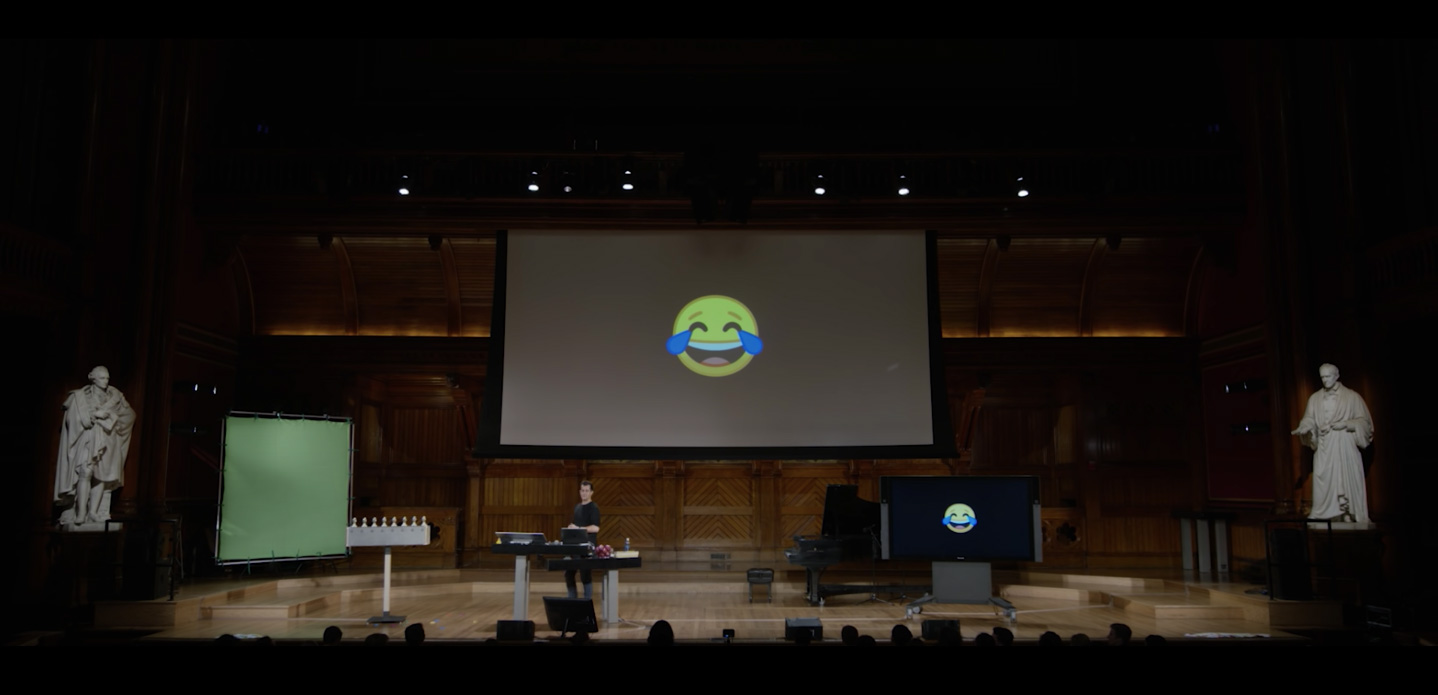
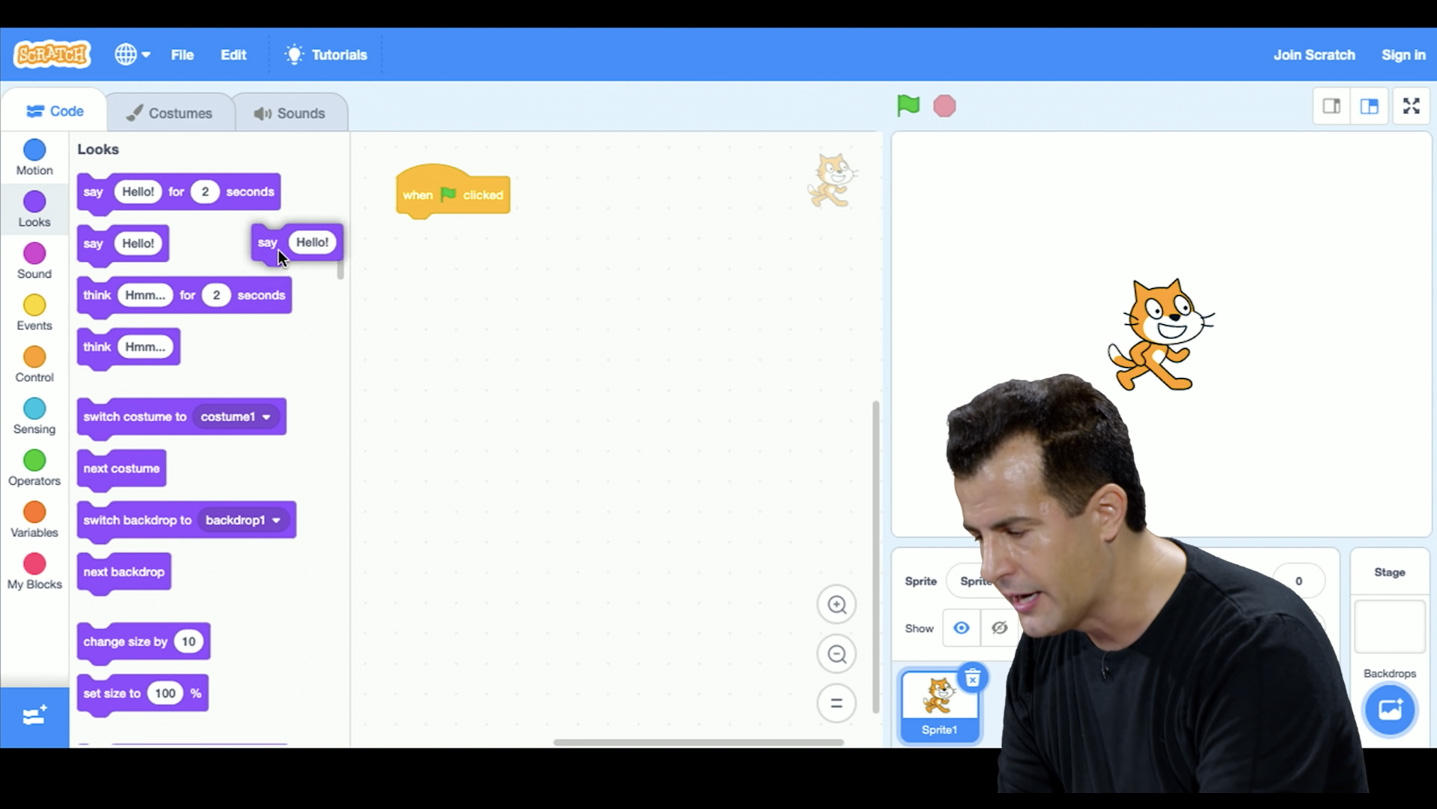
Malan writes in his guide to teaching via Zoom,
"[CS50] is unusual, perhaps, for its "production value," which is part of its pedagogy, so that students watching videos asynchronously online feel no less a part of the classroom than students on campus."
That phrase is so critical, I'll repeat it: "so that students watching videos asynchronously online feel no less a part of the classroom than students on campus."
You don't have to try to replicate the production quality of CS50 or Masterclass, but the bar for creating high quality multimedia is reachable for any creator. Prosumer equipment is better than ever, and more affordable than ever. And there are thousands of tutorials and guides to help achieve high production value, even recording at home. Put the time and effort into high quality video, audio, and design, and your students will appreciate it.
3. Creators Need to Innovate Remote Student Participation and Engagement
Instructors teaching in a classroom have the benefit of reading their students, calling on students and asking them to participate, and adjusting the experience on the fly if necessary. That's not the case in online courses. Creators have to carefully consider how participation looks.
In my experience, the default online course format is on-demand video with a discussion forum. Some creators offer virtual office hours, and a few provide 1:1 coaching. There's a lot of room for innovation and differentiation in the student experience.
Malan livestreams his CS50 lectures, and his team is working on how to make the Zoom-based lectures (often viewed as a liability in the sudden move to virtual teaching in Spring 2020) more engaging for remote students:
What if, Malan asked, they also projected the gallery view on screens behind him, allowing students watching the lectures to see their own faces? An undergraduate staffer on the call interrupted. "There is a risk they won’t turn their videos on," he said, adding that, in one of his classes, only eight out of three hundred students did so. Malan wasn’t worried: the non-Harvard students could be counted on to keep their videos running. "They do seem to delight in becoming part of it—the fact that they got called on, or that they appeared onscreen, that kids are circling themselves and posting screenshots to Instagram," he said. "Making them part of it feels like a new opportunity."
Bringing remote students into the video lecture experience may be relatively new, but CS50 has long led the way in integrating remote students into the course. Part of this is the myriad ways students can work through the material outside the classroom. There are official student communities on a variety of online platforms, ranging from Facebook to LinkedIn, and unofficial communities on Reddit, Stack Overflow, and more. Malan also encourages students to collaborate virtually on group projects. The effect is a high quality experience for all students and sense of belonging in a larger community.
Obviously Malan's format is different from what many course creators will attempt with on-demand courses. But I think we can draw a lot of inspiration. How might you build student to student interaction and participation into your course?
Would love to hear your ideas in the comments.
If you like this post, consider subscribing at curricular.dev to get more like it via email.

Awesome article! Thanks a lot for sharing it. To see other gripping posts on educational issues, go to https://exclusivethesis.com . You will be delighted with the articles there.
The CS50 is actually more time-consuming than hard for many students. Starting with the problem set early on each week, then making it simpler! And the difficulty of the course was also recalibrated backwards https://finestediting.com/editors.php
That is an awesome summary, thank you. I recently read this article too and have been really inspired by Professor Malan's work.
This comment was deleted 5 years ago