Lessons from building a consumer social platform
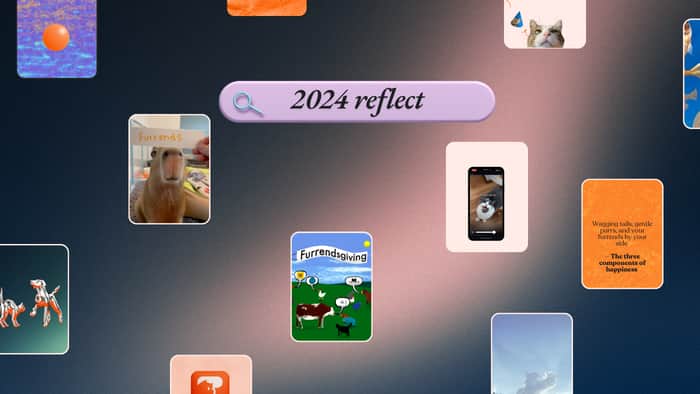
Two years ago, we turned an idea I shared in this tweet (https://x.com/heartofwoods/status/1379088296282791937) into a project — Furrend.
Since then, so much has happened. As of December 2024, over 3,000 adorable animal videos have been shared on Furrend. Our beta app is live on iOS TestFlight and Google Play. You can now mint video NFTs on Base and Solana to support creators, and our recent charity event, Furrendsgiving, has more than 500 video digital collectible mints, raising funds for NGOs. We’re thankful for our furrends’ incredible support over the recent years.
As we close out 2024 and look toward 2025, I’ve been reflecting on what we’ve accomplished, what we’ve learned, and what’s next. Building a product people love takes hard work, guts, and a little luck. Even with my experience in co-founding other startups, nothing fully prepared me for this journey. But I’m grateful for the opportunity to build something I love alongside talented people— and it is an incredible privilege.
As Furrend turns two, here are a few lessons (and mistakes) from the experience so far.
- Work on what gives you energy.
Work has become a huge part of my life. If I’m not working, I’m thinking about it. That might not sound balanced, and I certainly don’t want to brag about how much work I got done while you were enjoying the beach — but when you love what you’re doing and see the impact, it’s worth it.
I’m not the smartest or most connected person, but I’m willing to sacrifice my time — weekends, holidays, you name it. That focus and commitment is a competitive advantage.
- Building something useful is challenging but worth it.
There’s an old quote in the startup world: “We do this not because it’s easy but because we thought it would be.” That sums up building consumer products. The highs are incredible, but the lows are dark and rough.
Don’t give up. Stay in the game long enough to see your work take off.
- Ownership matters.
When Furrend started, I wanted the team to feel flat — autonomous, respectful, and collaborative. But I learned that no structure often means no clear ownership. As we grew, this became unsustainable.
At an early stage, “founder mode” works: being hands-on, independent, prioritizing what matters most, and staying focused. As you grow, clarity and consistency become just as important. If your team is asking, “What are we building and why?” That’s on you.
- Build trust by being kind.
As a founder, relationships are everything — whether it’s with customers, teammates, or investors.
With our customers — the pet content creators — I remember those early onboarding calls where I walked them through every step (I’m still doing all the onboarding), helping them use a web3 wallet for the first time. I tell our creators to reach out anytime — and they do. They text me about bugs, email me feature requests, and share ideas with screenshots. They are our loyal customers, and I’m thankful for that. So if they want something, they have my full attention.
For investors, start building relationships early. Don’t wait until you’re fundraising. The more trust you build, the smoother those conversations will go. That said, limit the number of “zoom catch-ups” to avoid distractions, and pick the right investors — they’re hard to replace once they’re on your cap table.
Your words carry weight. A casual comment can shift priorities or morale. Choose your words wisely, and always show respect and be kind.
Our industry has a simple rule: you never know where you’ll see someone in 12 months — or what side of the table they’ll be on. Be kind and show respect.
-
Great people make great products.
Bad hires can hurt your company, even if they’re great people. Sometimes, they’re just not the right fit for your product, culture, or stage. Most of the time, they know that, too. Parting ways with people is hard but often necessary for everyone involved. -
Don’t redesign for vanity.
We wasted so much time planning a redesign of Furrend’s app. (Mistake #1: planning isn’t executing.) It’s tempting to focus on aesthetics, but always ask: “Will this change how people use the product? Will it help onboard more creators? Will it move the needle?” If not, skip it. -
Sell your product but also keep your options open.
Entrepreneurship is about selling — products and services. Fundraising isn’t the only way to keep your company going. Focus on generating revenue, but stay open to alternatives like acquisitions.
Even if you’re not thinking about selling, it’s wise to know who might acquire your company. Relationships matter here, too. And optionality is power.
Two years in, I want to thank our creators, teammates, and investors who’ve believed in Furrend.
Our focus will remain on empowering creators, enhancing the user experience, expanding our community of Furrends, and launching something magical in 2025.
If you’re a builder or creator, let’s connect (jun@furrend.xyz). Here’s to 2025 and beyond.
