List of IPTV Providers for Live TV and Streaming Options
This page presents a list of IPTV providers together with general information about their services, helping readers understand the available streaming options in 2026.
✅ Compare IPTV Services
Introduction

Internet-based television has changed the way people watch live channels and on-demand entertainment. Instead of relying only on cable or satellite connections, viewers now have access to television content through internet-enabled devices. This shift has encouraged many people to explore a list of IPTV providers before selecting a service that suits their viewing habits.
Every IPTV provider offers a different combination of content, supported devices, streaming quality, and account features. While some focus on live television, others include movies, series, international programming, sports, or family entertainment. Understanding these differences helps users evaluate available options based on their own preferences rather than choosing a service solely because it is popular.
This guide explains what IPTV providers are, how IPTV technology works, the different types of services available, and the features that matter when reviewing different providers.
What Is an IPTV Provider?
An IPTV provider is a company or service that delivers television content through an internet connection instead of traditional broadcast methods. IPTV stands for Internet Protocol Television, meaning that video streams are transmitted digitally over IP networks.
Unlike conventional television services that rely on satellite signals or cable infrastructure, IPTV streams content directly through broadband internet. As long as users have a compatible device and a stable connection, they can access supported programming from almost anywhere.
Different IPTV providers may offer:
Live television channels
Video-on-demand libraries
Television series
Sports coverage
News programming
Children's entertainment
Educational content
International channels
Regional programming
The content and features available depend entirely on the individual provider.
How IPTV Works
IPTV uses internet protocols to deliver television programming in real time or on demand.
When a viewer selects a channel or video, the IPTV platform sends the requested content over the internet to the selected device. The media player or IPTV application then decodes the stream so it can be viewed smoothly.
The basic process usually includes:
The provider stores or receives television content.
The content is encoded for internet delivery.
The user opens an IPTV application.
The requested stream is delivered through the internet.
The content plays on the chosen device.
This process happens within seconds, creating a viewing experience similar to traditional television.
Why IPTV Has Become Popular
The popularity of IPTV has increased because many households now use high-speed internet connections and own multiple smart devices.
Instead of watching television only on a single screen, users often switch between televisions, smartphones, tablets, and computers throughout the day.
Some reasons IPTV continues to grow include:
Flexible viewing options
Access on multiple devices
Wide variety of entertainment
Internet-based delivery
Convenient navigation
Digital program guides
Support for modern streaming devices
These features make IPTV appealing to viewers who prefer internet-connected entertainment.
Types of IPTV Providers
Not every IPTV provider offers the same experience. Services often specialize in different types of programming or viewing preferences.
Understanding these categories makes it easier to review a list of IPTV providers.
Live TV IPTV Providers
These providers primarily focus on live television broadcasting.
Their content often includes:
News channels
Entertainment channels
Sports broadcasts
Lifestyle programming
Music channels
Children's channels
Live TV remains one of the most common reasons users subscribe to IPTV services.
Video-on-Demand IPTV Providers
Some providers place greater emphasis on on-demand content rather than scheduled broadcasts.
Their libraries may include:
Movies
Television series
Documentaries
Family entertainment
Educational programs
Users can watch available content whenever they choose instead of following a broadcast schedule.
Sports-Focused IPTV Providers
Sports enthusiasts often look for IPTV providers that prioritize live sporting events.
Depending on the service, available content may include:
Football
Cricket
Basketball
Tennis
Baseball
Hockey
Motorsports
Combat sports
Golf
Coverage differs between providers, making it useful to review available categories before subscribing.
International IPTV Providers
Some IPTV providers focus on audiences interested in television from different countries.
These services may include programming from regions such as:
North America
Europe
Asia
Middle East
Africa
Latin America
International content often supports multiple languages and regional programming.
Important Features to Consider
When reviewing a list of IPTV providers, looking beyond the number of available channels can lead to a better overall experience.
Several features deserve attention before selecting a provider.
Streaming Stability
Reliable streaming is one of the most important aspects of any IPTV service.
A stable connection helps reduce:
Buffering
Playback interruptions
Freezing
Unexpected disconnections
Consistent performance often provides a better viewing experience than simply having access to a larger content library.
Video Quality
Different IPTV providers support different streaming resolutions.
Common options include:
Standard Definition (SD)
High Definition (HD)
Full HD
4K (where available)
Picture quality depends on both the provider's infrastructure and the viewer's internet connection.
Device Compatibility
Most viewers use more than one device throughout the day.
Many IPTV providers support platforms such as:
Smart TVs
Android TV
Google TV
Amazon Fire TV
Fire TV Stick
Android phones
iPhone
Tablets
Windows PCs
Mac computers
Checking compatibility before subscribing helps avoid installation issues later.
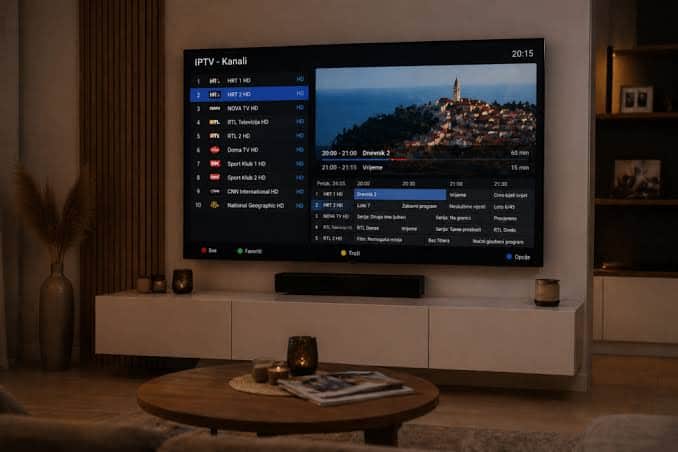
Electronic Program Guide (EPG)
Many IPTV services include an Electronic Program Guide.
An EPG allows users to:
View channel schedules
Browse upcoming programs
Navigate live television more efficiently
Locate current broadcasts quickly
This feature improves everyday usability, particularly for viewers who watch live television regularly.
User Interface
A clean interface makes IPTV easier to use.
Helpful interface elements include:
Organized menus
Category filters
Search functions
Favorite channels
Recently watched content
Clear navigation
Simple navigation reduces the time spent searching for content.
Advantages of Reviewing Multiple IPTV Providers
Choosing the first available provider may not always produce the best experience.
Reviewing several providers allows users to compare:
Available content
Supported devices
Interface design
Streaming quality
Subscription options
Customer support
Additional features
Every household has different viewing habits, making personal comparison more valuable than relying on popularity alone.
Understanding Different Viewing Needs
Every viewer uses IPTV differently.
Some households primarily watch live television, while others spend more time enjoying movies or television series. Families with children may prioritize educational and entertainment programming, while sports fans often focus on access to live events.
Thinking about viewing habits before exploring a list of IPTV providers can make the selection process much easier.
Questions worth considering include:
Which devices will be used most often?
Is live television the primary interest?
Are movies and series more important?
Will multiple family members stream simultaneously?
Is international programming a priority?
Answering these questions provides a clearer picture of which provider may better suit individual preferences.
Why Research Matters Before Choosing a Provider
Taking time to understand IPTV services can help users make informed decisions.
Instead of focusing only on advertising or promotional claims, reviewing features, compatibility, streaming quality, and usability provides a more complete understanding of what different providers offer.
A well-informed approach allows viewers to select a service that aligns with their entertainment preferences while delivering a consistent streaming experience.
Live TV Experience Across IPTV Providers
One of the main reasons people look for a list of IPTV providers is to access live television through an internet connection. Instead of depending on traditional cable or satellite infrastructure, IPTV delivers live channels digitally, making it easier to watch content across multiple devices.
A quality IPTV provider focuses on delivering a stable viewing experience with minimal buffering, consistent picture quality, and an organized channel layout. The overall experience depends on several factors, including internet speed, server performance, and the compatibility of your streaming device.
When exploring different IPTV providers, pay attention to how well they organize live TV categories. Easy navigation saves time and improves everyday use, especially when browsing large channel libraries.
Features That Improve Live TV Streaming
Many IPTV providers include features that make live television more convenient.
Some common examples include:
Fast channel switching
Organized content categories
Electronic Program Guide (EPG)
Multi-language interface
Favorite channel lists
Search functionality
HD and 4K streaming support where available
Multiple device compatibility
Rather than focusing only on the number of available channels, consider how smoothly the service performs during regular viewing.
Entertainment Content Beyond Live Television
Modern IPTV services usually include much more than live television. Many providers offer libraries containing movies, television series, documentaries, children's programming, music channels, and international entertainment.
The size of a content library may vary between providers, but quality is often more important than quantity. A well-organized collection allows viewers to quickly locate the content they want without unnecessary searching.
Common Content Categories
Many IPTV providers organize content into sections such as:
Movies
TV Series
News
Sports
Kids Entertainment
Lifestyle
Documentary
Music
International Channels
Regional Programming
This organization creates a more comfortable viewing experience for families with different entertainment preferences.
⭐ Explore IPTV Features :- https://vocotv.com/billing/aff.php?aff=783
Sports Streaming Through IPTV Providers
Sports remain one of the biggest reasons many viewers explore IPTV services.
Depending on the provider, sports programming may include domestic leagues, international tournaments, motorsports, tennis, cricket, basketball, football, baseball, hockey, combat sports, golf, and many other events.
What Sports Viewers Usually Look For
Before selecting an IPTV provider, sports fans often consider:
Stable live streaming
HD picture quality
Multiple sports categories
International sports coverage
Smooth playback during live events
Reliable server performance
A dependable IPTV provider should maintain consistent performance during high-demand events when many viewers are watching simultaneously.
International Channels and Regional Content
One advantage of IPTV technology is access to programming from different countries.
International viewers often search for providers that include channels from multiple regions while supporting different languages.
Depending on the service, viewers may find content from:
North America
Europe
Asia
Middle East
Africa
Latin America
Some providers also include regional channels that are difficult to access through traditional television services.
Device Compatibility
A flexible IPTV provider allows subscribers to enjoy content across several devices.
Instead of limiting access to one television, many services support viewing from multiple platforms.
Common Compatible Devices
Most IPTV services work with devices such as:
Smart TVs
Android TV
Google TV
Amazon Fire TV
Fire TV Stick
Android smartphones
Android tablets
iPhone
iPad
Windows computers
Mac computers
Streaming boxes
The broader the compatibility, the easier it becomes to continue watching content from different locations within the home.
Streaming Quality
Streaming quality plays an important role in the overall IPTV experience.
Picture quality depends on both the IPTV provider and the user's internet connection.
Common streaming resolutions include:
SD
HD
Full HD
4K (where supported)
A higher resolution generally provides sharper images, although it also requires a faster and more stable internet connection.
Consistent playback without interruptions is often more valuable than simply offering higher resolutions.
Internet Speed Considerations
Internet speed directly affects IPTV performance.
While exact requirements vary, a stable broadband connection generally produces the best results.
Several factors influence streaming performance:
Download speed
Network stability
Router quality
Wi-Fi coverage
Number of connected devices
Streaming resolution
Improving the home network often delivers a better viewing experience than changing IPTV providers.
Multi-Device Streaming
Some households prefer watching different content simultaneously.
Certain IPTV providers support streaming across multiple compatible devices depending on the subscription.
Examples include:
Living room television
Bedroom TV
Tablet
Smartphone
Laptop
This flexibility makes IPTV suitable for families with different viewing habits.
User Interface and Navigation
An easy-to-use interface helps viewers spend less time searching and more time watching.
Many IPTV providers include navigation features designed for convenience.
Helpful Navigation Features
Channel search
Category filters
Recently watched
Favorite channels
Content recommendations
Program guide
Organized menus
A clean interface benefits both new users and experienced IPTV viewers.
Video Playback Features
Playback options can improve the overall streaming experience.
Some IPTV platforms include features such as:
Pause support
Resume playback
Playback history
Subtitle options
Audio language selection
Picture quality adjustment
The availability of these features depends on both the provider and the application used for streaming.
Customer Support
Reliable customer support can make a noticeable difference when technical questions arise.
Support options may include:
Email assistance
Live chat
Help center
User guides
Frequently asked questions
Ticket support
Clear documentation often allows users to solve common setup questions without waiting for assistance.
Subscription Options
IPTV providers may offer different subscription durations depending on their service model.
Examples can include:
Monthly plans
Quarterly plans
Semi-annual plans
Annual plans
Before subscribing, review what is included in each plan rather than focusing only on the subscription length.
Free Trials
Some IPTV providers make trial access available so potential subscribers can experience the service before purchasing a longer plan.
A trial period can help users evaluate:
Interface usability
Streaming stability
Device compatibility
Channel organization
Overall viewing experience
Whenever available, testing a service first provides a better understanding of how it performs under normal viewing conditions.
Privacy and Account Security
When using any online streaming platform, protecting account information remains important.
Good security practices include:
Creating strong passwords
Avoiding password sharing
Keeping applications updated
Downloading IPTV apps from trusted sources
Securing your home network
Personal security habits contribute to a safer streaming experience regardless of the provider selected.
Why Comparing Features Matters
Every IPTV provider has its own strengths.
Some prioritize international channels, while others emphasize live sports, family entertainment, or compatibility across multiple devices.
Instead of choosing a provider based solely on marketing claims, reviewing the available features helps identify a service that aligns with your viewing habits.
Taking the time to compare streaming quality, supported devices, navigation, subscription flexibility, and overall usability can lead to a more satisfying long-term experience.
📺 Open IPTV Directory :- https://vocotv.com/billing/aff.php?aff=783
How to Choose the Right IPTV Provider
With so many IPTV services available, selecting one can feel overwhelming. Every provider has its own strengths, and the best choice depends on your viewing habits rather than a single feature or promotional claim.
Instead of focusing only on the number of channels, take time to understand what matters most for your household. A service that performs consistently and supports your preferred devices often provides a better long-term experience than one with an extensive but difficult-to-use content library.
Start with Your Viewing Preferences
Before exploring different IPTV providers, consider how you normally watch television.
Ask yourself questions such as:
Do you mainly watch live TV?
Are movies and TV series your priority?
Do you enjoy live sports?
Do you need international channels?
Will multiple people use the service?
Which devices will you stream on most often?
Knowing your viewing habits makes it easier to narrow down suitable options.
Evaluate Streaming Performance
Reliable performance is one of the most important factors when choosing an IPTV provider.
A good streaming experience depends on more than internet speed. Server quality, network stability, and optimized content delivery all contribute to smooth playback.
Signs of Consistent Streaming
Look for providers that offer:
Smooth channel loading
Stable video playback
Minimal buffering
Consistent picture quality
Reliable performance during busy viewing hours
Testing the service, when possible, can provide a better understanding of real-world performance.
Consider Content Organization
A large content library is useful only if viewers can easily find what they want to watch.
Many IPTV providers organize their content into clear categories, making navigation simpler.
Common sections include:
Live TV
Movies
TV Series
Sports
Kids
News
Music
Lifestyle
Documentaries
International Channels
A well-organized interface improves the overall viewing experience.
Check Device Support
Device compatibility is another important consideration.
Many households use several streaming devices throughout the day.
Popular supported devices often include:
Smart TVs
Android TV
Google TV
Fire TV Stick
Streaming boxes
Android smartphones
iPhone
Tablets
Windows computers
Mac computers
Before subscribing, verify that your preferred device is supported.
Understand Internet Requirements
Even the most reliable IPTV provider cannot overcome an unstable internet connection.
Several factors influence streaming quality:
Internet speed
Network stability
Router placement
Wi-Fi signal strength
Number of connected devices
Streaming resolution
Improving your home network can often resolve playback issues without changing providers.
Compare User Experience
The overall experience depends on how comfortable the platform feels during daily use.
A user-friendly IPTV application usually includes:
Fast navigation
Responsive menus
Quick search
Program guide
Favorites list
Clear categories
Simple navigation helps users spend more time watching content and less time searching for it.
Importance of Electronic Program Guides
Many IPTV providers include an Electronic Program Guide (EPG).
An EPG displays television schedules in an organized format.
Benefits include:
Viewing current programming
Browsing upcoming shows
Planning viewing schedules
Faster channel navigation
For viewers who regularly watch live television, this feature adds convenience.
Free Trials and Short-Term Access
Some IPTV providers offer trial access before a subscription begins.
A trial period allows users to evaluate several aspects of the service, including:
Interface usability
Streaming quality
Device compatibility
Channel organization
Overall performance
Taking advantage of a trial can help determine whether the service meets your expectations.
Common Mistakes to Avoid
Choosing an IPTV provider without proper research can lead to an unsatisfactory experience.
Selecting a Provider Based Only on Channel Numbers
A service advertising thousands of channels may not necessarily deliver better performance.
Instead, consider:
Streaming quality
Stability
Ease of use
Device support
Content organization
Quality is often more valuable than quantity.
Ignoring Device Compatibility
Not every IPTV application supports every operating system.
Always confirm compatibility with:
Television
Mobile device
Streaming box
Computer
This simple step can prevent installation problems later.
Overlooking Customer Support
Technical questions can arise during setup or regular use.
Providers offering clear support resources often make troubleshooting easier.
Support may include:
Email assistance
Live chat
Help center
Setup guides
FAQ pages
Reliable assistance contributes to a better user experience.
Forgetting to Review Internet Performance
Many playback problems are related to home internet connections rather than the IPTV provider.
Before changing services, consider checking:
Router performance
Internet speed
Wi-Fi coverage
Network congestion
Small improvements to the home network can make a noticeable difference.
Basic IPTV Setup Process
Getting started with IPTV is generally straightforward.
Although individual services may differ, the process usually follows similar steps.
Step 1: Choose a Compatible Device
Select a supported device such as:
Smart TV
Fire TV Stick
Android TV
Smartphone
Tablet
Computer
Step 2: Install the Recommended Application
Some IPTV providers recommend specific applications for accessing their service.
Follow the provider's installation instructions to ensure compatibility.
Step 3: Sign In
After installation, enter the account details provided by the IPTV service.
Depending on the platform, this may involve:
Username
Password
Playlist information
Activation details
Step 4: Configure Preferences
Many applications allow users to personalize their experience.
Examples include:
Favorite channels
Language settings
Display options
Program guide preferences
Step 5: Begin Streaming
Once setup is complete, users can browse available categories and begin watching supported content.
IPTV Trends
IPTV technology continues to evolve alongside improvements in internet infrastructure and streaming devices.
Several developments are shaping the future of IPTV services.
Better Video Quality
As internet speeds improve, more providers are supporting higher streaming resolutions.
Many platforms continue expanding support for:
HD
Full HD
4K streaming
Higher resolutions provide a sharper viewing experience when supported by both the provider and the user's device.
Improved Device Integration
Modern IPTV services increasingly support a wider range of devices.
Users now expect seamless viewing across:
Televisions
Smartphones
Tablets
Computers
Streaming boxes
Cross-device compatibility continues to improve.
Enhanced User Interfaces
Navigation has become a major focus for IPTV applications.
Many providers continue refining:
Search functions
Program guides
Content organization
Personalized recommendations
Faster navigation
An intuitive interface contributes to a more enjoyable viewing experience.
Cloud-Based Features
Cloud technology is influencing IPTV services in several ways.
Depending on the provider, cloud-based improvements may support:
Faster updates
Better synchronization
More reliable streaming
Improved account management
These developments continue to simplify the overall user experience.
Building a Better Viewing Experience
Choosing an IPTV provider is about more than selecting a service with the largest content library.
A satisfying experience comes from balancing several factors, including streaming stability, supported devices, content organization, navigation, and overall usability.
By understanding your viewing preferences and carefully reviewing available features, you can narrow your options and select a provider that fits your entertainment needs.
The IPTV market continues to grow, giving viewers more flexibility than ever before when accessing live television and digital entertainment.

Getting the Most from Your IPTV Service
After selecting an IPTV provider and completing the setup process, a few simple habits can help maintain a smooth viewing experience. While every service is different, regular maintenance and good internet practices can reduce interruptions and improve everyday use.
A reliable IPTV experience depends on both the service provider and the environment in which the content is streamed. Keeping devices updated and ensuring a stable internet connection are two of the most effective ways to maintain consistent performance.
Tips for Better Streaming Performance
To enjoy uninterrupted streaming, consider the following practices:
Use a stable broadband internet connection.
Keep your streaming device updated with the latest software.
Restart your router occasionally to refresh the network.
Close unused applications running in the background.
Place your Wi-Fi router in an open location for better coverage.
Use a wired Ethernet connection when possible for maximum stability.
Check available storage on your streaming device.
Restart the IPTV application if it becomes unresponsive.
These small steps can improve streaming quality without requiring major changes to your setup.
Keeping Your Devices Organized
Many households use IPTV across multiple devices. Organizing these devices helps create a better viewing experience for everyone.
Simple habits include:
Updating applications regularly.
Removing unused apps.
Keeping login details secure.
Using strong account passwords.
Naming favorite channels for quick access when supported.
Reviewing connected devices periodically.
Good device management also helps maintain account security.
Understanding Content Availability
Content libraries may vary from one IPTV provider to another.
Several factors can influence available programming, including:
Geographic region
Language support
Provider agreements
Content categories
Platform updates
Because streaming libraries change over time, users may notice additions or adjustments to available channels and on-demand content.
Why User Experience Matters
Technical features are important, but ease of use often has the greatest impact on daily viewing.
A well-designed IPTV platform should allow users to:
Find channels quickly.
Browse categories easily.
Search for programs efficiently.
Navigate menus without confusion.
Switch between devices with minimal effort.
A clean interface can make even a modest content library feel more enjoyable.
Choosing a Provider That Fits Your Needs
Every viewer has different entertainment preferences.
Some households spend most of their time watching:
Live television
Sports events
Movies
Television series
Children's programming
International channels
News broadcasts
Educational content
Rather than searching for a single "best" IPTV provider, focus on finding one that aligns with your own viewing habits and device requirements.
Taking time to review available features often leads to a more satisfying experience.
Future of IPTV Services
Internet television continues to evolve as technology advances.
Several developments are expected to shape IPTV services in the coming years.
Smarter Streaming Platforms
Future IPTV applications are likely to become more intuitive by offering:
Faster navigation
Improved search tools
Personalized recommendations
Better content organization
Enhanced accessibility features
These improvements can make it easier for viewers to discover content that matches their interests.
Higher Streaming Standards
As internet infrastructure continues to improve, streaming quality is expected to become even more consistent.
Users may continue to see wider support for:
High-definition content
Full HD streaming
4K resolution where available
Faster content loading
Improved playback stability
Better network technology benefits both providers and viewers.
Broader Device Support
Streaming devices continue to expand, giving viewers more flexibility.
Modern IPTV services increasingly support:
Smart televisions
Streaming media players
Mobile devices
Tablets
Desktop computers
Laptops
This flexibility allows users to enjoy entertainment across different environments without relying on a single screen.
Final Thoughts
Exploring a list of IPTV providers is an effective way to understand the range of streaming services available today. Since every provider offers a unique combination of content, supported devices, interface design, and additional features, comparing options carefully can help you find a service that matches your viewing preferences.
Rather than focusing solely on channel numbers or promotional claims, consider factors such as streaming stability, device compatibility, navigation, content organization, and overall usability. These elements often have a greater impact on long-term satisfaction.
As IPTV technology continues to develop, viewers can expect ongoing improvements in streaming quality, accessibility, and platform design. Taking time to understand how different providers operate allows you to make informed decisions and enjoy a more convenient streaming experience.

Frequently Asked Questions
What is an IPTV provider?
An IPTV provider is a service that delivers television content over an internet connection instead of traditional cable or satellite networks. Depending on the provider, users may access live TV, on-demand content, movies, television series, sports, news, and other entertainment through compatible devices.
How does IPTV work?
IPTV uses internet protocol technology to stream television content directly to supported devices. Once connected to the internet, users can watch live channels or access on-demand programming through an IPTV application or media player.
What devices are commonly compatible with IPTV services?
Many IPTV providers support Smart TVs, Android TV devices, Google TV, Amazon Fire TV Stick, smartphones, tablets, Windows PCs, and Mac computers. Device compatibility varies between providers, so it is always helpful to review the supported platforms before subscribing.
Does internet speed affect IPTV streaming?
Yes. A stable internet connection plays an important role in streaming quality. Faster and more reliable connections generally provide smoother playback, especially when watching HD or 4K content, while unstable connections may result in buffering or interruptions.
Can IPTV services be used on multiple devices?
Some IPTV providers allow users to access their accounts on multiple compatible devices, depending on the subscription plan and service policies. Checking the provider's device and connection limits before subscribing can help avoid unexpected restrictions.

