MachineTranslation compares multiple AI models side-by-side — is this the future of translation?
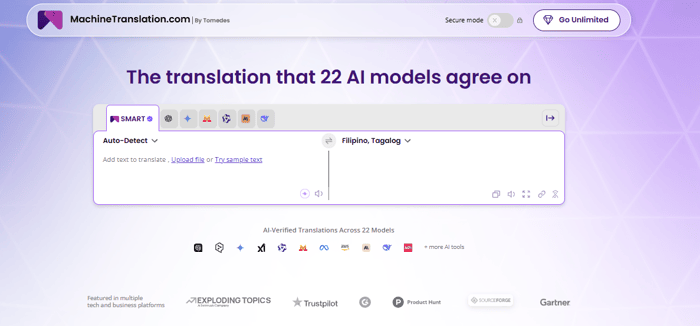
Most AI translators give you a single answer and expect you to trust it.
What I found interesting about MachineTranslation.com is that it approaches translation differently. Instead of relying on one model, it aggregates outputs from multiple AI translation engines and lets users compare them side-by-side. It also provides AI-based quality estimates to help identify which version might be the strongest.
That got me thinking about a broader question.
We're entering an era where "using AI" isn't enough anymore. Many products are starting to look more like orchestration layers that combine several models instead of betting everything on one.
Translation seems like a particularly interesting use case because there often isn't a single objectively correct answer. Tone, context, and cultural nuances can make one model perform better than another.
Some questions I'm curious about:
- Do you think multi-model systems will become the default approach for AI products?
- If you're building with LLMs, are you using one model or routing across several?
- Have you found that combining models produces better results than relying on a single provider?
- Where do you think the biggest opportunities are for "AI aggregators" versus companies building their own models?
Would love to hear what other founders and builders think.
Feels like we're moving from the "best model wins" era to the "best orchestration wins" era, but maybe I'm wrong.
