Maintaining open-source projects that millions use
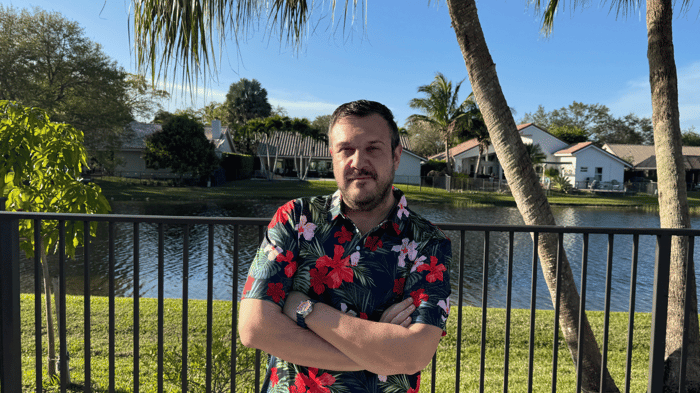
This story was originally published on Letters by Evernomic, a weekly publication for founders and investors where we write about what we’re learning from building and scaling companies across media and software. Subscribe here for the full versions every week.
Vladimir Kharlampidi is a solo developer in Miami. He built Swiper, an open-source touch slider library that runs on websites like TikTok, Samsung, Coca-Cola, and more. He also founded Framework7, an HTML-based mobile app framework, and commercial products like t0ggles and PaneFlow. Together they've been downloaded millions of times.
We talked about what it's actually like to maintain open source software that half the internet uses, why developers are the most brutal and most loyal audience at the same time, and how he eventually figured out the money part.
Let's start at the beginning. How did Swiper happen?
It was the early days of touch smartphones going mainstream. Everyone was building for mobile but nothing felt native. Everything was laggy and I wanted to challenge myself to build something that felt smooth, touch-first from day one. I put it out there and it just took off because everyone was dealing with the same problem.
There's a line people like to draw between open source as charity and open source as business. You've said it's neither. What is it then?
It's this weird in-between that nobody really talks about. You can build something used by millions of websites, be a core piece of the internet's infrastructure, and still have no obvious way to make money from it. That's the reality for most open source maintainers.
That's worth sitting with for a second. We tend to assume that if something is widely used, someone is making money from it. Open source breaks that assumption completely. The value it creates is enormous but it flows outward, to every company and developer using it, not back to the person who built it.
So when did the money question actually become real for you?
When I left my regular job and started working on my open source projects full time. That's when it hit me that I needed to figure out the commercial side. Before that, it was something I could afford to not think about.
And the route you took was interesting. You didn't try to monetize Swiper itself. You built separate commercial products.
Right. I introduced new commercial products that weren't directly tied to my existing open source work. That made a big difference. The community was fine with it. If I had gone the other direction and started putting paid licenses on Swiper or Framework7, that would probably be a very different story.
This is something a lot of open source maintainers wrestle with. The moment you put a price tag on something people have been using for free, it feels like a betrayal, even if it's completely rational. Vladimir sidestepped that entirely by keeping the open source work open and building new things to charge for. It's a cleaner separation, though it also means you're essentially running two tracks at once.
Swiper does also generate some revenue through sponsorships and donations. Brands pay to have their logo and a backlink on the Swiper site and GitHub repo. It's often an SEO play but it also generates good traffic for these brands. There are also donations from supporters but it's a far cry from what a product with millions of users would typically bring in.
It's worth noting that there are other ways to approach this too. A lot of companies today use open source as a deliberate business strategy. You release the core software for free so anyone can use it, build a large community of users around it, and then charge for a hosted or managed version so people don't have to deal with running it themselves. Wordpress, Ghost, Supabase and many others do this. The software is free and open source, but most people pay for a hassle-free version. The open source part isn't charity in those cases. It's the top of the funnel. It gets people in the door and the paid product is waiting right behind it.
Vladimir's path was different. Swiper was just a library he built and gave away. There was no hosted version to sell, no premium tier, no natural upsell. The commercial side came later and it came in the form of entirely different products.
What's the worst advice you received that you're glad you ignored?
When I started doing open source, a lot of people told me it was a waste of time. That it wouldn't go anywhere, that nobody would care, that I should focus on real work that actually pays. And honestly, on paper they weren't wrong. You're giving away your work for free with no guarantee anyone will even notice.
But I ignored all of that and just kept building. Swiper became one of the most used front-end libraries on the web. Framework7 gave thousands of developers a way to build mobile apps. That "useless work" ended up shaping how a big chunk of the internet handles touch interactions. It gave me a reputation, a community, and the foundation for everything I'm building now.
Part of this advice does sound responsible. Focus on what pays. Be practical. And for most things, it's probably right. But open source is one of those rare areas where giving your work away for free can compound in ways that no paycheck would have. Not always, and not for everyone, but the returns can be reputational, educational, and open other doors you don't even consider.
You've said developers are the hardest audience in the world. What makes them so difficult?
They'll tear apart your code on GitHub, they expect everything for free, and they'll switch to an alternative the second something shinier comes along. But if you earn their trust, if your thing actually works and you keep showing up, they become the most loyal users you'll ever have.
What does that loyalty actually look like? Are people contributing back, or is it more passive?
It's mostly that they keep using it and telling others. Swiper has been around for over a decade and it's still growing. That doesn't happen by itself.
You mentioned you thought every product you built after Swiper would take off the same way. That didn't happen.
No. After that kind of success, I thought I had the formula. Just build something good and people will come. I launched a few things over the years, fully confident, and some of them completely flopped. What I got wrong was thinking a great product is enough on its own. Timing matters, distribution matters, understanding exactly who you're building for matters. With Swiper the timing was perfect: smartphones were exploding and developers desperately needed what I built. With other things the product was solid but the market wasn't there, or I didn't know how to reach the right people.
Do you regret any of those?
Not at all. Every failed product taught me something I'm using now. Not in a cliche way but I'm way more intentional about who I'm building for, how I position things, how I think about growth. I'd rather launch ten things and have three succeed than sit around perfecting one idea that never ships.
Maintaining a project for that long, does it ever stop being fun?
For me it's always been mostly fun. I've gained a lot of experience and knowledge along the way, and new technologies keep emerging so it stays interesting. And I have loyal users and contributors who are supportive. Knowing your work is appreciated and used by that many people is a great feeling.
You work alone on all of this. What does that actually feel like?
From the outside it looks cool. Multiple products and millions of users, but the reality is you're one person making every single decision. Product, code, design, marketing, support, taxes, legal. There's no team to bounce ideas off, no one to cover for you when you're burned out. Some days you ship something amazing and nobody notices. Other days everything breaks at once and there's only you to fix it. It can be lonely and exhausting too.
But you wouldn't change it.
No. I get to build exactly what I want, move as fast as I want, and answer to nobody. That freedom is worth all the hard parts.
If none of this existed, what would you be doing instead?
Before I got into development I was completely addicted to making music. I could easily see a timeline where I ended up as a music producer. That same obsession with crafting something and tweaking it until it feels just right, it's the same energy, just a different output. Or a video game developer. Games combine code, design, storytelling, sound. It's THE creative product.
I could probably just get a regular job as a developer somewhere. But I know myself. I'd last about three months before going crazy. I need full ownership, I need to be able to follow my own ideas. I think no matter what, I'd end up making something of my own. The medium might change but the urge to build doesn't go away.
What's changed your workflow the most recently?
AI agents. Once I started seriously using them, not just chatting with them but actually building with them, my output multiplied. Things that used to take me a week I can do in a day. It's like having a small team without actually having a team. The realization was that it's not about replacing what I do but complementing me against things that may slow me down.
I get the same feeling I had when touch smartphones first appeared and everything had to be rethought. We're still so early with this.
That's it. You can find Vladimir @nolimits4web on X or GitHub.
Subscribe to Letters by Evernomic for more articles like this every week.

The separation of keeping open source free while building commercial products alongside it is the cleanest model. Trying to monetize something that's been free creates resentment even when it's completely justified — the community feels the contract changed.
Building commercial products that complement the open source work threads the needle. The open source maintains trust and distribution, the commercial side extracts value without breaking that trust.
respect for the open-source grind. maintaining something millions use is a different kind of pressure than building for zero users (which is where i'm at).
question for you — did the open-source community drive any commercial opportunities? i've been building python dev tools and wondering if open-sourcing them would actually help with distribution more than trying to sell on gumroad with no audience.
This was a great read.
That “value flows outward, not back” line about open source really stuck with me. Also love the separation between OSS and commercial products — feels like the cleanest way to do it.
Respect the consistency over a decade.
the burnout curve for open source maintainers is real. the hard part isnt writing the code, its the endless stream of issues, feature requests, and entitled users who treat you like a paid employee. respect for keeping it going. one thing that helped us was building paid versions alongside the free tools — the free version proves the tool works, the paid version funds continued development. most people are happy to pay when they see the free version actually delivers. sustainable open source needs a business model, not just goodwill.
the part about thinking every product after swiper would take off the same way is the most underrated insight in this whole interview. it's so easy to assume that once you've built something that worked you've figured out the formula, but swiper's success was basically pure market pull - developers needed it right when smartphones exploded and it was just there. that's not a repeatable playbook, that's timing plus being in the right niche. the real lesson is that distribution is a completely separate skill from building and most technical founders (myself included) learn that the hard way. his move to build separate commercial products instead of gating the open source stuff was smart too, keeps the community trust intact while still generating revenue. what's your take on whether the sponsorship/backlink model for open source is sustainable long term or just a stopgap?
The "open source is neither charity nor business" framing is spot on. It's a distribution moat that compounds over time — if you show up consistently.
Vladimir's journey with Swiper is a masterclass in this: solve a real problem, make it free, let adoption build your reputation, then monetize the ecosystem around it. The timing + distribution insight is underrated — even great tools die in obscurity without it.
We chose MIT-0 licensing for AnveVoice's embed SDK for exactly this reason. Our AI voice assistant lets any website add voice-driven DOM actions (clicks, fills forms, navigates pages) with one script tag. Open distribution builds trust faster than any sales deck.
The hardest part isn't the code — it's managing the community expectations while staying sane as a solo maintainer. Respect to anyone doing this at scale.
Loved this story – especially the idea that open source is neither pure charity nor a straightforward business, but a weird middle ground that can compound in reputation and opportunity if you just keep showing up. The part about timing + distribution mattering as much as product really hit home too.
This is an inspiring story — indie hackers and solo founders can learn a lot from Vladimir's journey. My key takeaway is that building a great product is just the beginning, not the end point of being a founder. What comes after — figuring out distribution, marketing, and timing — is what determines the difference between a product that fails and one that succeeds.
This piece perfectly captures how OSS value flows outward — millions benefit while the maintainer often carries the full burden alone. What I’ve seen time and again (from open‑source research and community discussions) is that the social dynamics around maintenance are as big a challenge as the technical ones: user support, triaging issues, and handling expectations can overwhelm even the most passionate solo maintainer unless you build clear contribution pathways and boundaries early.
My hot take: if you want this to scale without burning out, consciously treat maintainership as community leadership, not just coding — label issues for newcomers, build governance docs, and set clear maintainership expectations. That’s the only way a library used at internet scale survives long term. Thoughts?
Wow, this is such an inspiring story!
I love how Vladimir balanced massive open source impact with building separate commercial products it really shows that giving away value doesn’t mean giving up on making a living. Also, the part about developers being brutal but loyal hits hard; it’s true that if you earn that trust, it lasts.
The way he compares open source creation to music or games really puts the mindset into perspective it’s about ownership, obsession, and crafting something that matters, not just the paycheck.
And the AI bit at the end is multiplying output without losing creative control is exactly the kind of modern workflow we all should be thinking about.
The point about AI agents compressing team-level output into solo capacity is the most underrated shift happening right now. What took a team of 4 two years ago is increasingly a one-person operation with the right stack.
Also interesting that he monetized through separate commercial products rather than paywalling the core library. That's the move that preserves community trust while still building a real business — the two goals don't have to conflict, they just need different containers.
The "success isn't repeatable" lesson is the one founders hate hearing but almost universally experience. Timing and distribution beat quality more often than people admit.
the "just build something good and people will come" trap is so real. we built 21 dev tools and templates, put them all on gumroad, and genuinely believed the quality would speak for itself. six weeks later, $0 revenue. turns out quality is table stakes and distribution is the actual game.
the part about launching 10 things and having 3 succeed vs perfecting one thing forever is exactly the approach we're taking now too. we threw a bunch of products at the wall — seo analyzer, speed checker, cold email templates, budget planners, dev cheat sheets (search vemtrac on gumroad). most get zero traction but you learn faster from 10 small experiments than one big bet.
the ai agents multiplying output is real too. we're a 1-person operation shipping at a pace that would've required 3-4 people two years ago. the tooling compression is wild.
This really resonated. The part about value flowing outward but not back to the builder is something I think about a lot, even outside of open source. I'm a solo dev building mobile apps and the dynamic is similar in a way. You pour months into something, users get value from it immediately, but capturing even a fraction of that value yourself is a whole separate challenge.
The fact that he kept going for years before figuring out the commercial side says a lot about his conviction. Most people (myself included sometimes) want the money question answered before they even ship v1. There's probably a lesson in that about just building something genuinely useful first and trusting the rest will follow.
This article nails the open-source monetization challenge. As someone who's seen several projects try to cross that chasm, Vladimir's approach of building separate commercial products, rather than trying to monetize the core OSS directly, is spot on. It maintains trust with the community, which is crucial.
I've watched projects fail when they try to put the genie back in the bottle by paywalling features users are accustomed to getting for free. The "top of the funnel" strategy for enterprises works, but for an individual maintainer, separation is cleaner. It's a pragmatic path when you're shouldering the infrastructure burden yourself.
This was a really insightful read. The point about open source being this “in-between” where value spreads outward but doesn’t always come back to the creator really stood out. Also interesting how Swiper’s success wasn’t just about the product being good, but timing and distribution lining up perfectly.
The part about developers being both the toughest and most loyal audience is very real too—if something genuinely works, people stick with it for years.
Appreciate you sharing this, especially the honest perspective on what it actually takes to build and sustain something long-term.
The part about "I thought I had the formula" after Swiper's success is something I don't see talked about enough. First-time success is dangerous because you attribute it to skill when a huge chunk of it was timing and market gap. I had something similar — built a small npm package that got decent traction during a specific framework transition, then assumed my next three projects would do the same. They didn't.
Vladimir's approach of keeping OSS free and building separate commercial products is the cleanest playbook I've seen. The open-core model (free core, paid cloud/enterprise) works too but it creates this constant tension where users feel like features are being held back. Separate products avoid that entirely — you're just a person who also makes other things.
The solo maintainer reality is rough though. I maintained a mid-sized library for about two years and the hardest part wasn't the code, it was the emotional weight of GitHub issues. People filing bugs like you owe them something, demanding features with zero context on your constraints. You can't just turn it off either because real people depend on it. Vladimir saying he finds it "mostly fun" after a decade tells me he's either incredibly resilient or has gotten very good at setting boundaries. Probably both.
the part about developers being the most brutal and most loyal users hit. I tried contributing to a small OSS project once and the feedback was... unfiltered. Swiper running on TikTok and Samsung with one guy maintaining it is kind of wild when you think about it. what does the monetization side look like for him? always curious how OSS maintainers at that scale actually make it sustainable
The separation between "free OSS core" and "separate commercial product" is the pattern that actually works at scale. Every time I've seen someone try to retrofit monetization onto an existing OSS project, the community backlash erases whatever revenue it generates.
Kharlampidi's point about timing is underrated too. Swiper hit when mobile-first was the new default but tooling hadn't caught up. That 6-12 month window where the need exists but the ecosystem hasn't standardized is where OSS projects get their gravity.
The part about thinking every next product would take off the same way hit hard. That assumption is so easy to make after one success. I'm running an AI business as a solo operator and the biggest lesson so far is that a solid product means nothing without distribution. Vladimir nailed it — timing and knowing exactly who you're building for matters more than how good the code is. The AI agents point at the end is interesting too. Solo builders using AI tooling can now ship at a pace that used to require a small team, which changes the economics of maintaining something long-term.
This is so real — I have seen the same thing: open source gives you reach and trust, but not always money directly. The smart move is using that trust to build something people are actually willing to pay for later.
The licensing decision is the part that resonates most. We went MIT-0 with AnveVoice (voice AI for websites) — which is even more permissive than MIT. The reasoning was similar to Vladimir's: if you're building infrastructure that sits inside other people's products, the more friction you add to adoption, the fewer people use it. Open source isn't charity, but it's also not a business model on its own. It's a distribution strategy.
Vladimir's approach of keeping the open source work free and building separate commercial products on top is smart. We're doing something similar — the core embed is free, the commercial layer (analytics, custom branding, priority support) is where the business lives. Trying to retroactively monetize something people have been using for free almost always backfires.
The AI agents point at the end is huge. We're seeing the same thing — AI tooling has compressed what used to take a small team into something a solo founder can ship. That's a massive unlock for open source maintainers who are already stretched thin.
Curious what licensing model the people reading this have chosen and why. MIT vs Apache vs GPL — the choice says a lot about how you think about distribution vs control.
This was a really interesting read — especially the part about value flowing outward in open source.
It actually feels very similar to what I’m seeing (in a totally different space). I’ve been talking to small restaurant owners, and they rely heavily on spreadsheets to track food costs — tons of manual work, but the “value” of fixing it isn’t always captured unless something breaks.
The part that stood out most was:
“just build something good and people will come” not being true
I think a lot of us learn that the hard way. Distribution + timing seems to matter way more than we expect early on.
Curious — for something like Swiper, do you think it was mostly timing (mobile explosion), or was there also something about how/where it got discovered early that helped it take off?
Millions of Swiper installs and a decade of developer trust, but do those developers actually become customers for t0ggles and PaneFlow? Or is the open-source reputation just a resume line that doesn't convert into commercial revenue?
The bit about thinking Swiper's success was replicable really lands. "Build something good and people will come" is such a natural conclusion to draw after one thing takes off, and it's usually wrong the second time. Vladimir's point about timing and knowing who you're building for matters more than the product quality itself is something that takes most people years to properly internalize. The commercial separation approach is smart too — keeping open source free while building adjacent paid products avoids the trust problem entirely.
Really relatable. I think many builders focus too much on building instead of validating the idea early.
I’m trying to work on something similar in the HR space and focusing more on solving real problems now.
Great insights!
HR space is a tough one to validate early because so many buyers have budget but move slowly. Sounds like you're already asking the right questions though. What problem specifically are you trying to solve — something in hiring, performance, or somewhere else?