Marine Cargo Insurance Policy Comparison in Singapore
Introduction
Choosing the right Marine Cargo Insurance Policy is an important step for businesses involved in importing and exporting goods. Comparing policies before purchasing helps you understand the differences in coverage, exclusions, claims procedures, and pricing, allowing you to select protection that fits your shipping needs.
Not every policy offers the same level of coverage. Some provide comprehensive protection for a wide range of transit risks, while others cover only specific events. Understanding these differences can help you make a more informed decision.
In this guide, we'll compare key policy features, explain what marine cargo insurance typically covers, and share practical tips to help you choose the right policy for your business in Singapore.
Key Takeaways
Comparing policies helps you choose better protection instead of focusing only on price.
Coverage, exclusions, claims process, and policy limits should always be reviewed carefully.
Different businesses need different policy types based on cargo value and shipping frequency.
Understanding Incoterms and responsibilities helps avoid coverage gaps.
Why Comparing Marine Cargo Insurance Policies Matters
Not every Marine Cargo Insurance Policy offers the same level of protection. Coverage, policy limits, exclusions, claims support, and premiums can vary significantly, making it important to compare your options before purchasing.
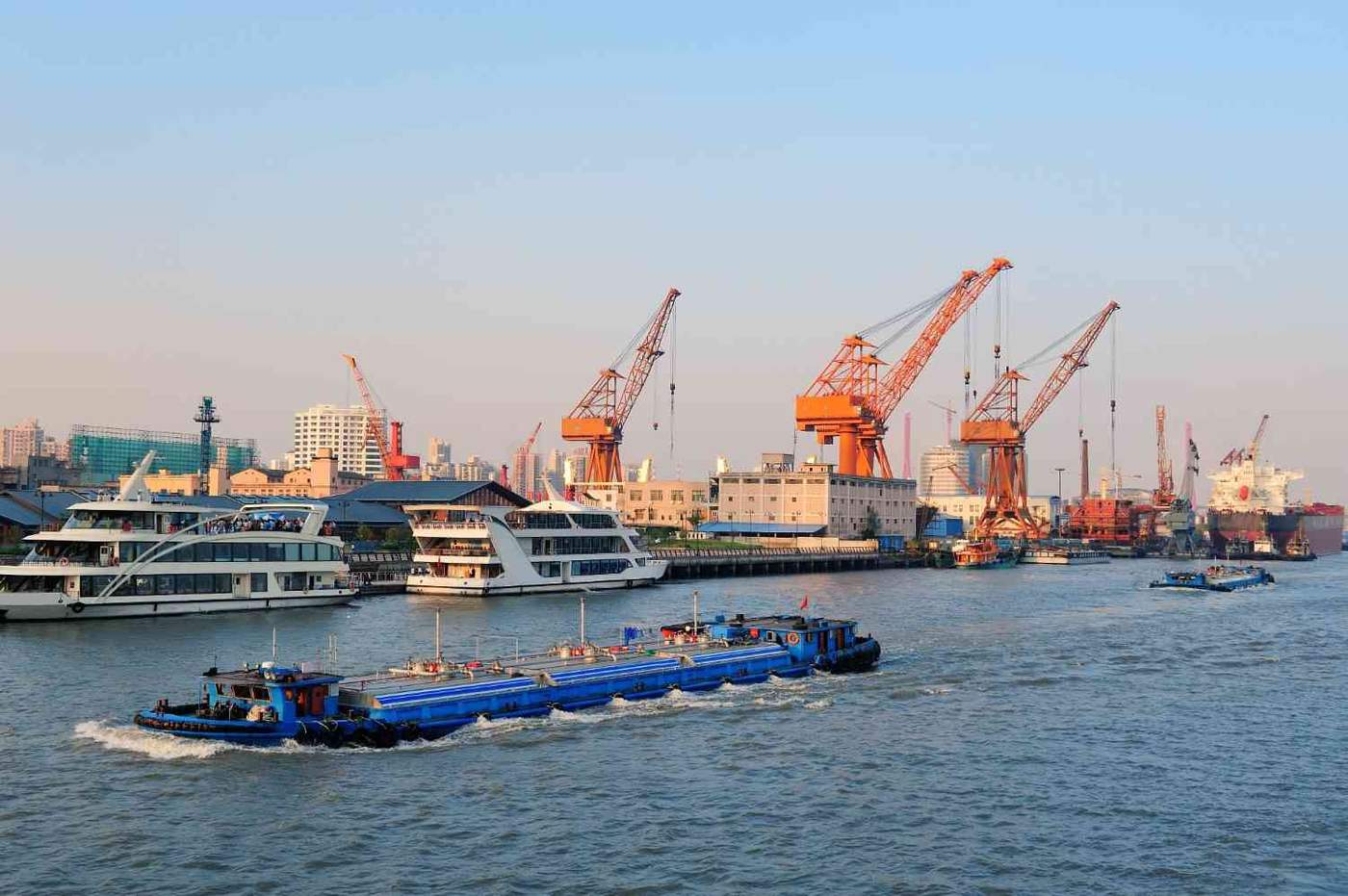
As one of the world's busiest shipping and logistics hubs, Singapore handles millions of tonnes of cargo every year. Businesses involved in international trade face risks such as cargo damage, theft, weather-related incidents, and handling errors during transit.
Choosing the right policy helps reduce these financial risks and ensures your shipments are better protected.
Key Features to Compare in a Marine Cargo Insurance Policy
Comparing a Marine Cargo Insurance Policy involves more than looking at the premium. Reviewing the features below can help you choose coverage that matches your shipping requirements and risk profile.
1):- Coverage Scope
Check which transit risks the policy covers, such as cargo damage, theft, fire, rough weather, and accidental loss. Broader coverage generally provides better protection.
2):- Coverage Limits
Review the sum insured and maximum payout available under the policy. Your coverage should reflect the actual value of your shipments.
3):- Policy Exclusions
Read the exclusions carefully to understand which losses are not covered. This helps prevent unexpected claim rejections.
4):- Claims Process
Compare how each insurer manages claims, including the required documents, claim timelines, and settlement process.
5):- Premium and Pricing Factors
Insurance premiums vary based on cargo value, shipment type, destination, transportation mode, and coverage level. Compare the overall value, not just the cost.
6):- Customer Support
Choose a provider that offers responsive customer service and claims assistance. Reliable support can make the insurance process much smoother when issues arise.
What Does Marine Cargo Insurance Typically Cover?
A Marine Cargo Insurance Policy helps protect shipments against a range of risks that may occur during transit. While coverage depends on the policy, the following protections are commonly included.
1):- Cargo Damage
Covers physical damage to goods caused by accidents during transportation, loading, unloading, or handling.
2):- Theft
Provides protection if insured cargo is stolen while in transit, subject to the policy terms.
3):- Fire
Covers losses resulting from fire that damages or destroys the cargo during transportation.
4):- Rough Weather
Protects against damage caused by storms, heavy seas, strong winds, and other severe weather conditions.
5):- Vessel Collision
Covers insured losses resulting from collisions involving the carrying vessel or transport vehicle.
6):- General Average
Provides coverage when cargo owners are required to contribute to shared emergency expenses incurred to protect a vessel and its cargo.
7):- Loading and Unloading Damage
Covers accidental damage that occurs while cargo is being loaded onto or unloaded from a transport vehicle, depending on the policy terms.
Common Exclusions You Should Know
While a Marine Cargo Insurance Policy provides protection against many transit risks, there are also certain exclusions you should be aware of before purchasing a policy.
1):- Improper Packing
Losses caused by insufficient or incorrect packaging are usually not covered, as proper packing is the shipper’s responsibility.
2):- Ordinary Wear and Tear
Normal deterioration or gradual damage to goods during transit is generally excluded from coverage.
3):- Delay-Related Losses
Financial losses caused only by shipping delays are typically not covered unless specifically included in the policy.
4):- Inherent Vice
Damage resulting from the natural characteristics of the cargo, such as spoilage or self-deterioration, is usually excluded.
5):- Intentional Damage
Any loss caused by fraud, negligence, or intentional acts by the insured is not covered.
6):- Uninsured Risks
Events or risks not listed in the policy terms are excluded and will not be eligible for claims.
Marine Cargo Insurance Policy Options in Singapore
Different insurers in Singapore offer various types of Marine Cargo Insurance Policies, each designed to suit different shipping needs, cargo types, and trade volumes. Below is a comparison of commonly available options.
1):- CargoInsurePro
CargoInsurePro provides flexible marine cargo insurance in Singapore tailored for businesses managing international shipments across sea, air, and land routes. The focus is on adaptable coverage that can be aligned with different cargo types, shipment values, and trade routes.
Coverage Highlights
Comprehensive cargo insurance for international shipments
Sea, air, and land transport coverage options
Freight forwarder liability protection
Flexible policy structures based on business needs
Dedicated claims support and assistance
Best Suited For:
Importers, exporters, distributors, and logistics companies that require adaptable coverage for regular cross-border shipments.
2):- AIG Singapore
AIG Singapore offers marine cargo insurance backed by a strong global insurance network, making it suitable for businesses with complex or high-volume international shipping needs. Its policies focus on broad protection and structured claims support.
Coverage Highlights
International cargo protection across major trade routes
Coverage for a wide range of commercial goods
Global claims handling support
Risk management services for businesses
Best Suited For:
Companies with established international supply chains requiring consistent global insurance coverage.
3):- Chubb Singapore
Chubb Singapore provides marine cargo insurance solutions supported by its international presence and underwriting expertise. Its policies are designed to manage risks across different shipping environments and industries.
Coverage Highlights
Protection for goods during international transit
Coverage for multiple transportation modes
Risk assessment and advisory support
Global claims network
Best Suited For:
Businesses handling high-value or complex shipments across multiple countries.
4):- MSIG Singapore
MSIG Singapore offers marine cargo insurance policies designed to support importers and exporters with flexible coverage options. It focuses on balancing protection with practical business needs for regular shipping operations.
Coverage Highlights
Cargo protection for domestic and international shipments
Flexible policy options for different cargo types
Claims assistance and processing support
Coverage for commercial trade goods
Best Suited For:
Importers, exporters, and SMEs with consistent shipping requirements.
5):- Tokio Marine Singapore
Tokio Marine Singapore provides marine cargo insurance backed by strong underwriting capabilities and international experience. Its policies are designed to support businesses engaged in frequent global trade activities.
Coverage Highlights
Coverage for sea, air, and land freight
Protection against common transit risks
Claims management support
International insurance expertise
Best Suited For:
Businesses involved in regular international trade requiring reliable and structured cargo protection.
How to Select the Right Marine Cargo Insurance Policy
Selecting the right Marine Cargo Insurance Policy Singapore depends on your shipping needs, cargo type, and business operations. Comparing policies based on the factors below can help you make a more informed decision.
1):- Cargo Type
Different goods carry different levels of risk. Select a coverage that provides adequate protection for your particular cargo.
2):- Shipment Value
Ensure your insured value matches the actual worth of your goods to avoid underinsurance during claims.
3):- Shipping Frequency
Businesses that ship regularly may benefit from annual policies, while occasional shippers may prefer single transit coverage.
4):- Incoterms
Understand your shipping terms to determine who is responsible for arranging insurance during transit.
5):- Coverage Limits
Review policy limits carefully to ensure they align with your risk exposure and shipment value.
6):- Claims Process
A simple and transparent claims process can save time and reduce stress during unexpected incidents.
7):- Provider Experience
Choose insurers with strong experience in international shipping to ensure smoother handling of complex logistics and claims.
Common Mistakes Businesses Make
When choosing a Marine Cargo Insurance Policy, businesses often make avoidable mistakes that can lead to insufficient coverage or claim issues. You can make a better choice if you are aware of these.
1):- Choosing the Cheapest Policy
Focusing only on price can lead to limited coverage. A lower premium may not fully protect your cargo against major transit risks.
2):- Ignoring Policy Exclusions
Many claims are rejected because businesses overlook exclusions. Before buying an insurance policy, always check what is not covered.
3):- Underinsuring Cargo
Declaring a lower cargo value than actual can reduce your claim payout, leading to financial loss during damage or theft.
4):- Selecting the Wrong Policy Type
Using a single transit policy for regular shipments can become inefficient and costly over time compared to annual coverage.
5):- Not Reviewing Claims Process
A complicated claims process can delay settlements and disrupt business operations during critical shipping incidents.
Also Read: What to Do If Your Marine Cargo Insurance Claim in Singapore Gets Rejected
Frequently Asked Questions
Q1):- How do I compare marine cargo insurance policies?
Ans:- Compare marine cargo insurance policies by reviewing coverage, exclusions, claims process, pricing, and policy limits. Select the one that most closely aligns with your company requirements and shipment risks.
Q2):- What type of marine cargo insurance offers the highest level of protection?
Ans:- All Risk coverage generally offers the broadest protection. It covers most transit risks unless specifically excluded in the policy terms, making it suitable for high-value or sensitive shipments.
Q3):- How is the price of marine cargo insurance determined in Singapore?
Ans:- Marine cargo insurance costs vary based on cargo value, shipment type, destination, and coverage level. Most insurers provide customized quotes depending on the specific risk and shipping requirements.
Q4):- What should I look for in a marine cargo insurance policy?
Ans:- Look for adequate coverage, clear exclusions, a simple claims process, fair pricing, and an insurer experienced in international shipping and cargo risk management.
Conclusion
To protect your company from unexpected shipping dangers, it is crucial to compare marine cargo insurance policies before making a purchase. Since coverage, exclusions, and claims processes vary between policies, taking time to evaluate each option can help you choose more reliable protection.
Instead of focusing only on price, businesses should assess coverage scope, policy limits, and insurer experience to ensure better long-term value. The right policy helps reduce financial risks and supports smoother international shipping operations.
If you're looking for flexible cargo insurance solutions in Singapore, CargoInsurePro offers coverage designed to support businesses involved in global trade.

