Mastering Technical SEO & Core Web Vitals: A Bootstrapped Founder’s Guide to Organic Growth in 2026
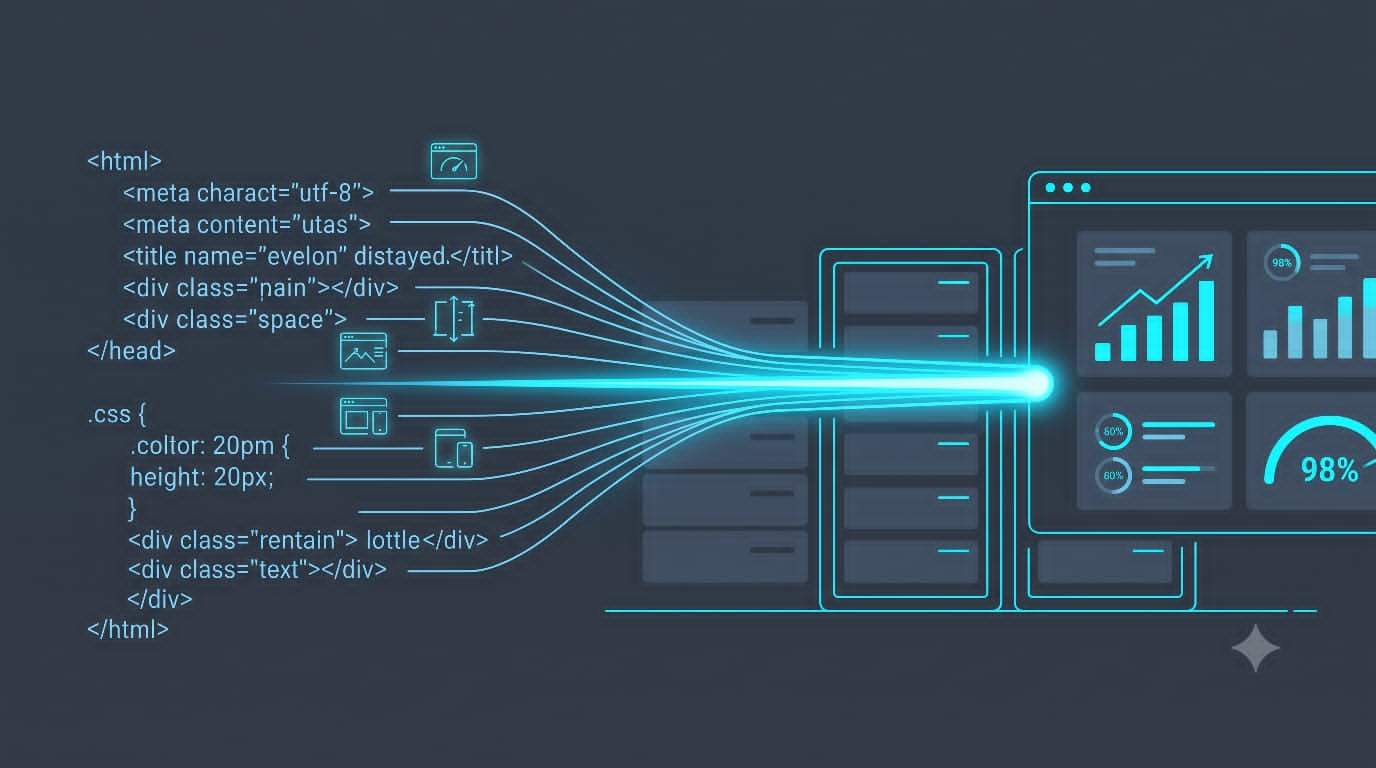
Building a great product is only half the battle in modern digital business. Whether you are launching a SaaS platform, an e-commerce store, or a B2B service portal, your organic visibility determines your customer acquisition cost (CAC) and long-term viability. For bootstrapped founders and digital teams operating on lean budgets, search engine optimization remains the most sustainable organic acquisition channel available.
However, the SEO landscape has undergone massive shifts. The era of churning out generic content and relying on low-quality backlinks is long gone. Modern search engines demand technical precision, clean code, rapid load times, and genuine user value. If your site’s underlying architecture is flawed, even the most compelling copy will struggle to reach page one of Google or gain citations in AI-driven search models.
In this guide, we will break down the essential components of technical SEO, explore why site performance directly impacts your bottom line, and lay out an actionable optimization framework designed for modern web environments.
1. Why Technical Infrastructure is the Foundation of Search Success
Many founders make the mistake of jumping straight into keyword research and content creation before validating their website's technical health. Think of technical SEO as the foundation of a house. If your foundation is unstable, adding more stories on top will eventually lead to a collapse.
Search engine crawlers rely on efficient site structures to discover, render, and index your content. When a crawler encounters excessive JavaScript bundles, broken redirects, or bloated page builders, it consumes more server resources and crawling budget. As a result, your newest pages take longer to get indexed, and existing rankings can fluctuate unpredictably.
To build a sustainable search presence, you need a holistic approach that connects clean development practices with strategic optimization. Engaging in a structured technical SEO audit ensures that every architectural bottleneck—from render-blocking scripts to improper canonical tags—is identified and resolved before launch. Teams like seohype.de emphasize that stripping away unnecessary bloat is often the fastest way to unlock immediate ranking improvements without rewriting your entire content library.
2. Core Web Vitals & Performance: The Unforgiving Ranking Signals
Page speed is no longer just a technical metric for developers—it is a critical business metric. Google’s Core Web Vitals metrics evaluate the real-world user experience of your pages across three primary pillars:
Largest Contentful Paint (LCP)
LCP measures perceived loading speed. It marks the point in the page load timeline when the main content has likely loaded. A fast LCP reassures the user that the page is actually useful.
Good Threshold: ≤ 2.5 seconds
Common Culprits: Unoptimized hero images, slow server response times (TTFB), and render-blocking CSS/JS.
Interaction to Next Paint (INP)
INP assesses overall page responsiveness by measuring the latency of all user interactions (clicks, taps, keypresses) throughout a page visit.
Good Threshold: ≤ 200 milliseconds
Common Culprits: Heavy JavaScript execution on the main thread, unoptimized event listeners, and complex layout recalculations.
Cumulative Layout Shift (CLS)
CLS measures visual stability. Have you ever tried to click a button on a mobile site, only for the layout to jump down and force you to click an ad instead? That is a poor CLS score.
Good Threshold: ≤ 0.1
Common Culprits: Images without specified dimensions, dynamically injected content (like cookie banners), and web fonts causing FOIT/FOUT.
3. The Page Builder Trap: Moving Toward Minimalist Web Architecture
A significant trend among digital creators over the past few years has been the reliance on visual drag-and-drop page builders. While tools like Elementor or heavy visual builders offer rapid prototyping benefits, they often inject thousands of lines of redundant DOM elements, unoptimized CSS sheets, and heavy scripts into your codebase.
When every page on your site loads multiple heavy libraries just to display a simple headline and CTA, your Core Web Vitals will inevitably suffer.
Standard Visual Builder Stack:
[User Request] ➔ [Heavy Database Queries] ➔ [Multiple CSS/JS Bundles] ➔ [Slow Render (LCP > 3.5s)]
Optimized Static/Clean Architecture:
[User Request] ➔ [Optimized Asset Pipeline] ➔ [Critical Path CSS Only] ➔ [Instant Render (LCP < 1.2s)]
The Fix: Code Sanitization & Static Conversion
If you want to dominate competitive search landscapes, consider auditing your frontend stack:
Prune Unused Scripts: Dequeue plugins and third-party tracking pixels that are no longer strictly necessary.
Dimension Your Assets: Always specify explicit
widthandheightattributes on image tags and video containers to eliminate layout shifts.Adopt Modern Frameworks or Static HTML: Where possible, migrating core landing pages to lightweight HTML/CSS structures or optimized headless CMS setups can reduce payload sizes by over 70%.
4. Crawlability, Indexation, and AI Search Preparation (GEO)
Technical SEO is not limited to speed. How search bots and modern Large Language Models (LLMs) parse your data dictates whether your brand gets featured in rich snippets or AI-generated search overviews.
Structured Data & Schema Markup
Schema markup acts as a direct translation layer between your web content and search engines. By implementing JSON-LD schema (such as Organization, Product, Article, or FAQPage), you provide explicit context about your business entities.
Why it matters for AI Search (GEO): Generative engines prioritize structured, verifiable information. Having clean JSON-LD makes it significantly easier for AI bots to summarize your offerings accurately.
Logical URL & Internal Linking Architecture
Maintain a shallow site hierarchy. A good rule of thumb is that any critical product page or high-converting article should be reachable within three clicks from the homepage.
Use descriptive, keyword-rich subfolders (e.g.,
/services/technical-seo/instead of/?p=142).Utilize contextual internal anchor text to pass authority from high-performing blog posts directly to commercial landing pages.
5. Actionable 5-Step Technical SEO Checklist for Founders
To help you audit your own setup today, here is a concise checklist to run through:
Audit Mobile Performance First: Test your site using Google PageSpeed Insights on a simulated mid-tier mobile connection. Mobile indexation is the primary index.
Optimize Image Delivery: Convert legacy PNG/JPEG files to modern formats like AVIF or WebP. Implement responsive
srcsetattributes so mobile devices do not download desktop-resolution assets.Fix Broken Chains: Scan your site for internal 301 redirect chains and 404 errors. Every unnecessary redirect wastes crawl budget and adds latency.
Implement Critical CSS: Inline the essential CSS required to render above-the-fold content, and defer remaining non-critical styles until after initial paint.
Monitor Search Console Regularly: Keep a close eye on the Coverage and Core Web Vitals reports within Google Search Console to catch indexing regressions early.
Final Thoughts
Achieving sustainable organic growth in 2026 requires balancing exceptional content with an uncompromising technical foundation. By stripping away digital bloat, enforcing strict performance budgets, and optimizing for both traditional crawlers and modern AI search models, you position your brand to outrank competitors who rely solely on legacy tactics.
Focus on speed, structure, and user experience—your search rankings and conversion rates will reflect the effort.

