Medical Grade Tubing: Key Features, Benefits, and Applications
Introduction
Medical tubing is an important part of many healthcare products and medical devices. It helps move fluids, gases, medicines, and other materials safely from one place to another. Because these tubes are used in sensitive medical settings, they must meet strict quality and safety requirements.
Medical grade tubing is designed for applications where cleanliness, flexibility, strength, and reliability are important. Among the different types available, medical silicone tubing is widely used because silicone offers excellent flexibility, durability, and resistance to heat and chemicals.
This article explains the main features, benefits, types, and applications of medical tubing. It also explains why choosing the right material is important for medical and healthcare applications.
What Is Medical Grade Tubing?
Medical grade tubing is tubing made from materials that are suitable for use in medical and healthcare environments. It is designed to perform reliably while meeting the requirements of the application.
Depending on the intended use, medical tubing can be made from silicone, PVC, polyurethane, thermoplastic elastomers, and other specialized materials. Each material has different properties.
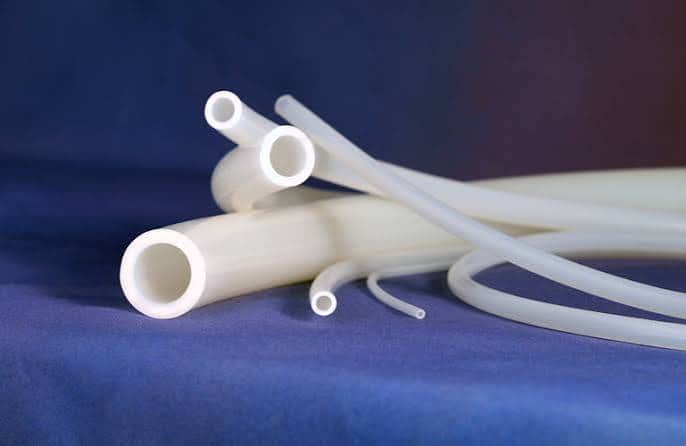
A medical silicone tube, for example, is made from silicone that is selected for its flexibility, temperature resistance, and ability to maintain performance over time. Silicone tubing can also be produced in different sizes, wall thicknesses, and shapes to meet specific device requirements.
Key Features of Medical Grade Tubing
1. High Flexibility
Flexibility is one of the most important features of medical tubing. Tubes often need to bend around equipment or fit into compact medical devices.
Silicone is naturally flexible, allowing a medical silicone tube to bend without easily cracking or losing its shape. This makes it useful in applications where smooth movement and easy handling are required.
2. Excellent Temperature Resistance
Medical equipment may be exposed to different temperatures during use, cleaning, or sterilization. High-quality tubing should maintain its performance under these conditions.
Medical silicone tubing is known for its strong temperature resistance. It can remain flexible across a wide temperature range, depending on its specific formulation and design.
3. Good Chemical Resistance
Medical environments can involve medicines, cleaning agents, and other chemicals. Tubing must be able to handle contact with these substances without quickly breaking down.
Silicone has good resistance to many chemicals, making it a useful choice for various healthcare and laboratory applications.
4. Smooth Inner Surface
A smooth inner surface helps fluids move through tubing efficiently. It can also reduce areas where material may collect.
Manufacturers can produce medical tubing with carefully controlled internal surfaces. This feature is especially useful in systems that require consistent fluid movement.
5. Durability
Medical devices may need to work for long periods. Tubing must be strong enough to handle regular use, bending, and pressure according to the application.
High-quality medical grade tubing is designed with durability in mind. The correct tubing material and wall thickness can help improve product life and reliability.
6. Custom Sizes and Designs
Medical tubing is not limited to one standard size. Manufacturers can produce tubing with different inner diameters, outer diameters, wall thicknesses, lengths, and shapes.
This allows engineers and medical device manufacturers to select tubing that fits their exact design requirements.
Benefits of Medical Silicone Tubing
Medical silicone tubing offers several benefits for healthcare and medical device manufacturers.
One major benefit is its flexibility. Silicone can bend easily, which makes it suitable for devices with limited space or moving parts.
Another benefit is its ability to handle temperature changes. This can be helpful when equipment needs cleaning or sterilization using approved processes.
Silicone is also known for its durability and long service life when the correct grade is selected. It can maintain useful physical properties over time and can be produced with different levels of hardness.
Another advantage is its wide range of possible designs. A medical silicone tube can be made in small or large sizes depending on the needs of the device.
Common Applications of Medical Grade Tubing
1. Medical Devices
Medical tubing is used in many types of medical equipment. It can help transport air, fluids, or other materials within a device.
Examples include fluid management systems, respiratory equipment, pumps, and other specialized medical devices.
2. Laboratory Equipment
Laboratories use tubing for transferring liquids, gases, and other materials. The tubing must be compatible with the substances being handled.
Silicone tubing can be useful in laboratory systems where flexibility and temperature resistance are important.
3. Pharmaceutical Processing
Pharmaceutical manufacturing requires clean and reliable components. Tubing may be used to move liquids and other process materials.
The correct medical grade tubing can support safe and controlled fluid transfer when it is selected and used according to the process requirements.
4. Fluid Management Systems
Fluid management is an important part of many healthcare applications. Tubing can connect different components and help move liquids through a system.
The correct tube size is important because it can affect flow rate, pressure, and overall system performance.
5. Respiratory Applications
Some medical equipment uses tubing to move air or gases. Flexible tubing can make equipment easier to position and use.
Medical silicone tubing may be selected for certain respiratory applications because of its flexibility and temperature resistance. However, the exact material must always match the device's regulatory and performance requirements.
How to Choose the Right Medical Tubing
Choosing the right tubing requires more than simply selecting a tube based on size. Several factors should be considered.
First, identify what will flow through the tube. The fluid, gas, medicine, or other material can affect the choice of tubing material.
Next, consider temperature. If the tube will face high or low temperatures, select a material designed to perform under those conditions.
Pressure is another important factor. Tubing used in pressurized systems must have suitable strength and wall thickness.
Flexibility should also be considered. If the tube needs to bend frequently, a flexible material may be a better choice.
Finally, consider cleaning, sterilization, regulatory needs, and the expected service life. A qualified manufacturer can help select the correct medical grade tubing for a specific application.
Why Quality Matters
Quality is extremely important when tubing is used in medical applications. Poor-quality tubing may fail, become damaged, or perform differently than expected.
Reliable manufacturers use controlled production processes and appropriate testing to help ensure that their tubing meets the required specifications.
Buyers should review product specifications, material information, testing data, and application requirements before selecting a product. The right tubing can help improve the reliability and performance of the final medical device.
Conclusion
Medical grade tubing plays an important role in modern healthcare, laboratories, pharmaceutical processing, and medical devices. It provides a reliable way to move fluids and gases while supporting the design and operation of many different systems.
Medical silicone tubing is a popular option because of its flexibility, temperature resistance, durability, and wide range of possible designs. A properly selected medical silicone tube can provide dependable performance when it is designed and used for the correct application.
When choosing medical tubing, factors such as material compatibility, size, pressure, temperature, flexibility, sterilization, and quality should always be considered. By selecting the right tubing and working with a trusted manufacturer, businesses can improve the safety, reliability, and performance of their medical products.

