Most Reddit advice comes from people who never got banned. Mine comes from getting banned 6 times.
TITLE: Most Reddit advice comes from people who never got banned. Mine comes from getting banned 6 times.
CONTENT:
Every Reddit marketing guide is written by someone who got lucky once.
They posted. It worked. They never got banned. So they teach what worked for them.
That advice kills everyone else.
Why lucky people give bad advice
Person who never got banned: "Just be authentic and helpful."
Great. I was authentic and helpful on account three. Banned in 8 days.
Person who never got banned: "Build karma first."
Cool. Built 500 karma on account five. Banned on first product mention.
Person who never got banned: "Follow the subreddit rules."
I followed every written rule. Still got banned four times.
Their advice worked for them because they got lucky with timing, subreddit choice, or account age
They don't know what actually matters because they never had to learn it the hard way.
What 6 bans taught me
Small subreddits under 100k are 10x safer than big ones (every guide says go big)
Account age matters more than karma (every guide says build karma first)
Posting consistently gets you flagged as a bot (every guide says be consistent)
Rest periods keep you alive (no guide mentions this)
Commenting builds more trust than posting (guides focus on posting)
The expensive education
Four months. Six dead accounts. One product that died because I couldn't reach people.
But I learned what actually works. Not what worked once for someone who got lucky.
Built MediaFast from real failures
After account seven survived, I realized my 6 bans were worth something.
They taught me the actual system. Not the lucky-once system.
So I built MediaFast
What it actually does:
Analyzes which subreddits are safe for your specific niche (not generic "big sub" advice)
Shows you posting frequency that won't trigger bans per subreddit (based on what actually survives, not theory)
Builds 30-day roadmaps with exact timing - when to post, when to comment, when to rest
Maps account behavior patterns that keep you alive (irregular timing, rest periods, comment ratios)
Tells you how long to wait based on account age (45 days, not the 7 days guides recommend)
Includes subreddit-specific strategies (r/SideProject works differently than r/Entrepreneur)
How it helps:
You enter your niche. MediaFast finds 5-10 subreddits where your product type actually survives.
It generates a calendar. Not "post daily" generic advice. Specific dates and times with gaps built in.
Shows you what to post where. Some subreddits want stories. Some want questions. Some only respond to comments.
Keeps you under the radar. No spam patterns. No bot-like consistency. Just human behavior that survives.
The difference:
Most tools tell you WHAT to post. MediaFast tells you WHERE, WHEN, and HOW OFTEN based on what actually kept me alive after 6 failures.
Where it's at:
Launched February 10, 2025.
Month 1: $360 (12 people who were stuck like I was)
Month 12: $5,400 (185 people who were tired of advice from lucky people)
The truth:
I'd rather learn from someone who failed 6 times and figured it out than someone who succeeded once and got lucky.
My 6 bans cost me 4 months and a product. But they taught me the real system.
MediaFast is that system
Advice from failures beats advice from luck.
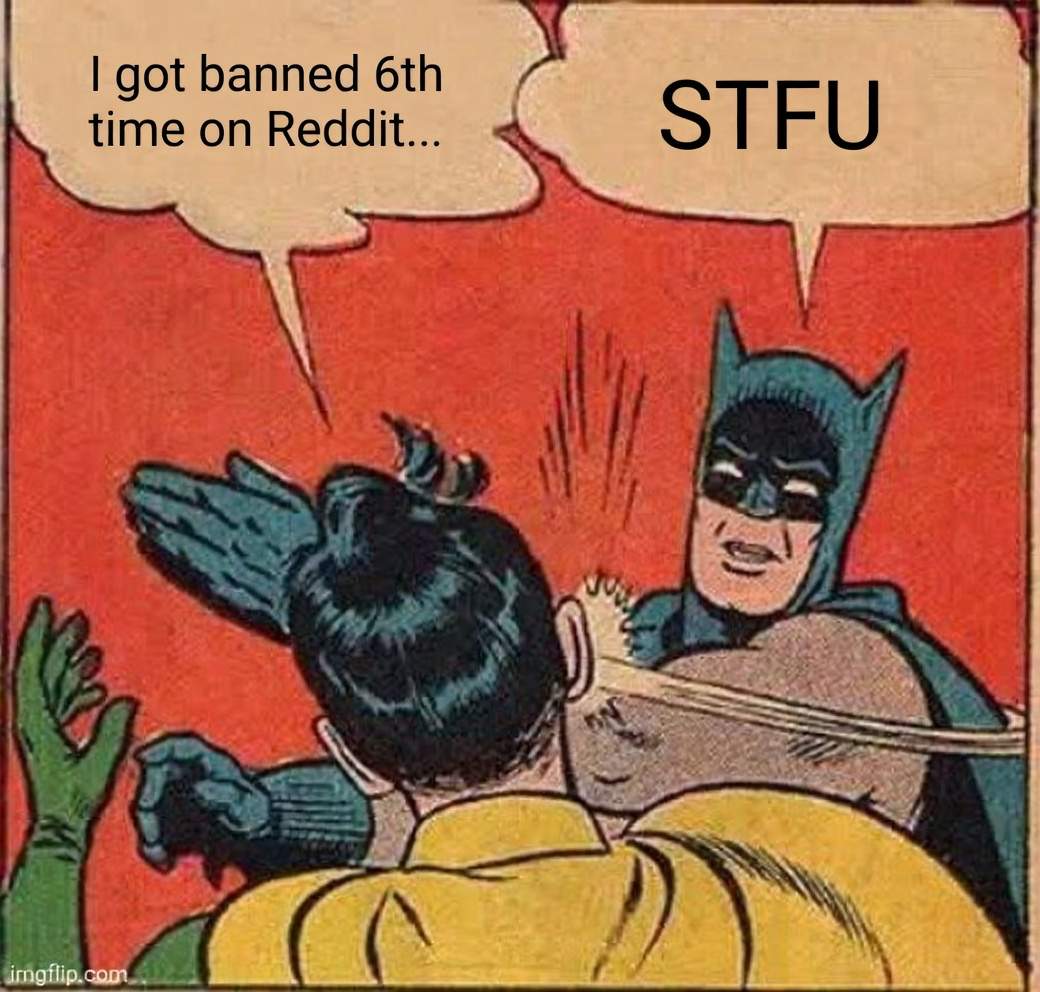


Getting banned is the ultimate "Red Pill" moment for any founder.
Most people treat platform rules like laws of nature, but they’re just arbitrary constraints by digital landlords. After my Medium account vanished into thin air this week, I realized that "playing nice" is just a slow way to lose.
The only way to win is to stop optimizing for their survival and start architecting your own. I stopped caring about "staying" on platforms and started focusing on Extraction Infrastructure.
Use the platforms for the heat they provide, but build your house on land they can't touch. Once you stop fearing the ban, you actually start building a business.
This reminds me of how sometimes the best hitters in baseball make the worst batting coaches (i.e., Barry Bonds). You can't teach winning the genetic lottery (and in Barry's case, steroids).
The observation about consistency being a spam signal is counterintuitive but makes total sense in hindsight. Real human behavior is messy and irregular — you post when something reminds you to, not because it's 9am on a Tuesday. Most Reddit marketing guides optimize for memorability and habit, which accidentally makes you look automated. The account age + dormancy insight is particularly valuable. Six months of account history with low activity genuinely looks different to spam detection than six months of heavy activity, even though both "built karma." Appreciate that this was learned through actual failure rather than reverse-engineered from theory.
Congratulations on the first step! 🏛️🛰️
Most first-time SaaS founders drown in thoughts about features. They forget that Architecture is Destiny. 🧬
My $10k/mo "Too Native" engine didn't focus on what to build next, but on where to build. I refuse to pay the Algorithm Tax on my conversion.
Visual Trust (85mm Aesthetics): Stop the noise. Quiet Luxury is the new Authority.
Anatomy-Effect: Frictionless conversion.
The Bunker: Moving my flow into a system platforms can't nuke. ⛩️
Manage the ideas, but architect the system. Good luck! #BuildTheBunker"
Interestingly, we just decided to give up on Reddit for a while after getting banned again for no reason :D
This is honestly one of the most refreshing takes on Reddit marketing I’ve read here. The point about “advice from lucky people” hits hard — a lot of strategies sound good on paper but completely fall apart when you actually try to scale them.
The insight about account behavior patterns and rest periods is especially interesting. Most guides oversimplify Reddit as just “post + add value,” but clearly there’s a deeper layer around timing and activity signals that people ignore.
Also appreciate how you turned repeated failures into something structured instead of just quitting — that’s where the real learning usually comes from.
Curious — did you notice any difference in survival rates between niche-specific subreddits vs broader startup/entrepreneur ones, or was it mostly about behavior patterns regardless of niche?
I got banned before, too, and the usual “be helpful” advice didn’t really help. Feels like Reddit cares more about behavior patterns than just good content.
Learned the hard way, smaller subs + commenting first makes a huge difference
the consistency = bot flagging one is brutal. literally every "build an audience" guide tells you the thing that gets you banned
good luck
Thanks!!
The karma-first advice is what gets most people. Everyone says build karma like it's some magic shield — but you found out the same thing I suspect a lot of us did, that moderators and spam filters don't actually care how many upvotes you have on old posts. Account age and behavior patterns making more sense intuitively too — a real person doesn't post on a schedule, they post when they have something to say.
AI...
exactly, I noticed that too